
Restoring Interior Climate Control When Systems Fail
Facing unpredicted weather extremes can take a heavy toll on your HVAC equipment, often causing breakdowns exactly when temperature regulation is most critical for your safety and comfort. Jims Air Systems employs certified technicians ready to address any mechanical failure, ensuring your environment remains stable regardless of outside conditions. Contact our dispatch team immediately to schedule an emergency diagnostic or view financing options for urgent repairs:
- Rapid response team available for emergency services within hours to prevent prolonged discomfort.
- Flexible financing options to manage unexpected mechanical expenses smoothly without draining savings.
- Comprehensive warranties that secure your investment and guarantee the longevity of the repair.
All services are performed under state-compliant regulations—with no hidden fees or surprise upcharges.
Diagnostic Scope and Immediate Service Protocols
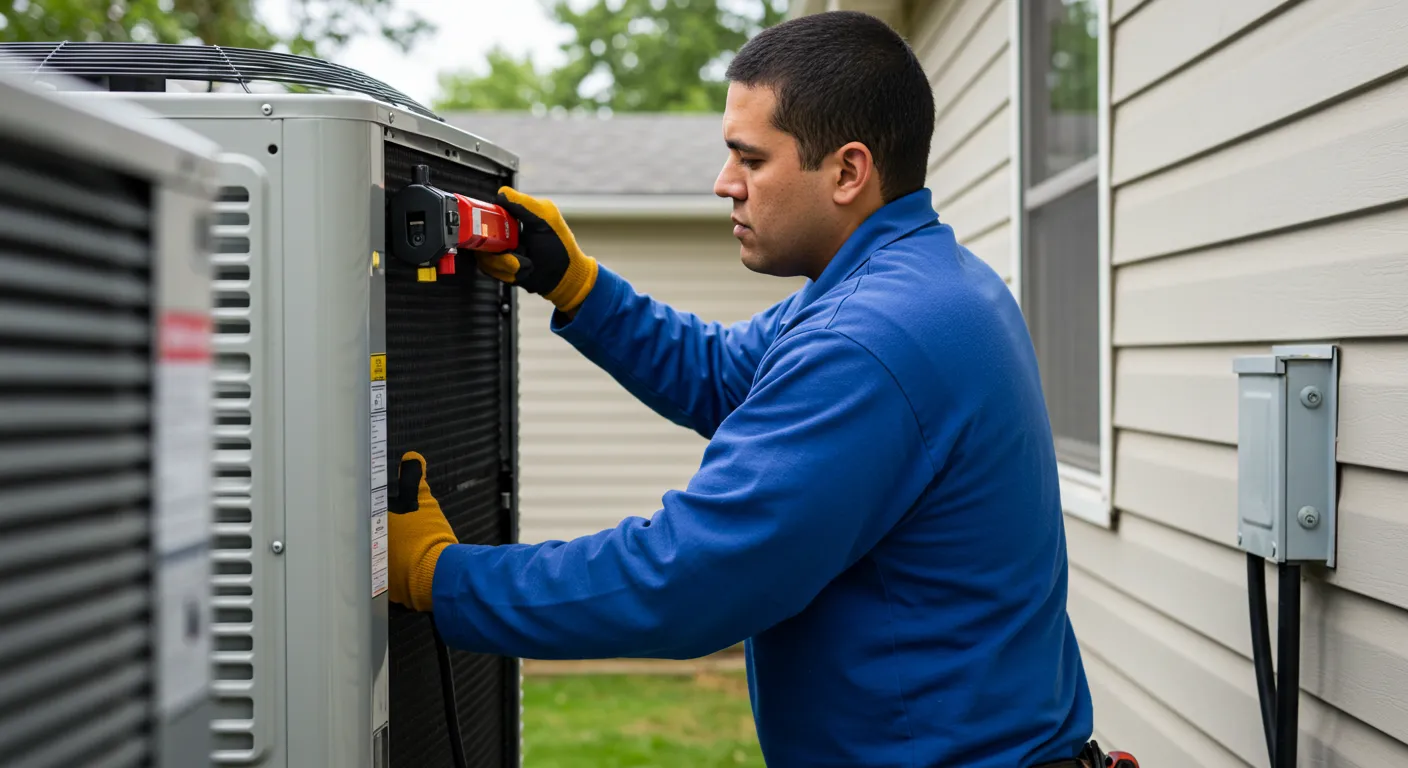
When an air conditioning or heating unit fails, the priority is identifying the root cause accurately to prevent recurring issues. A cursory glance is never enough to guarantee long-term performance. Professional service begins with a comprehensive system diagnostic that goes beyond the obvious symptoms. Technicians arrive in fully stocked service vehicles, equipped with the most common parts required for AC repair and HVAC service, aiming to resolve the issue in a single visit whenever possible.
The diagnostic phase involves a systematic evaluation of the entire climate control infrastructure. This includes:
- Electrical Component Analysis: Testing capacitors, contactors, and relays to ensure voltage is being distributed correctly. Electrical failures are the leading cause of system shutdowns, often triggered by power surges or wear and tear.
- Refrigerant Level Verification: Measuring superheat and subcooling levels to detect leaks. Low refrigerant indicates a breach in the closed-loop system, which must be sealed before recharging to comply with environmental regulations.
- Airflow and Static Pressure Testing: Inspecting ductwork, filters, and blower motors. Restricted airflow freezes evaporator coils in the summer and overheats heat exchangers in the winter, leading to catastrophic component failure.
- Safety Control Inspection: Verifying that limit switches, pressure switches, and flame sensors are functioning. These controls prevent the unit from operating under dangerous conditions that could damage the property or pose fire risks.
- Thermostat Calibration: Ensuring the interface communicating with the HVAC unit is reading ambient temperatures accurately and cycling the equipment correctly.
Once the assessment is complete, you receive a clear, written explanation of the failure point and a transparent quote for the repair. This eliminates ambiguity and allows you to make an informed decision based on the mechanical reality of your system.
The Repair and Restoration Process
Understanding the workflow of a professional HVAC service call reduces the stress associated with system downtime. The process is designed to be efficient, respectful of your property, and technically thorough. From the moment a technician arrives at your location, specific protocols are followed to ensure the job is done right:
- Site Protection and Preparation:
- Technicians wear shoe covers and use drop cloths to protect flooring and surrounding areas from debris or dirt.
- The workspace around the indoor and outdoor units is cleared to ensure safe access for tools and equipment.
- Power to the unit is safely disconnected to prevent electrical hazards during the repair.
- Component Replacement and Repair:
- Faulty parts are removed and replaced with OEM (Original Equipment Manufacturer) or high-quality equivalent components that match the system’s specifications.
- Wiring connections are tightened and secured to prevent future vibration-induced loosening.
- If a refrigerant leak is detected, the technician locates the source using electronic leak detectors or dye tests, brazes the line set to seal the hole, and then recharges the system to factory specifications.
- System Testing and Validation:
- The unit is restarted and monitored through a full cycle to ensure it reaches the target temperature.
- Technicians measure the temperature split (the difference between supply and return air) to verify cooling or heating efficiency.
- Amperage draw on motors and compressors is recorded to ensure the unit is not working harder than necessary, which would increase utility bills.
- Final Walkthrough and Cleanup:
- All old parts, packaging, and debris are removed from the premises.
- The technician explains exactly what work was performed, demonstrates the functioning system, and offers maintenance tips to prevent future breakdowns.
- Service records are updated to maintain the history of the unit, which is vital for warranty claims and future resale value.
Deciding Between Repair and System Replacement
Homeowners often face a difficult financial decision when an aging HVAC system breaks down: is it better to pay for another repair or invest in a new unit? Making this decision requires analyzing the age of the unit, the cost of the repair, and the efficiency of the current technology. Emotional decisions can lead to throwing good money after bad, while data-driven decisions save money in the long run.
Use the following guidelines to determine the most cost-effective path:
- The 50% Rule:
- If the cost of the repair approaches or exceeds 50% of the value of the system (or the cost of a new unit), replacement is generally the smarter financial move. Large expenses like compressor replacements or heat exchanger failures on older units rarely justify the investment.
- The Age of the Equipment:
- Air conditioners and heat pumps generally last 10 to 15 years, while furnaces may last 15 to 20 years. If your unit is approaching or has surpassed this age range, a major breakdown is usually a sign that other components are also near the end of their lifespan.
- Units older than 10 years often use R-22 refrigerant (Freon), which has been phased out. Repairs involving R-22 are exorbitantly expensive due to scarcity. Upgrading to a system that uses R-410A or newer refrigerants is often more economical.
- Frequency of Breakdowns:
- If the system has required multiple repairs within the last two years, it has likely become unreliable. The cumulative cost of frequent service calls often outweighs the monthly payments on a new, high-efficiency system.
- Energy Efficiency Considerations:
- Older units likely have a SEER (Seasonal Energy Efficiency Ratio) rating of 10 or 12. Modern standards require minimum SEER2 ratings that are significantly higher.
- upgrading to a high-efficiency unit can reduce monthly energy bills by 20% to 40%, helping the new system pay for itself over time.
- New systems often solve comfort issues like uneven cooling, high humidity, or noisy operation that repairs on old units cannot fix.
Jims Air Systems provides honest assessments regarding the life expectancy of your current equipment. If a repair acts merely as a temporary patch on a dying system, the technician will present the data so you can choose the best long-term solution for your budget.
Regional Considerations and Operational Efficiency
HVAC requirements are dictated by the local climate and infrastructure. Equipment that performs well in a mild climate may struggle in areas with extreme seasonal shifts. Understanding local factors helps in maintaining system health and ensuring compliance with regulations:
- Permitting and Code Compliance:
- Major HVAC repairs and replacements often require permits from local municipalities to ensure safety standards are met. This includes verifying breaker sizes, wire gauges, and gas line connections.
- Professional providers handle the acquisition of these permits and coordinate necessary inspections, ensuring homeowners are not liable for code violations.
- Seasonal Demand and Preparation:
- In regions with high summer humidity and heat, the load on the AC compressor is intense. Neglecting pre-season maintenance in the spring can lead to mid-summer failures when wait times for service are longest.
- Conversely, areas with freezing winters require furnaces to be checked for carbon monoxide leaks and proper venting before the first freeze. Heat exchangers can crack due to the expansion and contraction caused by extreme temperature fluctuations.
- Utility Rebates and Incentives:
- Many local utility providers offer rebates for upgrading to energy-efficient equipment or for performing specific maintenance tasks that reduce load on the grid.
- Certified technicians can identify which repairs or upgrades qualify for these financial incentives, helping to offset the cost of service.
- Ductwork and Insulation:
- Local building standards regarding insulation affect how hard your HVAC system has to work. Leaky ductwork in an attic or crawlspace can result in a 30% loss of conditioned air.
- Part of a comprehensive service includes checking that the distribution system (ducts) matches the capacity of the mechanical system. Mismatched systems lead to short-cycling and premature failure.
Technical Certifications and Service Guarantees
The quality of the repair is directly dependent on the skill level of the technician performing it. Modern HVAC systems are complex machines integrating advanced electronics, high-pressure refrigerants, and combustible fuels. Trusting these systems to uncertified handymen poses safety risks and voids manufacturer warranties.
Professional service is defined by specific credentials and operational standards:
- NATE Certification:
- North American Technician Excellence (NATE) certification is the gold standard in the industry. It verifies that a technician has passed rigorous testing on real-world working knowledge of HVAC systems.
- Hiring NATE-certified professionals ensures the diagnosis is accurate and the repair adheres to industry best practices.
- Manufacturer Authorization:
- Warranty claims are often contingent on proof that the service was performed by a licensed professional. Authorized dealers have access to proprietary technical support and genuine parts that generic services do not.
- Using aftermarket parts can sometimes reduce efficiency or cause compatibility issues. Authorized service providers stick to the manufacturer’s engineering specifications.
- Insurance and Liability:
- Reputable service providers carry liability insurance and workers' compensation. This protects the homeowner from financial liability in the event of an accident or damage to the property during the repair process.
- Background checks and drug testing for all field personnel provide peace of mind regarding who is entering your home.
- Workmanship Warranties:
- Beyond the manufacturer’s warranty on parts, high-quality service companies offer a warranty on their labor. If the specific repair fails within a set period (often one year), the company returns to fix it at no charge.
- This guarantee shifts the risk from the homeowner to the service provider, incentivizing the technician to perform the repair correctly the first time.
When your climate control system falters, the goal is to return your home to a state of comfort with speed and precision. By focusing on technical accuracy, transparent communication, and long-term reliability, Jims Air Systems ensures that your heating and cooling infrastructure serves your needs efficiently.
Restore Comfort Fast with Trusted Emergency HVAC Experts
When your heating or cooling system fails, every minute matters. Jims Air Systems is ready to respond with certified technicians, rapid dispatch, and proven solutions that restore comfort without delay. From emergency diagnostics to long-term system repairs, our team delivers transparent pricing, flexible financing, and workmanship backed by strong warranties—all performed under strict state-compliant standards. Don’t let an unexpected breakdown disrupt your home or business. Call Jims Air Systems today to schedule immediate service, protect your investment, and regain reliable indoor comfort with a team you can trust to do it right the first time.

Your Trusted Local AC Experts
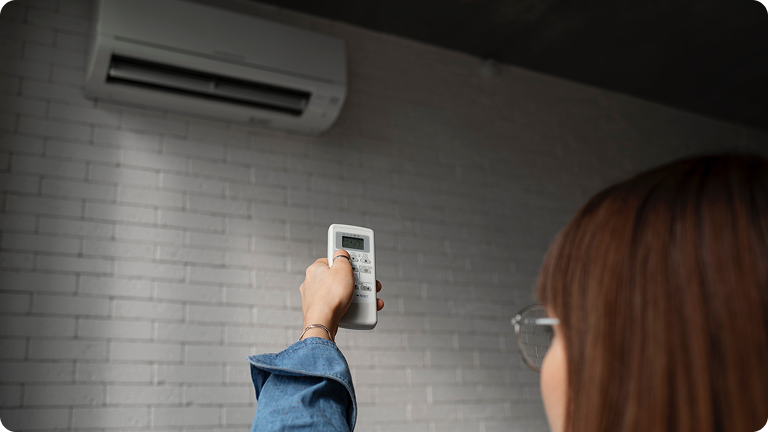
When the summer heat hits, you need an air conditioning system you can rely on. At Jim's Air Systems, we specialize in keeping your home cool and comfortable. Whether you need an emergency repair, a seasonal tune-up, or a brand new high-efficiency air conditioner, our family is here to help.
Our Air Conditioning Services include

AC Repair
We service all makes and models, quickly diagnosing and fixing any issue.
AC Installation & Replacement
Get a perfectly sized, high-efficiency system with our owner-led design and installation process.
AC Maintenance
Prevent breakdowns and improve efficiency with our comprehensive AC tune-ups.
Signs You Needs AC Service
.svg)
Ready for a Cooler, More Comfortable Home?
Whether you need an emergency repair or a free estimate on a new, energy-efficient air conditioner, our family is ready to provide honest advice and expert service. Contact us today!