
Is Your Heating System Failing to Keep Your Home Warm?
Navigating through Danville's chilly, wet winters without a reliable heating system creates immediate discomfort and safety concerns for your household. Whether you are dealing with a complete furnace breakdown or an inefficient system that drives up utility costs, you need a solution that restores warmth immediately. Contact us today to schedule a diagnostic visit or inquire about available financing options to restore your comfort:
- Service availability within 24 hours to ensure your home returns to a safe temperature quickly.
- Transparent pricing structures provided through clear, free online estimates before work begins.
- Top-rated local technicians trained to handle everything from emergency repairs to complex installations.
All services are fully licensed and come with extended warranties to provide long-term peace of mind.
Immediate Heating Solutions Available Today
When your heat goes out, waiting days for a technician is not an option. We provide comprehensive heating services designed to address the root cause of the failure rather than just applying a bandage to the symptom. In Danville, where winter temperatures frequently dip into the 50s and 60s with significant rainfall, a functioning heater is essential for moisture control and comfort.
Our service scope covers the full lifecycle of your heating equipment. Upon arrival, a technician performs a multi-point inspection to identify why the system is not reaching the set temperature. This includes checking the heat exchanger for cracks, testing the ignition system, and verifying that the blower motor is moving air efficiently.
You can expect the following during a standard service call:
- Rapid Diagnostics: Technicians utilize advanced testing gear to pinpoint electrical faults, gas flow issues, or airflow restrictions within minutes of arrival.
- Same-Day Repairs: Trucks are stocked with common parts such as flame sensors, igniters, capacitors, and control boards to resolve most issues in a single visit.
- System Calibration: Beyond simple repairs, the system is calibrated to ensure the thermostat reading matches the actual room temperature, eliminating cold spots.
- Safety Inspections: Every service call includes a carbon monoxide check and a gas leak inspection to ensure the unit is operating safely within the home.

The Installation and Replacement Process
If a repair is not feasible or the unit is too old to salvage, a systematic replacement process ensures the new unit operates at peak efficiency. Improper installation is the leading cause of early system failure, which is why adherence to manufacturer specifications is critical.
The replacement process follows a strict protocol to ensure quality:
- Load Calculation: Before any equipment is selected, a Manual J load calculation is performed. This determines the exact heating capacity required based on the square footage, insulation levels, and window orientation of the property. Oversized units cycle too frequently, while undersized units run constantly without heating the home.
- Site Preparation: The existing workspace is prepped to protect flooring and surrounding areas. Old equipment is disconnected from gas and electrical lines safely.
- Ductwork Assessment: Existing ductwork is inspected for leaks or disconnects. Connecting a high-efficiency furnace to leaky ducts wastes energy. Necessary modifications are made to the plenum or transition pieces to ensure airtight airflow.
- Equipment Installation: The new furnace or heat pump is leveled and secured. Flue pipes are installed to ensure proper venting of combustion gases outside the home, adhering to local building codes.
- Commissioning: Once installed, the system is not just turned on; it is commissioned. This involves measuring static pressure, adjusting gas pressure at the manifold, and testing the temperature rise to ensure it falls within the manufacturer's specified range.
- Final Walkthrough: The technician demonstrates how to operate the new thermostat, how to change the filter, and reviews warranty registration details.
Deciding Between Repair and Replacement
Homeowners often struggle to decide whether to invest in another repair or purchase a new system. Making the right financial decision requires analyzing the age of the unit, the cost of the repair, and future energy savings.
Industry standards and financial logic suggest specific thresholds for replacement:
- The $5,000 Rule: Multiply the age of your equipment by the estimated cost of the repair. If the total exceeds $5,000, replacement is generally the smarter financial move. For example, a 15-year-old furnace requiring a $400 repair ($6,000 total) is a candidate for replacement, whereas a 5-year-old unit with the same repair cost ($2,000 total) should be repaired.
- System Age: Most gas furnaces last between 15 and 20 years, while heat pumps typically last 10 to 15 years. If your unit is approaching or has surpassed these milestones, parts availability becomes scarce, and major component failures (like heat exchangers) become imminent.
- Efficiency Ratings: Older units often operate at 60% to 70% AFUE (Annual Fuel Utilization Efficiency). Modern units are required to be much higher, often exceeding 90% AFUE. Upgrading from an old pilot-light furnace to a modern high-efficiency unit can lower monthly heating bills significantly, offsetting the cost of installation over time.
- Frequency of Breakdowns: If you have required repairs more than twice in the last two years, the system is becoming unreliable. Jims Air Systems can help evaluate the long-term cost of keeping a "lemon" running versus the stability of a new system.
- Comfort Issues: If certain rooms are always cold, or the air feels dry and dusty despite filter changes, the current system may no longer be capable of distributing heat effectively across the home.
Local Factors Impacting Your Heating Performance
Operating a heating system in this region requires attention to specific environmental and regulatory factors. The climate here is characterized by hot, dry summers and mild, wet winters. While freezing temperatures are rare, the moisture and humidity during the winter months can affect how a heating system performs and how the home retains heat:
- Humidity and Heat Perception: The significant rainfall in winter adds humidity to the air. Heating systems not only warm the air but also help regulate indoor humidity. If a system is short-cycling, it may not run long enough to dry out the air, leading to a clammy feeling indoors even when the thermostat is set to a warm temperature.
- Permitting and Codes: Replacing a furnace or heat pump involves permitted work. Local regulations require that all installations meet current Title 24 energy standards and safety codes. This often includes requirements for duct testing and verifying that gas lines are sized correctly for the new appliance. Professional providers handle the acquisition of these permits and schedule the necessary municipal inspections to ensure the work is compliant and the homeowner is not liable for code violations.
- PG&E Considerations: Local utility rates impact the choice between gas furnaces and electric heat pumps. With fluctuating energy costs, selecting a system with the right efficiency rating (SEER2 and HSPF2) is vital for keeping monthly operational costs manageable in this specific utility territory.
- Drainage Requirements: High-efficiency condensing furnaces produce condensate (water) as a byproduct of combustion. In local basements or crawl spaces, proper drainage or condensate pumps must be installed to prevent water damage, especially during the rainy season when groundwater levels may be higher.
Why Professional Service Ensures Longevity
Attempting DIY repairs or hiring unlicensed contractors for heating work poses significant safety risks. Modern heating systems involve high-voltage electricity, combustible gases, and potential exposure to carbon monoxide. Professional intervention ensures that these systems are handled with the requisite safety protocols:
- Carbon Monoxide Safety: A cracked heat exchanger or a blocked flue vent can leak deadly carbon monoxide into the living space. Technicians use calibrated combustion analyzers to detect invisible leaks that home detectors might miss.
- Warranty Preservation: Manufacturers explicitly state that warranties are void if the equipment is not installed or serviced by a licensed professional. Professional documentation proves that the system has been maintained according to specifications, protecting the homeowner's investment if a major part fails later.
- Correct Sizing: A "rule of thumb" approach to sizing a heater often results in inefficiency. Professionals use software and calculations based on the building envelope to ensure the unit is sized exactly right for the square footage and thermal characteristics of the house.
- Electrical Safety: Loose connections or improper wiring can lead to component failure or fire hazards. Certified technicians ensure all wiring meets the National Electrical Code requirements.
Troubleshooting Common Heating Issues
Before scheduling a service call, understanding the symptoms can help expedite the diagnosis. While professional repair is usually required, observing specific behaviors helps the technician arrive prepared:
- Blowing Cold Air: If the vents are blowing cold air, check the thermostat setting to ensure it is set to "Heat" and the fan is set to "Auto" rather than "On." If the settings are correct, this usually indicates an issue with the pilot light, ignition sensor, or a limit switch that has tripped due to overheating.
- Loud Noises: Banging, screeching, or rattling sounds are not normal. A squeal often indicates a slipped belt or a failing motor bearing. A banging sound (hydro-static shock) can occur if there is delayed ignition or issues with duct expansion.
- Short Cycling: If the heater turns on and off every few minutes, it is short cycling. This is often caused by a clogged air filter restricting airflow, causing the heat exchanger to overheat and trigger the safety shutoff. It can also result from an oversized unit or a malfunctioning thermostat.
- Uneven Heating: If the upstairs is hot while the downstairs is freezing, it points to ductwork issues or an unbalanced system. Zoning systems or damper adjustments may be required to rectify airflow distribution.
- Unusual Smells: A burning smell is common when the heater is first turned on for the season as dust burns off the elements. However, if the smell persists or smells like rotten eggs (gas) or burning plastic (electrical), the system should be shut down immediately.
Why Choose Us
- Fast, Reliable Service: We offer 24-hour emergency availability to ensure your home stays warm and safe, even during Danville’s wet, chilly winters.
- Transparent Pricing: Clear, upfront estimates mean no surprises—know exactly what you’re paying before work begins.
- Expert Technicians: Our top-rated local professionals are trained to handle everything from emergency repairs to complex installations.
- Licensed & Warrantied: All services are fully licensed, and our extended warranties provide long-term peace of mind.
- Comprehensive Solutions: From diagnostics and repairs to full system replacements, we address the root cause of heating problems for lasting comfort.
Scheduling Your Heating Service
Maintaining a comfortable home environment during the winter requires a heating partner who understands both the technical requirements of the equipment and the specific needs of the local housing stock. Whether you require an emergency repair on a stormy night, a routine seasonal tune-up to prevent breakdowns, or a full system replacement to improve energy efficiency, prompt action is key.
Do not let a malfunctioning heater compromise your safety or comfort. Secure your appointment for a comprehensive inspection or estimate. Jims Air Systems is ready to restore warmth to your home with efficiency and expertise.
Take the next step toward reliable home comfort. Click here to schedule your service or request an estimate now.
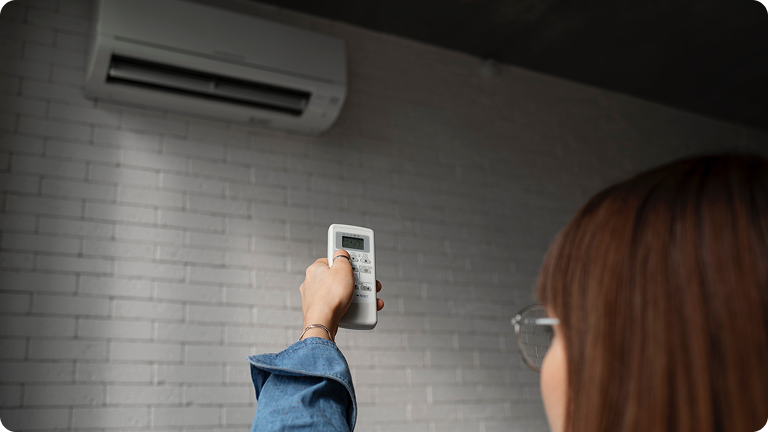

Your Trusted Local AC Experts
When the summer heat hits, you need an air conditioning system you can rely on. At Jim's Air Systems, we specialize in keeping your home cool and comfortable. Whether you need an emergency repair, a seasonal tune-up, or a brand new high-efficiency air conditioner, our family is here to help.
Our Air Conditioning Services include

AC Repair
We service all makes and models, quickly diagnosing and fixing any issue.
AC Installation & Replacement
Get a perfectly sized, high-efficiency system with our owner-led design and installation process.
AC Maintenance
Prevent breakdowns and improve efficiency with our comprehensive AC tune-ups.
Signs You Needs AC Service
.svg)
Ready for a Cooler, More Comfortable Home?
Whether you need an emergency repair or a free estimate on a new, energy-efficient air conditioner, our family is ready to provide honest advice and expert service. Contact us today!