
Restore Comfort and Efficiency to Your Cold Home Immediately
Experiencing sudden heating failures or inefficiencies can be distressing, especially when Newark’s damp winter nights drop temperatures significantly. You need a resolution that prioritizes your safety and restores warmth to your living space without unnecessary delays. Contact us today to schedule a diagnostic visit or inquire about available financing options for system upgrades.
When your heat goes out, waiting days for a technician is not an option. We provide rapid response times and thorough assessments to identify the root cause of the breakdown.
- Same-day service availability to restore your heating promptly.
- Skilled technicians ensuring quality repairs and energy efficiency.
- Transparent pricing structures provided upfront with no hidden costs.
- All services come with full licensing and comprehensive warranties for your peace of mind.
What You Can Expect From Your Heating Service Visit Today
When you request professional heating service, the primary goal is accurate diagnostics followed by an immediate, lasting solution. The appointment begins with a comprehensive evaluation of your entire heating infrastructure. This is not a quick visual check; it is a deep dive into the mechanical and electrical components of your furnace or heat pump. The technician arrives fully equipped with the necessary diagnostic tools to measure gas pressure, test voltage, and inspect airflow restrictions.
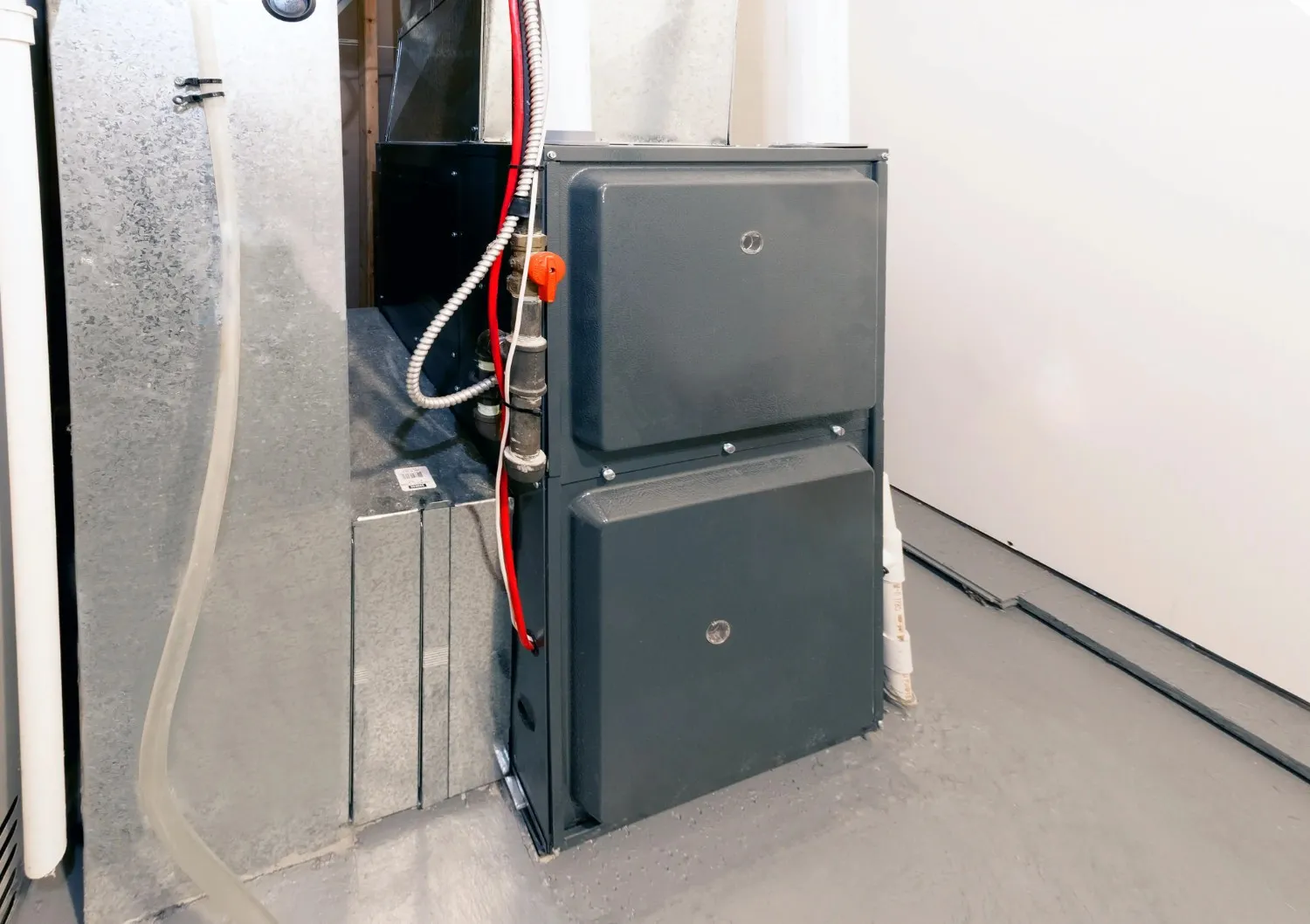
The scope of service covers the entire heating cycle. This includes checking the thermostat for calibration errors, inspecting the ignition system for faults, and ensuring the blower motor is operating at the correct RPM. In Newark, where humidity can fluctuate due to the bay climate, technicians also look for signs of moisture-related corrosion on electrical contacts or within the heat exchanger.
Upon completing the diagnosis, you receive a clear explanation of the issue. You will see exactly what part has failed, why it failed, and what options exist to fix it. This stage includes a breakdown of costs for parts and labor. You are never left guessing about the final bill. Once you approve the work, the repair process begins immediately using high-quality replacement parts designed to meet or exceed original manufacturer specifications.
How the Repair and Installation Process Works
Understanding the sequence of events during a heating service call eliminates uncertainty. Professional providers follow a strict protocol to ensure safety, efficiency, and respect for your property. The process is designed to be seamless, minimizing disruption to your daily routine while maximizing the performance of your HVAC system.
- Arrival and Setup: The technician calls ahead to confirm arrival. Upon entering your home, they use shoe covers and drop cloths to protect your flooring and keep the work area clean.
- System Isolation: Power and gas supplies to the heating unit are safely shut off to prevent accidents during the inspection and repair phase.
- Diagnostic Testing: Using multimeters, manometers, and combustion analyzers, the technician gathers data on how the system is performing against factory benchmarks.
- Problem Identification: The specific component causing the failure is isolated. This could range from a faulty ignitor or flame sensor to a cracked heat exchanger or a seized motor.
- Proposal and Approval: A detailed quote is presented. This document outlines the scope of work. No repairs start until you understand and authorize the service.
- Execution of Work: The technician performs the repair or installation. This involves removing defective parts, cleaning the surrounding assembly, and installing new components.
- Safety Validation: After the repair, the system is restarted. The technician checks for gas leaks, carbon monoxide emissions, and proper temperature rise to ensure safe operation.
- Final Walkthrough: You are shown the completed work. The technician explains what was done and provides tips on how to maintain the system to prevent future issues.
Deciding Between Repair and System Replacement
Homeowners often face the difficult choice of sinking money into an aging unit or investing in a new system. This decision requires a logical evaluation of costs, age, and performance. While Jims Air Systems focuses on extending the life of your current equipment whenever possible, there are mathematical and practical tipping points where replacement becomes the more financially sound option.
The Age Factor
Heating systems generally have a lifespan of 15 to 20 years. If your furnace or heat pump is approaching or exceeding this age range, parts become scarce and expensive. Even if a repair is possible, the likelihood of a secondary component failing shortly after is high. An older unit has likely accumulated wear that reduces its efficiency, meaning you are paying more for fuel to generate the same amount of heat.
The 50% Rule
A common industry standard for decision-making is the 50% rule. If the cost of the necessary repair approaches 50% of the cost of a brand-new system, replacement is generally the wiser investment. A new system offers a fresh warranty and modern technology, whereas a repair on an old unit offers no guarantee against future breakdowns of other components.
Efficiency and Utility Costs
Newark residents should monitor their winter energy bills closely. A steady increase in heating costs, despite normal usage, indicates the system is working harder to maintain the set temperature. Modern systems must meet higher SEER and AFUE ratings, often mandated by federal and California state regulations. Upgrading to a high-efficiency unit can significantly lower monthly utility bills, offsetting the installation cost over time.
Frequency of Breakdowns
If you have required multiple service calls within the last two years, the system is signaling the end of its reliable service life. Reliability is a key component of home comfort. Continuing to patch a failing system often results in a "money pit" scenario where cumulative repair costs exceed the price of a modern replacement.
Local Considerations for Heating in Newark
Operating a heating system in Newark requires attention to specific regional factors. While the winters are mild compared to other parts of the country, the climate presents unique challenges that impact how heating systems perform and deteriorate over time.
- Humidity and Corrosion: The proximity to the bay brings moisture. During the rainy season from December through March, humidity levels rise. This moisture can lead to rust and corrosion on the heat exchanger and electrical connections within the furnace. Regular inspections are vital to catch oxidation early before it compromises safety.
- Permitting and Codes: California has strict building codes regarding HVAC installations, specifically Title 24 energy standards. Any significant alteration or replacement of a heating system in Newark requires adherence to these regulations. Professional service ensures that all work is permitted correctly, ductwork is sealed to code, and the system passes required HERS (Home Energy Rating System) testing.
- Gas vs. Electric: Many homes in the area rely on natural gas furnaces, but there is a growing shift toward electric heat pumps due to efficiency incentives. Understanding the local utility rates and infrastructure helps in optimizing the system for the lowest operational cost.
- Seasonal Timing: Because the cold snaps are concentrated, demand for service spikes rapidly when the first low-pressure system hits. Smart homeowners schedule maintenance in the early autumn to avoid the "no-heat" rush that occurs during the first freeze of the year.
Technical Components That Require Professional Attention
Heating systems are complex appliances involving high-voltage electricity and combustible gases. Professional service addresses specific components that are unsafe or impossible for a homeowner to service without training.
- Heat Exchangers: This is the critical component that separates breathing air from combustion gases. Over time, expansion and contraction can cause cracks. A professional uses cameras and smoke tests to verify the integrity of the exchanger to prevent carbon monoxide leaks.
- Blower Motors and Capacitors: The motor moves air through the home. Capacitors provide the torque needed to start the motor. These electrical components degrade over time and require specialized tools to test microfarads and amperage draw.
- Ignition Systems: Modern furnaces use hot surface ignitors or spark ignition rather than standing pilot lights. These fragile ceramic or electrical parts require precise handling and alignment to function correctly.
- Flame Sensors: This safety device detects if a fire is actually burning. If it is dirty or faulty, it shuts the gas valve off to prevent an explosion. Cleaning and testing the microamp signal of the flame sensor is a standard part of professional service.
- Thermostat Calibration: If the thermostat reads the room temperature incorrectly, the system will short-cycle or run continuously. Technicians recalibrate or upgrade thermostats to ensure precise temperature control.
Why Professional Service Outperforms DIY Attempts
Attempting to fix a heating system without certification carries significant risks. Beyond the obvious physical dangers of electrocution or gas leaks, DIY repairs often void manufacturer warranties. Most equipment manufacturers stipulate that parts must be installed by a licensed professional to maintain warranty coverage.
Furthermore, professional service provides a level of diagnostic accuracy that eliminates trial and error. A technician does not guess which part is broken; they prove it with data. This saves money by preventing the purchase of unnecessary parts. Professional tooling, such as refrigerant gauges and combustion analyzers, allows for fine-tuning that is impossible to achieve with standard household tools. This fine-tuning results in a system that runs quieter, heats faster, and uses less energy.
Preventing Future Breakdowns Through Maintenance
The most effective way to avoid emergency heating repairs is through a disciplined maintenance schedule. A heating system is a mechanical device with moving parts that require lubrication, cleaning, and adjustment. Neglect is the leading cause of premature failure.
- Air Filter Management: The simplest yet most critical task. Clogged filters restrict airflow, causing the heat exchanger to overheat and the limit switch to trip.
- Blower Wheel Cleaning: Dust buildup on the blower wheel blades reduces the volume of air the fan can move, decreasing efficiency and straining the motor.
- Electrical Tightening: Vibrations from normal operation loosen electrical connections over time. Loose wires cause resistance and heat, leading to burnt wires and component failure.
- Drain Line Clearing: High-efficiency furnaces and heat pumps produce condensate. If drain lines clog, water switches will shut the system down to prevent water damage to the home.
Ensuring Long-Term Comfort and Safety
Maintaining a reliable heating system is about more than just temperature control; it is about ensuring the safety and efficiency of your home environment. Whether you are dealing with a minor inefficiency or a complete system shutdown, professional intervention is the only way to guarantee a safe resolution. The technical complexity of modern HVAC equipment demands expertise that goes beyond basic troubleshooting.
By choosing a dedicated service provider, you ensure that every repair meets strict safety standards and local building codes. You gain access to warranties that protect your investment and maintenance plans that extend the life of your equipment. Do not let a heating malfunction compromise your comfort during the winter months. Trust the experts at Jims Air Systems to deliver the precise, high-quality service your home deserves.
Secure your home’s comfort today—schedule your professional heating service now.
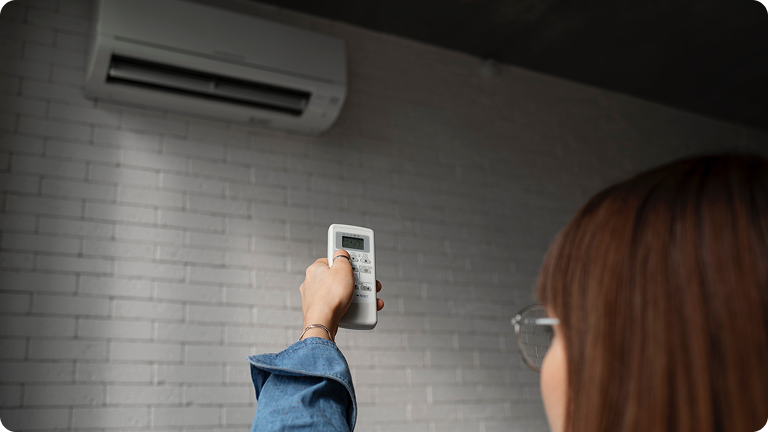

Your Trusted Local AC Experts
When the summer heat hits, you need an air conditioning system you can rely on. At Jim's Air Systems, we specialize in keeping your home cool and comfortable. Whether you need an emergency repair, a seasonal tune-up, or a brand new high-efficiency air conditioner, our family is here to help.
Our Air Conditioning Services include

AC Repair
We service all makes and models, quickly diagnosing and fixing any issue.
AC Installation & Replacement
Get a perfectly sized, high-efficiency system with our owner-led design and installation process.
AC Maintenance
Prevent breakdowns and improve efficiency with our comprehensive AC tune-ups.
Signs You Needs AC Service
.svg)
Ready for a Cooler, More Comfortable Home?
Whether you need an emergency repair or a free estimate on a new, energy-efficient air conditioner, our family is ready to provide honest advice and expert service. Contact us today!