
Is Your HVAC System Ready for Brentwood's Extreme Weather?
Tackle Brentwood's sweltering summers and chilly winters without a hitch or unexpected breakdowns. Ensure your home remains comfortable year-round with expert HVAC installation that addresses efficiency gaps and aging infrastructure. Living with an unreliable cooling system when temperatures hit triple digits isn't just uncomfortable; it is a safety risk for your household and a drain on your finances. Contact us today to schedule your consultation, discuss your project needs, or inquire about our flexible financing options.
We provide a seamless transition from your old, inefficient unit to a modern system designed for the local climate.
- Rapid installation times to beat the heat or the cold.
- Energy-efficient units tailored to Brentwood's climate.
- Upfront pricing and flexible financing options.
Fully licensed and compliant with local codes, plus comprehensive warranties for peace of mind.
Why Reliable HVAC Installation Matters in This Climate
In the East Bay area, particularly within Brentwood, the climate dictates a very specific set of requirements for residential heating and cooling. The summers are characterized by dry, intense heat where temperatures frequently surpass 100°F. Conversely, winters bring a damp chill that requires consistent, reliable heating. An HVAC system here does not just need to run; it needs to perform under heavy load for extended periods.
Many older homes in the region were built with systems that met the standards of 15 or 20 years ago. However, modern insulation standards and rising energy costs make those older units obsolete. A generic installation often fails to account for the thermal load specific to this area. If a unit is undersized, it runs continuously without ever reaching the set temperature, leading to premature compressor failure. If oversized, it short-cycles, failing to dehumidify the air properly and causing wear on the electrical components.
Proper installation ensures that the equipment chosen can handle the Delta T—the temperature difference between the outside air and the desired indoor temperature—specifically during those peak July and August heatwaves. It also ensures that during the rainy season, your heating element, whether a furnace or heat pump, operates safely without risking carbon monoxide buildup or efficiency losses.

Complete Installation Details: What to Expect
Investing in a new HVAC system is a significant decision involving more than just swapping one metal box for another. A professional installation is a comprehensive construction project that integrates mechanical, electrical, and airflow systems into your home’s existing infrastructure.
When you move forward with a replacement or new installation, the scope of work covers several critical components:
- Load Calculation: Before any equipment is ordered, a Manual J load calculation is performed. This mathematical analysis considers square footage, window orientation, insulation levels, and local weather data to determine the exact BTU capacity required.
- Ductwork Analysis: The most efficient unit on the market will fail if coupled with leaking or undersized ducts. The process includes inspecting the plenum and supply lines to ensure they can handle the airflow of the new high-efficiency blower motors.
- Equipment Selection: Based on the load calculation, you select the condenser, evaporator coil, and furnace or air handler. Options range from single-stage motors for budget-conscious projects to variable-speed inverters for maximum efficiency.
- System Integration: This involves connecting the new unit to existing gas lines, electrical panels, and thermostat wiring. It often requires upgrading the disconnect box and ensuring the breaker size matches the new amperage requirements.
- Debris Removal: The service includes the disconnection, removal, and environmentally safe disposal of the old refrigerant and equipment.
Jims Air Systems ensures that every step of this scope is documented and communicated clearly, so there are no surprises regarding timelines or deliverables.
Our HVAC Installation Process Explained
A systematic approach to installation minimizes downtime and ensures the longevity of the system. We follow a rigid protocol to guarantee that the equipment operates according to the manufacturer's specifications from day one.
- Site Preparation and Protection: First, the installation team prepares the workspace. This involves laying down drop cloths to protect flooring and clearing a path to the service areas, whether in the garage, attic, or side yard. Safety checks are conducted to turn off gas and electricity to the existing unit.
- Removal of Existing Equipment: Next, technicians recover any remaining refrigerant from the old system into certified cylinders to prevent atmospheric venting, adhering to EPA regulations. The old condenser and furnace are disconnected and removed. At this stage, the team inspects the mounting pad or attic platform to ensure it is level and structurally sound enough to support the new, often heavier, equipment.
- Positioning and Connection: The new indoor and outdoor units are positioned. For the outdoor condenser, proper clearance is established to allow for adequate airflow and maintenance access. The indoor coil and furnace are sealed tightly to the plenum to prevent air leakage. Technicians then braze the copper refrigerant lines, flowing nitrogen through the lines during the process to prevent oxidation inside the pipes, which is a critical step for system longevity.
- Electrical and Drainage: High-voltage and low-voltage wiring is connected and tested. A new condensate drain line is installed, often equipped with a safety float switch. This switch is designed to shut the system down automatically if a clog occurs, preventing water damage to your ceiling or floors.
- Commissioning and Testing: Finally, the system is vacuumed down to remove moisture from the lines and charged with the precise amount of refrigerant. The team performs a static pressure test to verify airflow and measures the temperature split between supply and return air. The thermostat is programmed, and the system is run through a full cycle to verify performance.
Deciding Between HVAC Repair and Replacement
Homeowners often face the difficult choice between repairing a faltering unit or investing in a full replacement. While repairs can be cheaper in the short term, they are often a poor financial decision for aging systems in Brentwood, CA. Understanding when to stop repairing is key to long-term savings.
Consider the following factors when making your decision:
- The 50% Rule: If the cost of the repair approaches 50% of the value of a new system, replacement is generally the smarter financial move. Major failures, such as a blown compressor or a cracked heat exchanger, almost always fall into this category.
- System Age: The average lifespan of a central air conditioner is 10 to 15 years. If your unit is over 12 years old and requires a significant repair, parts availability becomes an issue, and the likelihood of a secondary failure increases.
- Refrigerant Type: Older systems utilize R-22 refrigerant (Freon), which has been phased out. The cost of R-22 has skyrocketed. If your older unit has a leak, topping it off is exorbitantly expensive. New systems use R-410A or newer eco-friendly alternatives, making them cheaper to service.
- Efficiency Ratings (SEER): Older units may operate at 10 or 12 SEER (Seasonal Energy Efficiency Ratio). Modern standards require a minimum of 14 or 15 SEER in the Southwest region, with high-end units reaching 20+ SEER. Upgrading can reduce monthly energy bills by 30% to 50%, effectively helping the system pay for itself over time.
- Comfort Issues: If your current system leaves hot spots in the house, makes excessive noise, or creates dust issues despite filter changes, these are signs that the unit is no longer capable of meeting your home’s demands.
Understanding Local Regulations and Seasonal Tips
Installation in this region is governed by strict building codes designed to ensure energy efficiency and safety. Ignoring these regulations can lead to fines, issues when selling your home, or unsafe operating conditions.
Permits and Title 24 Compliance
In Brentwood and the surrounding Contra Costa County, pulling a permit is mandatory for HVAC replacements. This process ensures that the installation meets safety standards for gas piping and electrical connections. Furthermore, California’s Title 24 energy standards require specific performance metrics.
- Duct Testing: Title 24 often requires HERS (Home Energy Rating System) testing. A third-party rater verifies that duct leakage is below a certain percentage (usually 5% or less). If existing ducts leak, they must be sealed or replaced.
- Airflow Verification: The system must demonstrate adequate airflow across the coil to ensure efficiency.
- Thermostat Requirements: Modern installations require smart or programmable thermostats that allow for setbacks, reducing energy consumption when the home is unoccupied.
Seasonal Timing for Installation
The demand for HVAC services fluctuates heavily with the weather.
- Spring (March-May): This is the ideal time for installation. Temperatures are mild, allowing for a comfortable installation process without leaving your home freezing or overheating. Manufacturers often release rebates during the pre-season.
- Fall (September-November): Similar to spring, the fall shoulder season offers availability and cooler working conditions.
- Summer/Winter Peaks: Installing during July or January is possible but comes with the risk of longer wait times due to high emergency repair volumes. Planning ahead allows for a more relaxed decision-making process and better scheduling flexibility.
What Sets Us Apart: Expertise, Certification, and Local Knowledge
Choosing the right contractor is as important as choosing the right brand of equipment. The reliability of your heating and cooling depends heavily on the quality of the installation. A top-tier unit installed poorly will perform worse than a mid-range unit installed perfectly.
We focus on the technical details that many skip. This includes proper nitrogen purging during brazing, precise refrigerant charging using subcooling and superheat methods rather than "rule of thumb," and comprehensive airflow balancing. Our technicians are trained to handle the specific challenges of homes in this area, from tight attic spaces in older ranch-style homes to the complex zoning systems found in newer two-story developments.
We maintain active certifications and stay updated on the latest heat pump technologies and variable refrigerant flow (VRF) systems. We understand that local homeowners need systems that can handle extreme dry heat without driving electricity bills through the roof. Our approach is consultative; we assess the entire building envelope to recommend solutions that improve overall home comfort, not just equipment function.
When you are ready to upgrade your home’s comfort and efficiency, ensure the job is done right the first time. Trust the experts who understand the local climate and regulations. Contact Jims Air Systems today to secure your new installation.
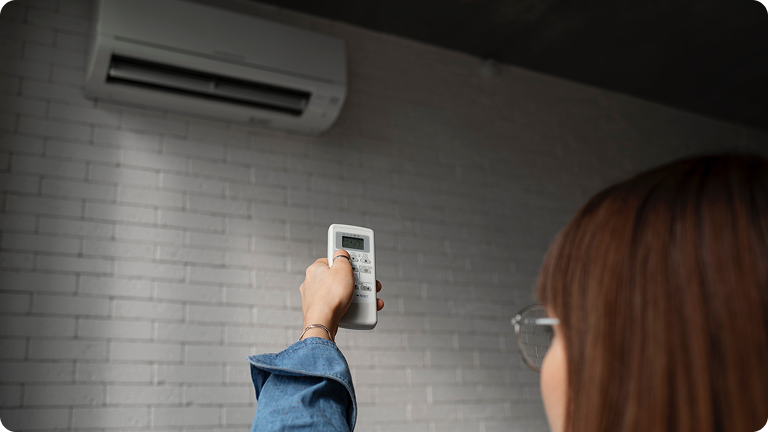

Your Trusted Local AC Experts
When the summer heat hits, you need an air conditioning system you can rely on. At Jim's Air Systems, we specialize in keeping your home cool and comfortable. Whether you need an emergency repair, a seasonal tune-up, or a brand new high-efficiency air conditioner, our family is here to help.
Our Air Conditioning Services include

AC Repair
We service all makes and models, quickly diagnosing and fixing any issue.
AC Installation & Replacement
Get a perfectly sized, high-efficiency system with our owner-led design and installation process.
AC Maintenance
Prevent breakdowns and improve efficiency with our comprehensive AC tune-ups.
Signs You Needs AC Service
.svg)

Frequently Asked Questions

We recommend having your air conditioning system professionally serviced once a year, ideally in the spring, to ensure it's ready for the summer heat.
Yes! Jim’s Air Systems is a family-owned and operated business. We take pride in delivering honest, reliable service and treating our customers like family, with a strong focus on quality workmanship and long-term relationships.
A trained, licensed HVAC professional from Jim’s Air Systems will visit your home for the estimate. Our technician will assess your needs, answer your questions, and provide a clear, upfront estimate with no pressure or hidden fees.
Ready for a Cooler, More Comfortable Home?
Whether you need an emergency repair or a free estimate on a new, energy-efficient air conditioner, our family is ready to provide honest advice and expert service. Contact us today!