
Stay Cool and Comfortable—Expert HVAC Repair in Walnut Creek
Facing unexpected AC breakdowns as summer heat peaks is a homeowner’s worst nightmare, which is why immediate action is required to restore safety and comfort. Jims Air Systems offers rapid, reliable solutions to restore your comfort fast, so call us now to secure a diagnostic appointment.
When your cooling or heating system fails in Walnut Creek, you need a service provider that prioritizes speed without sacrificing quality. We provide:
- Quick Response: Technicians are available to address urgent repair needs when the temperature spikes.
- Trusted Service: Comprehensive diagnostics and thorough repairs that address the root cause, not just the symptom.
- Cost-Effective: Competitive pricing with clear, upfront costs before any work begins—no hidden fees.
Licensed technicians ensure all repairs meet local building codes, with all work fully guaranteed for your peace of mind.
What You Get With Professional Repair Services
When you schedule a service call, you are purchasing a restoration of performance and efficiency. The primary goal is to minimize downtime. In a climate where summer highs frequently exceed 90°F, a malfunctioning HVAC system is more than an inconvenience; it is a safety concern. Professional repair services are designed to address the entire spectrum of system failures, from minor electrical glitches to major mechanical breakdowns.
The service begins with a comprehensive structural and mechanical analysis. A technician does not simply swap out parts based on a guess. They utilize advanced diagnostic tools to measure pressure levels, electrical voltage, and airflow consistency. This ensures that the component being replaced is actually the source of the failure. For example, a system blowing warm air could be the result of a refrigerant leak, a failed compressor, or simply a clogged filter. Identifying the exact variable saves money and time.
Included in a standard repair service are several critical checkpoints:
- System Diagnostics: A complete run-through of the thermostat, furnace, and condensing unit to identify error codes and mechanical resistance.
- Electrical Safety Check: Inspection of capacitors, contactors, and wiring to prevent potential fire hazards or short circuits.
- Refrigerant Level Assessment: Ensuring the system has the correct charge to cool the home efficiently without freezing the coils.
- Component Replacement: Removal of faulty hardware and installation of high-quality, manufacturer-approved parts that restore original factory specifications.
- Airflow Optimization: Checking registers and ductwork to ensure conditioned air is reaching every room in the house effectively.
- Drainage Clearance: Cleaning condensate lines to prevent water damage and humidity issues within the home.
You also receive a transparent timeline. Most repairs are completed on the same day as the diagnosis, provided parts are available on the truck. The objective is to leave the home with the system running at peak capacity, cycling on and off correctly to maintain the desired temperature.
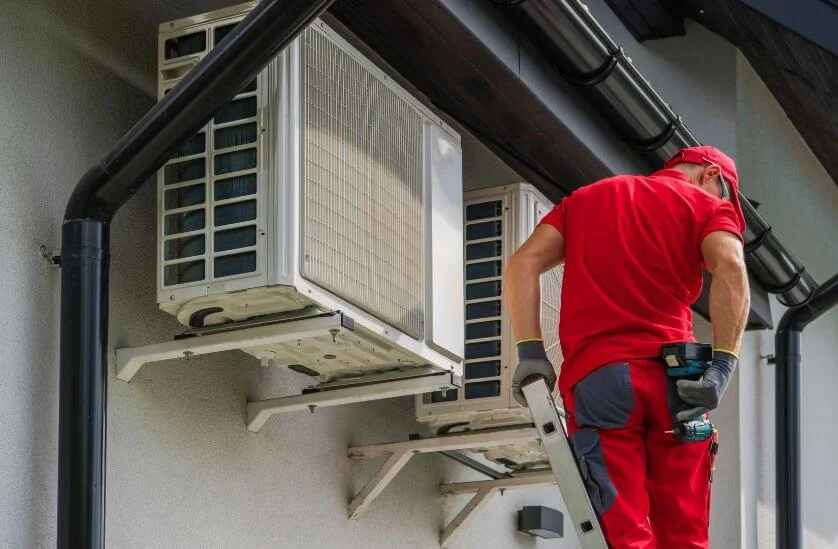
How The HVAC Repair Process Works
Understanding the workflow of a repair visit helps homeowners prepare and sets expectations for the service. The process is streamlined to be as non-intrusive as possible while ensuring technical accuracy. It moves from initial contact to final testing in a logical sequence:
Arrival and Site Protection
The process begins when the technician arrives at your property in Walnut Creek. Professional technicians respect your home environment. They park in a designated area and apply shoe covers or lay down drop cloths before entering the workspace. This protects flooring and keeps the home clean. The technician will ask you specific questions about the symptoms you noticed—strange noises, smells, or specific times of day when the unit struggles.
The Diagnostic Phase
Once the preliminary interview is complete, the physical inspection begins. The technician will access the thermostat to verify communication with the unit. Then, they will inspect the indoor air handler and the outdoor condenser unit. This involves removing access panels to test internal components.
- First, the technician cuts power to the unit for safety to test electrical continuity.
- Next, gauges are attached to measure refrigerant pressures.
- Then, the blower motor and fan blades are inspected for debris or wear.
- Finally, the heat exchanger (in furnaces) or coils (in ACs) are checked for cracks or corrosion.
The Quote and Authorization
After the issue is identified, the technician stops to explain the findings. You are presented with a clear, written report detailing exactly what is broken, why it failed, and what is required to fix it. This quote includes the cost of labor and parts. Work does not proceed until you have authorized the repair. This eliminates surprise bills at the end of the service.
Execution of Repair
Upon approval, the technician retrieves the necessary parts from the service vehicle. The repair is performed according to industry best practices. This might involve brazing copper lines, replacing a circuit board, or hard-starting a compressor. The focus is on precision installation to ensure longevity.
System Validation and Testing
The job is not finished when the new part is in. The system is powered back on and put through a rigorous testing cycle.
- The technician monitors the system through a full cooling or heating cycle.
- They measure the temperature split (the difference in temperature between the air entering the return vent and the air leaving the supply vent) to confirm cooling power.
- They verify that the unit shuts off automatically once the thermostat set point is reached.
- Only after these performance metrics are met is the job considered complete.
When Repair Beats Replacement
Deciding between fixing an existing unit and investing in a new system is a common dilemma. While new systems offer higher efficiency, repair is often the most logical and financial choice, especially if the current system has not reached the end of its designed lifespan. There are specific criteria used to determine when a repair is the superior option:
The 50% Rule
Industry standards often cite the "50% Rule." If the cost of the repair is less than 50% of the cost of a brand-new system, and the unit is not obsolete, repair is generally the better path. For example, replacing a failed capacitor or a fan motor is significantly cheaper than buying a new condenser. If the core components—like the compressor and the heat exchanger—are still in solid condition, the system likely has years of service life remaining.
System Age Considerations
Most modern HVAC systems are built to last between 15 and 20 years with proper maintenance. If your unit is under 10 years old, it is almost always worth repairing. Units in this age range typically use modern refrigerants and have parts that are readily available. Premature replacement results in a loss of the initial investment made when the home was built or the unit was installed.
Frequency of Breakdowns
An isolated breakdown does not indicate a "lemon." Systems have many moving parts, and wear and tear is normal. If this is the first major repair the system has needed in several years, it is worth fixing. Constant, back-to-back failures are a different story, but a single component failure is standard operation for mechanical equipment.
Moving Plans
If you plan to move out of your Walnut Creek home within the next few years, repair is the pragmatic choice. You want to ensure the system is functional for the inspection and the buyer, but you may not recoup the full return on investment of a completely new high-efficiency system installation. A solid repair keeps the home comfortable and marketable without the heavy capital expenditure of replacement.
Local Dependability and Climate Factors
HVAC repair in this region requires an understanding of the specific microclimate and regulatory environment. Walnut Creek experiences a Mediterranean climate, characterized by hot, dry summers and cool, wet winters. This weather pattern exerts specific stressors on heating and cooling equipment that generic service providers might overlook. Jims Air Systems understands these local nuances deeply:
Summer Stress Loads
The dry heat in the summer means air conditioners run for long, continuous cycles. This puts immense strain on the compressor and the capacitor. Dust and pollen are also significant factors in this area. Debris can rapidly accumulate on outdoor condenser coils, acting as an insulating blanket that prevents heat release. This causes the system to overheat and consume excess electricity. Local repair services include checking for this specific type of environmental wear to prevent repeat failures.
Winter Humidity and Heating
While winters are mild compared to other parts of the country, the humidity and rain in December and January can affect gas furnaces and heat pumps. Moisture can lead to corrosion on electrical contacts or issues with ignition sensors in furnaces. Technicians must be vigilant about inspecting flues and vents to ensure they are clear of bird nests or debris that may have accumulated during the off-season, ensuring safe carbon monoxide venting.
Adherence to California Title 24
California has some of the strictest energy codes in the nation under Title 24. Any significant repair or alteration to an HVAC system must comply with these standards. This includes duct sealing requirements and refrigerant handling protocols:
- Technicians must be certified to handle refrigerants responsibly, preventing leaks that harm the environment.
- Repairs involving ductwork modifications often require verification testing to ensure minimal leakage.
- Hiring a local professional ensures that all work is compliant with these regulations, preventing issues with future home sales or permit inspections.
Traffic and Logistics
Local dependability also means logistical efficiency. Service providers familiar with the layout of the city, from the downtown corridors to the hillside residential areas, can navigate traffic patterns to arrive within the scheduled window. They carry truck stock suited for the specific brands and models most common in local housing developments, reducing the need for return trips to a warehouse.
Why Professional Execution Matters
The difference between a temporary patch and a long-term solution lies in the expertise of the technician. Selecting a service provider is about trust, technical capability, and respect for your property:
Technical Training and Certification
Modern HVAC equipment involves complex electronics and variable-speed motors. It is no longer just simple mechanics. Technicians undergo rigorous training to understand low-voltage wiring, thermodynamics, and airflow dynamics. This training ensures that the diagnosis is accurate the first time. Guesswork leads to wasted parts and prolonged discomfort. A professional brings the right tools—multimeters, manometers, and leak detectors—to diagnose issues based on data, not intuition.
Transparency and Integrity
You deserve to know exactly what you are paying for. Professional service emphasizes clear communication. You are never kept in the dark about the severity of the issue or the cost of the repair:
- Written estimates are provided before tools touch the equipment.
- Explanations are given in plain English, not technical jargon.
- Old parts are often kept to show you exactly what failed.
Warranty and Protection
Authorized repairs come with warranties on both parts and labor. If the specific repair fails again within the warranty period, it is corrected at no additional cost. This aligns the interests of the service provider with the homeowner; the goal is to fix it right so it stays fixed. Furthermore, professional companies carry liability insurance and workers' compensation, protecting you from any liability in the unlikely event of an accident on your property.
Restoring your home's comfort is not just about fixing a machine; it is about restoring the livability of your space. Whether it is the height of summer or the middle of a winter storm, you need a partner who responds with urgency and expertise.
Restore Comfort Fast with Jims Air Systems
When your HVAC system fails, every minute matters. Jims Air Systems is ready to respond with fast, dependable repair services designed to restore comfort, safety, and efficiency to your Walnut Creek home. Our licensed technicians combine advanced diagnostics with proven repair expertise to fix the problem right the first time—no shortcuts, no surprises. From transparent pricing to guaranteed workmanship, we make the repair process simple and stress-free. Don’t let extreme temperatures disrupt your home or routine. Take control today by scheduling your professional HVAC repair with Jims Air Systems and experience service built on trust, speed, and results.
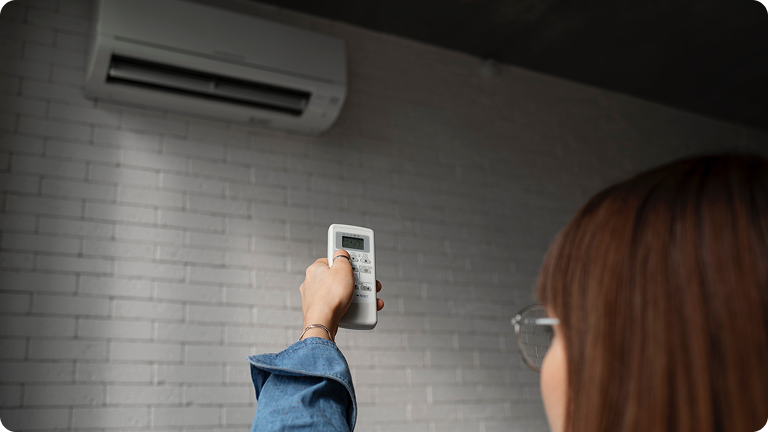

Your Trusted Local AC Experts
When the summer heat hits, you need an air conditioning system you can rely on. At Jim's Air Systems, we specialize in keeping your home cool and comfortable. Whether you need an emergency repair, a seasonal tune-up, or a brand new high-efficiency air conditioner, our family is here to help.
Our Air Conditioning Services include

AC Repair
We service all makes and models, quickly diagnosing and fixing any issue.
AC Installation & Replacement
Get a perfectly sized, high-efficiency system with our owner-led design and installation process.
AC Maintenance
Prevent breakdowns and improve efficiency with our comprehensive AC tune-ups.
Signs You Needs AC Service
.svg)

Frequently Asked Questions

We recommend having your air conditioning system professionally serviced once a year, ideally in the spring, to ensure it's ready for the summer heat.
Yes! Jim’s Air Systems is a family-owned and operated business. We take pride in delivering honest, reliable service and treating our customers like family, with a strong focus on quality workmanship and long-term relationships.
A trained, licensed HVAC professional from Jim’s Air Systems will visit your home for the estimate. Our technician will assess your needs, answer your questions, and provide a clear, upfront estimate with no pressure or hidden fees.
Ready for a Cooler, More Comfortable Home?
Whether you need an emergency repair or a free estimate on a new, energy-efficient air conditioner, our family is ready to provide honest advice and expert service. Contact us today!