
Ductless Installation in Lafayette, CA
Upgrade to efficient ductless cooling in Lafayette, CA, with Jims Air Systems. Improve indoor air quality, lower energy bills, and enjoy customizable temperature control. Contact us now!
Experience Comfort with Efficient Ductless Installation
Dealing with inconsistent temperatures, noisy window units, and rising energy bills in Lafayette, CA creates unnecessary stress during the warm, dry summer months. Contact us today to schedule a site evaluation or inquire about our flexible financing options to upgrade your home comfort immediately.
Old-fashioned cooling methods often fail to combat the specific heat patterns of the local Mediterranean climate, leaving some rooms stifling hot while others freeze. Jims Air Systems provides a sophisticated alternative that eliminates the need for bulky ductwork while maximizing energy efficiency. Transitioning to a ductless mini-split system offers precise temperature control for individual rooms, ensuring your living space adapts to your specific needs rather than the other way around.
Key outcomes of choosing this installation service include:
- Qualified installation completed efficiently, often within a single day for standard setups.
- Significantly reduced energy costs through the use of high-SEER inverter technology.
- Customized equipment placement tailored to your home’s architectural layout and interior design.
- Enhanced indoor air quality through multi-stage filtration systems built into the units.
All installations are fully licensed, backed by comprehensive warranties, and financing options are available to meet your budget.
Comprehensive Ductless Solutions for Modern Living
A ductless installation is not merely replacing a box in the window; it is an infrastructure upgrade that adds permanent value and comfort to your property. When you commit to this service, you receive a complete system designed to handle both the heating and cooling demands of the region. The scope of work involves the integration of two main components: an outdoor compressor/condenser and one or more indoor air-handling units. These are connected by a conduit housing the power cable, refrigerant tubing, and a condensate drain.
Homeowners receive a system that bypasses the energy loss associated with traditional forced-air ductwork. According to energy experts, duct losses can account for more than 30% of energy consumption for space conditioning. By removing the ducts, you ensure that every kilowatt of power paid for is directly converted into conditioned air in the living space.
The installation package typically includes:
- Site Assessment and Load Calculation: Technicians verify the square footage, insulation levels, and solar exposure of the room to size the unit correctly.
- Equipment Selection: Options range from single-zone units for a home office or addition to multi-zone systems that connect up to eight indoor units to a single outdoor condenser.
- Mounting Hardware: Secure wall brackets or concrete pads for the outdoor unit to ensure stability and vibration isolation.
- Line Set Concealment: Decorative line set covers are installed to hide the refrigerant lines on the exterior of the home, maintaining curb appeal.
- Electrical Integration: Safe connection to your home’s electrical panel, often requiring a dedicated circuit to handle the load without tripping breakers.
This approach allows for "zoning," meaning you can cool the living room during the day without wasting energy on empty bedrooms. It represents a shift from passive climate control to active, on-demand management of your home environment.
The Installation Process Step-by-Step
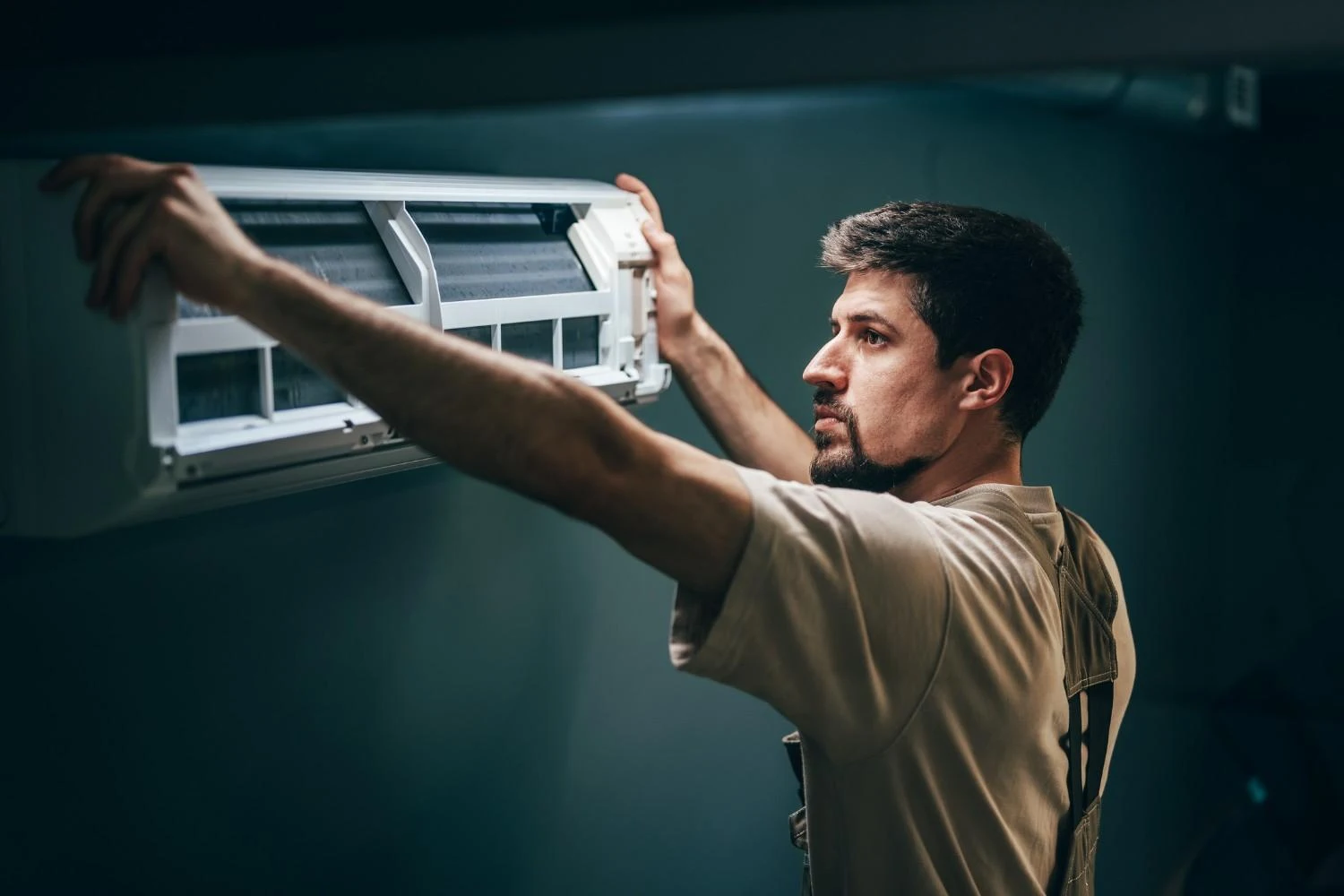
Understanding the installation timeline helps homeowners prepare for the arrival of the crew. Unlike the disruptive, week-long process of retrofitting central air ducts, a ductless installation is streamlined and minimally invasive. The goal is to have the system up and running with little disturbance to your daily routine.
The process generally adheres to the following sequence:
- Initial Walkthrough: The lead installer confirms the placement of the indoor and outdoor units with you. This ensures that the indoor unit provides optimal airflow coverage while the outdoor unit is situated in a location that complies with local noise ordinances and setback requirements.
- Mounting the Indoor Plate: The technician secures a mounting plate to the interior wall. This plate must be perfectly level and anchored into studs or heavy-duty toggles to support the weight of the air handler.
- Drilling the Conduit Hole: A small hole, typically three inches in diameter, is drilled through the exterior wall. Installers angle this hole slightly downward toward the outside to assist with gravity-fed drainage of condensate water.
- Running the Lines: The refrigerant lines, drain tube, and communication wires are bundled and fed through the wall. High-quality insulation is applied to the refrigerant lines to prevent sweating and energy loss.
- Outdoor Unit Installation: The condenser is placed on a composite pad on the ground or mounted to the exterior wall using brackets. This keeps the unit elevated above potential debris or water accumulation during the wet winter months.
- Making Connections: Technicians connect the refrigerant lines to the service valves. This step requires precision torque settings to prevent leaks.
- Pressure Testing and Vacuuming: Nitrogen is used to pressure test the lines for leaks. Afterward, a vacuum pump removes all moisture and air from the lines before the refrigerant is released. This is critical for the longevity of the compressor.
- Final Startup and Training: The system is powered on, and the installer walks you through the remote control functions, filter cleaning, and maintenance requirements.
Determining When to Install a New Ductless System
Deciding between repairing an existing HVAC setup or investing in a new ductless installation depends on several factors regarding efficiency, usage, and home layout. While repairs might seem cheaper initially, they often delay the inevitable and cost more in monthly utilities.
Consider a new installation in the following scenarios:
- Renovations and Additions: If you are adding a sunroom, garage workshop, or an Accessory Dwelling Unit (ADU), extending existing ductwork is often cost-prohibitive and technically difficult. A ductless unit operates independently, making it the perfect solution for new square footage.
- Older Homes with No Ductwork: Many historic or mid-century homes in the area utilize baseboard heating or radiant systems and lack the infrastructure for central air. Installing ducts would require lowering ceilings or losing closet space. Ductless systems preserve the architectural integrity of the home.
- Addressing Hot or Cold Spots: If your central system works fine for most of the house but leaves the master bedroom too hot or the basement too cold, a single-zone ductless unit can supplement the main system. This resolves comfort issues without overworking the central unit.
- Energy Efficiency Goals: If your current cooling method involves window units, you are likely dealing with noise, security risks, and low efficiency. Modern ductless systems offer high SEER ratings (often 20+), which can drastically lower electricity usage compared to window units or older central air conditioners.
- Empty Nesters: If you find yourself only using a few rooms in a large house, heating or cooling the entire structure is wasteful. Ductless zoning allows you to condition only the occupied spaces.
When you choose Jims Air Systems, you get an honest assessment of whether your current situation warrants a repair or if a new installation will provide a better return on investment over time.
Critical Considerations for Lafayette Homeowners
Local factors play a significant role in how a ductless system is configured and installed. The specific environmental and regulatory landscape necessitates a knowledgeable approach to ensure compliance and performance.
Climate and Seasonality
Lafayette features a Mediterranean climate with distinct wet and dry seasons. Summers are warm and dry, with temperatures often reaching the low 90s. Conversely, winters are wet and mild, with highs in the 50s.
- Cooling Efficiency: The system must be sized to handle the peak heat load of July and August. Inverter technology excels here, ramping up to cool down the house quickly and then throttling down to maintain the temperature efficiently.
- Heating Capability: Because winters are mild, a ductless heat pump is an excellent primary heat source. It can extract heat from the outside air even in temperatures well below freezing, providing efficient warmth without the dryness associated with gas furnaces.
- Humidity Control: While summers are dry, the "dry mode" on ductless units can be useful during transitional seasons to remove excess moisture without over-cooling the space.
Permitting and Regulations
Installation involves structural modifications and electrical work, which triggers the need for adherence to local building codes.
- Building Permits: Most jurisdictions require a permit for HVAC installations. This ensures the equipment meets safety standards and energy codes (such as Title 24 in California).
- Electrical Upgrades: Ductless systems require a dedicated electrical circuit. Older homes may need a panel upgrade or sub-panel installation to accommodate the new breaker.
- Noise Ordinances: Outdoor units must be placed in locations that do not violate local noise ordinances regarding property lines. Modern units are whisper-quiet, but placement still matters for compliance.
- HOA Restrictions: If you live in a community with a Homeowners Association, there may be rules regarding the visibility of the outdoor condenser or the line set covers.
Why Technical Expertise Matters
The performance of a ductless mini-split is heavily dependent on the quality of the installation. Unlike a refrigerator that you simply plug in, a split system is a complex assembly of chemicals, pressure, and electricity. An improper installation can lead to refrigerant leaks, compressor failure, and voided warranties.
Professional technicians ensure that the wall unit is mounted securely to prevent vibration noise. They ensure that the condensate drain is gravity-pitched correctly so that water does not back up and damage your drywall. Furthermore, the handling of refrigerant requires EPA certification to prevent environmental harm and ensure the system operates at peak efficiency.
Selecting a provider who understands the nuances of the equipment ensures that you get the lifespan you expect from the investment. High-quality tools, precise measurements, and adherence to manufacturer specifications differ significantly from handyman-grade work. The result is a system that runs quietly, cools effectively, and keeps your utility bills predictable.
Securing Your Comfort Solution
Upgrading to a ductless system transforms how you experience your home. It removes the battle against the thermostat and replaces it with reliable, quiet, and efficient climate control. Whether you are looking to cool a single sweltering bedroom or condition an entire home without ducts, the technology provides a versatile solution.
The combination of immediate installation availability, long-term energy savings, and customized zoning makes this an intelligent decision for homeowners facing the region's specific weather patterns. Jims Air Systems is ready to help you navigate the options and execute a flawless installation.
Take control of your indoor environment today. Contact us now to begin the process and secure a comfortable future for your home.

Your Trusted Local AC Experts
When the summer heat hits, you need an air conditioning system you can rely on. At Jim's Air Systems, we specialize in keeping your home cool and comfortable. Whether you need an emergency repair, a seasonal tune-up, or a brand new high-efficiency air conditioner, our family is here to help.
Our Air Conditioning Services include

AC Repair
We service all makes and models, quickly diagnosing and fixing any issue.
AC Installation & Replacement
Get a perfectly sized, high-efficiency system with our owner-led design and installation process.
AC Maintenance
Prevent breakdowns and improve efficiency with our comprehensive AC tune-ups.
Signs You Needs AC Service
.svg)
Ready for a Cooler, More Comfortable Home?
Whether you need an emergency repair or a free estimate on a new, energy-efficient air conditioner, our family is ready to provide honest advice and expert service. Contact us today!