
Reliable Ductless Air System Installations at Your Doorstep
Facing inconsistent temperatures at home? Our ductless system installations bring comfort and efficiency to your living spaces, customized to your unique needs. Whether you are looking to cool a room in a historic home without existing ductwork or need a supplemental heating source for a home addition, reliable climate control is just a phone call away Contact Us Today for a Consultation.
Residents in Martinez often deal with the distinct shift between wet, chilly winters and dry, warm summers. A properly installed mini-split system bridges that gap efficiently.
- Streamlined installation process with same-day service available
- Competitive pricing with flexible financing options
- Guarantees on efficiency and minimal disruption during installation
All installations are fully compliant with local codes and come with robust warranty options.
What Comprehensive Ductless Installation Includes
When you choose to install a ductless mini-split system, you are purchasing more than just a piece of hardware; you are investing in a complete climate solution designed for longevity. Jims Air Systems focuses on a turnkey approach that removes the guesswork from the process. The goal is to ensure that from the moment the technicians arrive, the path to a comfortable home is clear and unobstructed.
A professional installation package encompasses several critical components. It begins with a detailed load calculation. Unlike window units that are often estimated by "rule of thumb," a permanent split system requires precise Manual J calculations. This ensures the unit chosen matches the specific square footage, insulation quality, and window orientation of the room. An undersized unit will run constantly without cooling the space, while an oversized unit will short-cycle, leading to humidity issues and premature wear.
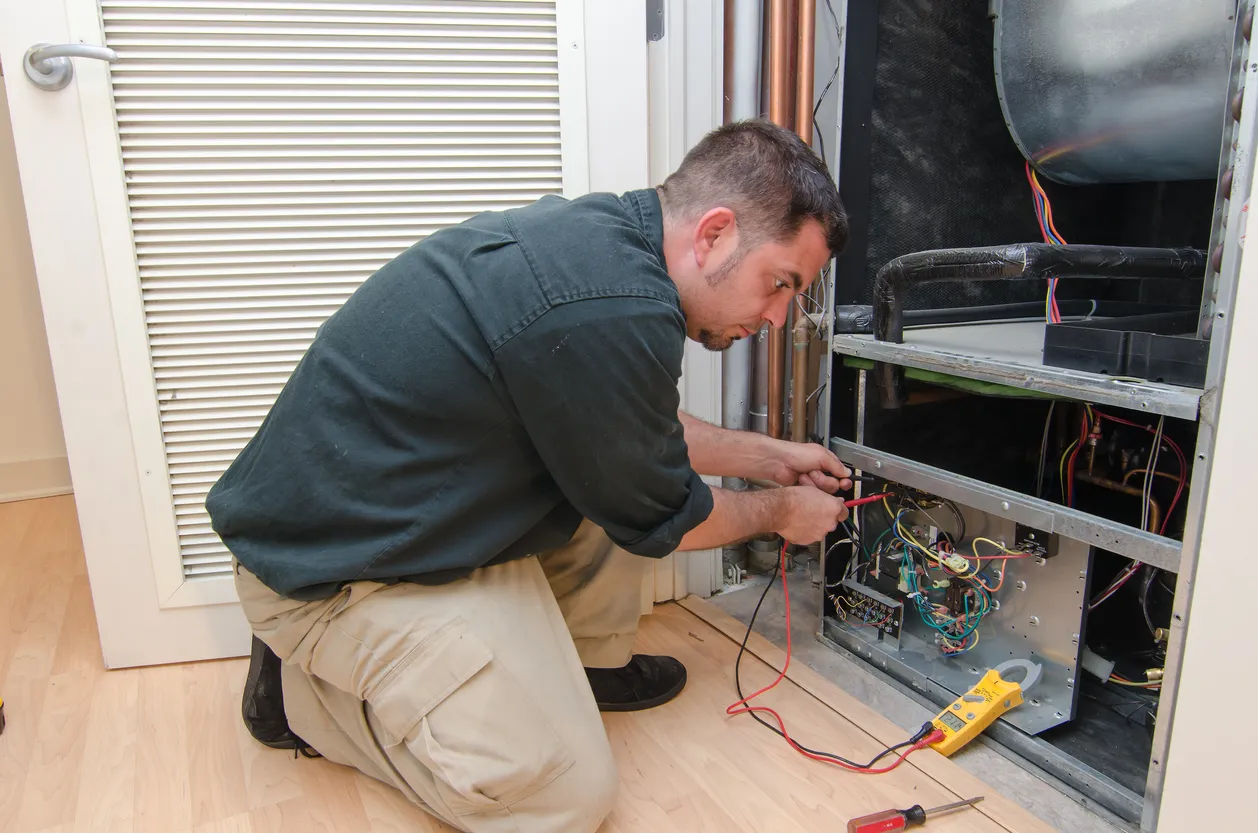
The physical installation scope includes the mounting of the indoor air handler and the placement of the outdoor condenser. It involves running the refrigerant lines, drain condensate piping, and the necessary electrical wiring between the two units. Protective line set covers are included to ensure the exterior of your home remains aesthetically pleasing and the lines are shielded from UV rays and weather damage.
Furthermore, proper electrical integration is part of the service. Ductless systems usually require a dedicated circuit to operate safely. The installation team handles the disconnect box installation and ensures the whip (the flexible conduit) is correctly connected. Following the physical hookup, the system undergoes a rigorous nitrogen pressure test and vacuum evacuation to remove moisture before the refrigerant is released. This technical precision is what differentiates a system that lasts five years from one that lasts twenty.
The Installation Process Step-by-Step
Understanding the timeline and workflow helps homeowners prepare for the installation day. While ductless systems are significantly less invasive than central HVAC installations, they still require skilled labor and construction work. The process is designed to be efficient, often completed within a single day for single-zone applications.
- Site Assessment and Layout: The lead installer reviews the predetermined location for the indoor and outdoor units. They verify wall strength for the indoor mount and ensure the outdoor unit has proper clearance for airflow and maintenance.
- Wall Preparation: A mounting plate is secured to the interior wall. This plate must be perfectly level to ensure proper drainage of condensate water.
- Drilling the Passage: A small hole, typically three inches in diameter, is drilled through the exterior wall. This is the only penetration required. Technicians drill at a slight downward angle to assist with gravity drainage.
- Mounting the Indoor Unit: The air handler is lifted and snapped onto the mounting plate. The refrigerant lines, drain tube, and communication wire are carefully fed through the wall passage.
- Exterior Setup: Outside, the condenser unit is placed on a composite pad or mounted to the wall with brackets, depending on the landscape and local code requirements. This keeps the unit off the ground, protecting it from dirt, debris, and potential water accumulation during the rainy season.
- Line Set Connection: The copper refrigerant lines are connected to both units. These connections are torqued to manufacturer specifications to prevent leaks.
- Electrical Connections: The power and communication wires are connected. This synchronizes the indoor and outdoor units, allowing for the variable speed inverter technology to function correctly.
- System Evacuation: A vacuum pump removes air and moisture from the lines. This is a critical step; moisture in the lines can freeze or corrode the compressor.
- Testing and Commissioning: Once the vacuum holds, the refrigerant valves are opened. The system is powered on, and technicians check amperage draw, temperature split (the difference between air entering and leaving the unit), and drain function.
- User Training: The final step involves walking the homeowner through the remote control functions, filter cleaning procedures, and maintenance requirements.
Mini-Split vs. Central Air: Making the Decision
Homeowners often debate between extending existing ductwork or installing a ductless solution. In many Martinez homes, particularly older builds or those with flat roofs, adding ductwork is either structurally impossible or cost-prohibitive. Ductless systems offer a distinct advantage in these scenarios by bypassing the energy loss associated with ductwork. According to energy efficiency studies, centralized duct systems can lose up to 30% of energy through leaks and uninsulated spaces. Ductless systems deliver air directly into the zone, eliminating this loss entirely.
Beyond efficiency, the decision often comes down to zoning control. Central systems typically cool the entire house to one temperature. If you have a home office that gets hot in the afternoon or a bedroom that stays cold, a central thermostat cannot accommodate those specific micro-climates. Ductless heads operate independently. You can cool the living room while the bedrooms remain off, or heat a nursery to a higher temperature than the rest of the house.
Noise is another deciding factor. Modern inverter-driven compressors are incredibly quiet. The indoor units operate at a whisper, often quieter than a library, making them ideal for light sleepers or media rooms. In contrast, older central air systems can have noisy startups and loud air rushes through vents.
For additions, garage conversions, or accessory dwelling units (ADUs), ductless is almost always the superior operational choice. It avoids the need to upgrade the main central furnace to handle the extra square footage, keeping the primary system from being overworked.
When Replacement Beats Repair
If you currently have an older ductless unit or a window AC setup, knowing when to invest in a new installation is key to financial prudence. Continuing to repair an aging system often costs more in the long run than a modern replacement.
- Age of the Unit: If the existing equipment is over 12 to 15 years old, major components like the compressor are likely nearing the end of their lifecycle.
- Refrigerant Type: Older systems may utilize R-22 refrigerant, which has been phased out due to environmental regulations. If an R-22 unit develops a leak, the cost of refrigerant is exorbitant, and replacement is the only logical path.
- Rising Energy Bills: As internal components wear, motors and compressors must work harder to achieve the same result. A sudden spike in electrical usage often signals internal inefficiency that repair cannot fully resolve.
- Frequent Breakdowns: If you require professional service more than once a year, the system has become a liability. The "50% Rule" suggests that if the cost of repair approaches 50% of the value of a new system, replacement is the better option.
- Inconsistent Comfort: If the unit runs but fails to dehumidify or reach the set temperature, the compressor may have lost compression. Modern systems offer superior humidity control, which is essential during the damp winter months in the Bay Area.
Local Considerations for Martinez and the Bay Area
Operating HVAC equipment in Martinez requires specific attention to local climate patterns and regulations. The Mediterranean climate means systems must handle the "wet season" from November to March and the dry, high-heat intervals of summer.
- Permitting and Title 24: Installations in California must adhere to Title 24 energy standards. This involves ensuring that the unit meets specific SEER (Seasonal Energy Efficiency Ratio) and HSPF (Heating Seasonal Performance Factor) ratings. Permits are required for new installations to verify that electrical work is up to code and that the unit is safely mounted.
- Wildfire Smoke Mitigation: During the dry summer months, wildfire risk is a reality. Ductless systems are excellent for indoor air quality because they do not draw air from a central attic or crawlspace where smoke can infiltrate. However, this makes keeping the washable filters clean imperative during fire season to maintain airflow.
- Condensate Management: Given the heavy rainfall in winter, proper drainage for the outdoor heat pump is vital. If the unit is used for heating, it will produce condensate that can freeze on the ground. Installations must account for this runoff to prevent slipping hazards or foundation water issues.
- Electrical Panel Capacity: Many older homes in the area may have 100-amp panels that are already near capacity. Adding a powerful heat pump system might trigger the need for a sub-panel or a service upgrade. An initial assessment determines if your current electrical infrastructure can support the new load.
Why Professional Installation Matters
While the hardware is important, the quality of the installation determines the performance and safety of the system. Improperly flared connections are the leading cause of refrigerant leaks, which damage the environment and kill the compressor. Incorrect electrical wiring can pose fire hazards or fry delicate circuit boards.
Choosing a certified provider ensures that manufacturer warranties remain valid. Most major brands require proof of professional installation to honor parts warranties. This protection covers expensive components like the inverter board and compressor for up to a decade, provided the system was installed according to the manual.
Furthermore, professional installers utilize specialized tools such as micron gauges and torque wrenches that average homeowners do not possess. Achieving the correct vacuum level in the lines is not a matter of guessing; it requires precise measurement to ensure the system is free of non-condensables.
Don’t Settle for Generic Comfort: Choose Expert Ductless System Design Today
Trust your home comfort to experts who understand the intricacies of load calculations, airflow dynamics, and local building codes. Ensure your investment delivers the efficiency and comfort promised on the brochure.
Ready to upgrade your home comfort with a high-efficiency ductless system? Contact Us Today to schedule your detailed estimate.

Your Trusted Local AC Experts
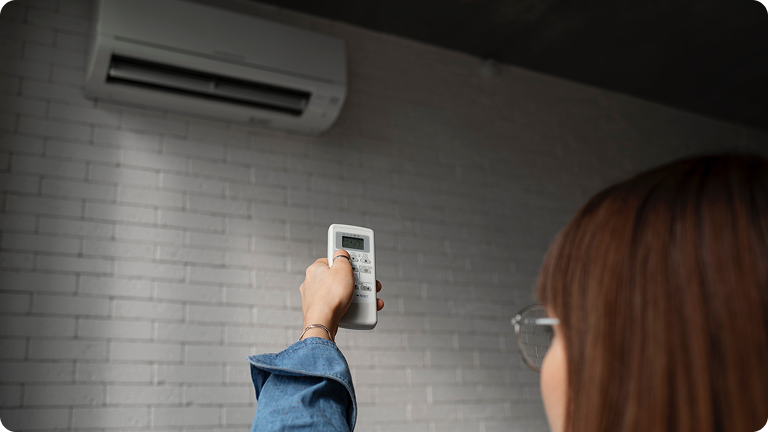
When the summer heat hits, you need an air conditioning system you can rely on. At Jim's Air Systems, we specialize in keeping your home cool and comfortable. Whether you need an emergency repair, a seasonal tune-up, or a brand new high-efficiency air conditioner, our family is here to help.
Our Air Conditioning Services include

AC Repair
We service all makes and models, quickly diagnosing and fixing any issue.
AC Installation & Replacement
Get a perfectly sized, high-efficiency system with our owner-led design and installation process.
AC Maintenance
Prevent breakdowns and improve efficiency with our comprehensive AC tune-ups.
Signs You Needs AC Service
.svg)
Ready for a Cooler, More Comfortable Home?
Whether you need an emergency repair or a free estimate on a new, energy-efficient air conditioner, our family is ready to provide honest advice and expert service. Contact us today!