
Is Your Ductless AC System Acting Up?
Struggling with unexpected heating drops or weird noises from your ductless system in San Ramon can disrupt your daily routine and leave your home uncomfortable. When your mini-split fails to regulate temperature or starts leaking water, fast and reliable repair services are just a call away—contact us now to schedule a technician or discuss financing options.
- Restore your comfort immediately with efficient, same-day repair services designed to minimize downtime.
- Ensure long-term performance and efficiency with repairs conducted by top-rated local technicians who understand ductless technology.
- Get service any time you need it, with technicians available 24/7 to handle urgent breakdowns.
All repairs are backed by a full warranty to guarantee your peace of mind and protect your investment.
Immediate Response for Ductless System Failures
When a ductless mini-split system fails, the impact on your indoor environment is immediate. Unlike central HVAC systems that might rely on ductwork to spread residual heat or cool air, a ductless head is responsible for the specific zone it occupies. If that unit goes down, that room becomes unusable very quickly. We prioritize rapid response to address these isolated failures before they affect the comfort of your entire home.
Upon contacting us, the process begins with a focused assessment of the urgency. We distinguish between a system that is simply losing efficiency and one that poses a risk, such as an electrical short or a significant refrigerant leak. Residents in San Ramon often rely on these systems for both heating and cooling due to the region's specific climate patterns. A failure in July can be dangerous due to heat, while a breakdown in a wet December can introduce moisture risks.
Our technicians arrive fully equipped with the diagnostic tools necessary for modern inverter-driven systems. We do not waste time running back and forth to a supply house for standard components. Our service vehicles stock common control boards, sensors, and refrigerant types used in major ductless brands. This preparation allows us to move from diagnosis to repair in a single visit in the vast majority of cases.
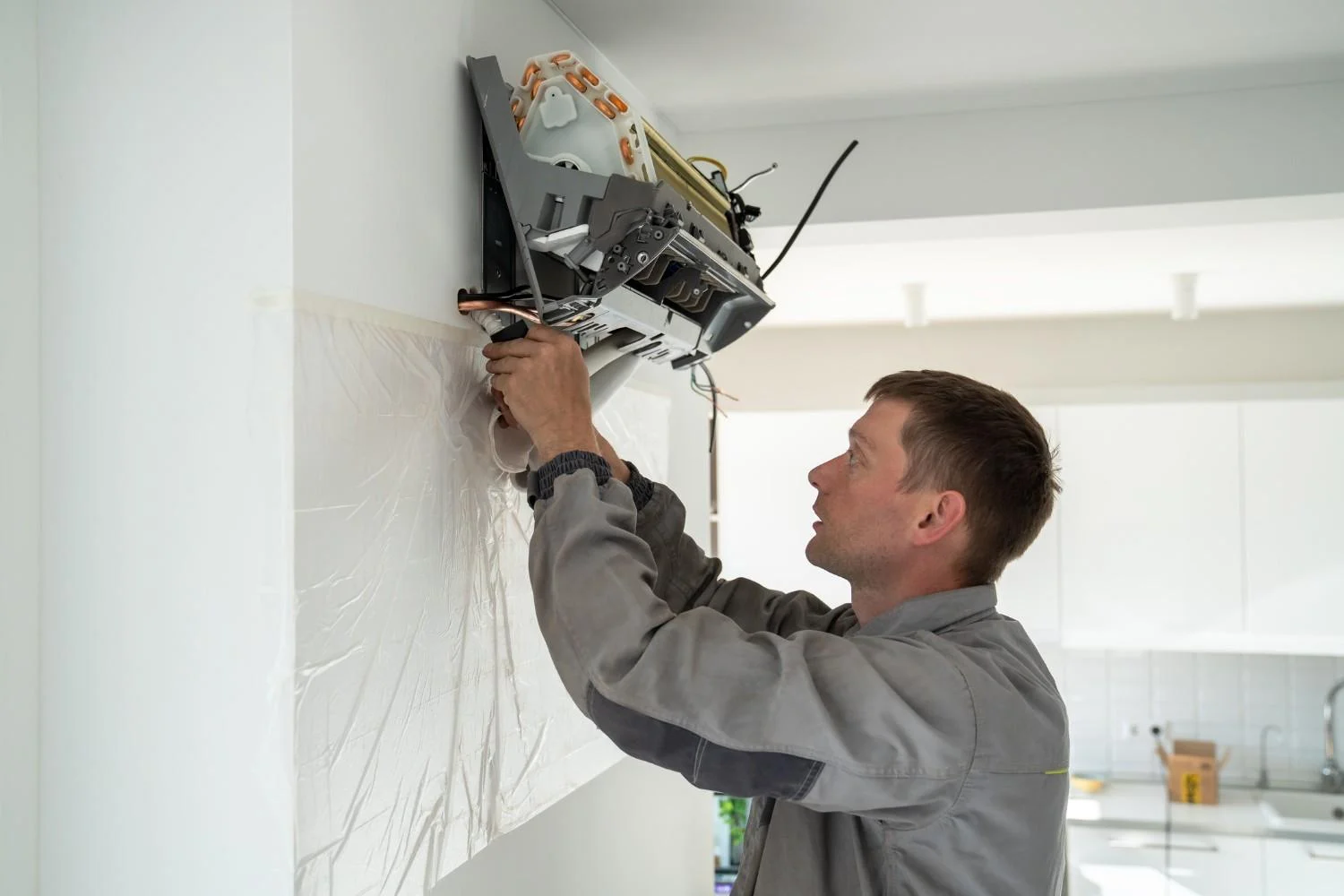
Comprehensive Diagnostic and Repair Protocol
Modern ductless systems are sophisticated pieces of technology that rely heavily on computer boards and sensors to modulate compressor speeds. Repairing them requires a different skillset than fixing a traditional single-stage air conditioner. We utilize a systematic approach to identify the root cause of the failure, rather than just treating the symptom.
Initial Error Code Analysis
Most ductless systems communicate issues via error codes displayed on the indoor unit or through specific flashing light patterns. We interpret these manufacturer-specific codes immediately to narrow down the potential electrical or mechanical fault. This saves time and ensures the technician investigates the correct circuit or component.
Electrical and Inverter Testing
The core of a ductless system is the inverter technology that converts AC voltage to DC voltage to control the compressor motor. We test the voltage supply, the inverter board, and the communication wires between the indoor and outdoor units. Loose connections or fried boards are common culprits that require precision soldering or component replacement.
Refrigerant Charge Verification
Mini-splits are critically sensitive to refrigerant levels. Even a minor leak can cause the system to freeze up or shut down to protect the compressor. We use digital gauges to measure the operating pressures and subcooling levels. If a leak is detected, we locate the source—often at the flare connections—repair it, and weigh in the precise factory-specified charge.
Airflow and Drainage Inspection
Restricted airflow reduces efficiency and can cause overheating. We inspect the blower wheel for dust accumulation and check the filters. Simultaneously, we test the condensate pump and drain line. In humid conditions, a clogged drain can cause water to back up and damage your walls, so ensuring a clear path for moisture removal is a mandatory step in our repair process.
System Performance Testing
Once the repair is complete, we do not simply leave. We cycle the unit through its heating and cooling modes to verify that the temperature split (the difference between air intake and output) is within the manufacturer's range. We also check that the unit responds correctly to the remote control and that all zoning features are operational.
Common Ductless Issues We Resolve
Homeowners often encounter specific issues that signal the need for professional intervention. Understanding the mechanical reality behind these symptoms helps in recognizing why professional repair is necessary.
Water Leaking from the Indoor Unit
This is one of the most common service calls. It typically indicates a clogged condensate drain line or a malfunctioning condensate pump. Inside the unit, algae and mold can grow within the drain pan, creating a blockage. When the system removes humidity from the air, the water has nowhere to go and spills over the pan, running down the wall. We clear these blockages and treat the line to prevent regrowth.
System Blowing Warm Air in Cooling Mode
If your system is running but not cooling, it often points to a refrigerant issue or a compressor failure. However, it can also be a result of a dirty coil preventing heat transfer. In some cases, the reversing valve—which switches the unit between heating and cooling—may be stuck. We test the solenoid coil on the valve and check the refrigerant pressures to diagnose the exact cause.
Loud or Unusual Noises
Ductless systems are designed to be whisper-quiet. Popping, cracking, or grinding noises are not normal. A grinding sound often indicates a bearing failure in the blower motor or a fan blade hitting accumulated ice. Popping noises can result from plastic casing expanding and contracting too violently due to rapid temperature changes, potentially caused by sensor malfunctions.
Short Cycling
If the unit turns on and off frequently without reaching the set temperature, it is short cycling. This puts immense stress on the compressor and increases energy bills. This is frequently caused by a thermostat sensor that is miscalibrated or poorly positioned, sensing the air temperature near the unit rather than the room average. It can also be caused by oversized equipment or restricted airflow.
Communication Failures
Since the indoor and outdoor units must talk to each other to synchronize operation, a break in the communication wire causes the system to halt. This can happen due to physical damage to the wiring, corrosion at the terminals, or a surge that damages the communication circuit on the main board. Jims Air Systems technicians are trained to trace these low-voltage circuits to find the break.
Determining When to Repair vs. Replace Your Mini-Split
Deciding between repairing an existing unit or investing in a new system is a financial and logical decision. While our primary goal is to repair your current equipment, there are thresholds where replacement becomes the more prudent choice.
Age of the Equipment
The average lifespan of a well-maintained ductless system is typically between 12 to 15 years. If your unit is nearing or past the 15-year mark, major repairs such as a compressor replacement may not yield a good return on investment. The technology in newer units is significantly more efficient than models from a decade ago.
The 50% Rule
A general industry standard is the 50% rule. If the cost of the repair approaches 50% of the cost of a new installation, replacement is generally recommended. This is particularly true if the unit is out of warranty. Spending half the cost of a new unit to fix an old one often leads to diminishing returns as other components begin to fail.
Frequency of Breakdowns
If you have required repairs more than twice in the last two years, the system is likely becoming unreliable. Frequent breakdowns indicate that the internal components are wearing out collectively. Continuing to patch a dying system can be more expensive in the long run than installing a new unit with a fresh warranty.
Refrigerant Type
Older systems may use R-22 refrigerant, which has been phased out and is extremely expensive to acquire. If your older unit has a refrigerant leak, the cost to recharge it may be prohibitive. Newer systems use R-410A or other modern refrigerants that are environmentally friendly and more affordable.
Efficiency and Performance
If your energy bills have been steadily climbing despite regular maintenance, the compressor is likely losing compression or the coils are degrading. A modern system with a higher SEER (Seasonal Energy Efficiency Ratio) rating can lower monthly utility costs, helping to offset the price of the replacement over time.
Local Considerations for San Ramon Homeowners
Operating a ductless system in the Tri-Valley area requires attention to specific environmental and regulatory factors. The local climate and infrastructure influence how these systems perform and degrade over time.
Handling High Summer Heat Loads
San Ramon experiences high summer temperatures, often exceeding 90°F. This places a heavy load on the compressor. Systems that are dirty or low on refrigerant will struggle to maintain temperature during these peak heat waves. We ensure your system is tuned to handle high-ambient cooling without tripping thermal overloads.
Moisture Management in Winter
While winters are mild, they can be wet. Heat pumps operating in heating mode will naturally accumulate frost on the outdoor coil. The system must enter a defrost cycle to melt this ice. If the outdoor unit is not properly elevated or drainage is poor, the melted ice can refreeze at the base, damaging the coil. We check that outdoor units are clear of debris and have proper drainage to handle winter precipitation.
Electrical Grid and Voltage Fluctuations
Inverter systems are sensitive to "dirty" power or voltage fluctuations. We often recommend or install surge protectors specifically designed for mini-splits to protect the sensitive electronic boards from grid inconsistencies or lightning strikes, which can be a concern during storm seasons.
Permitting and Code Compliance
For repairs that involve significant component replacement or alterations to the electrical supply, local building codes may apply. We ensure that all work performed complies with local regulations, ensuring safety and preventing issues if you decide to sell your home in the future.
Technical Expertise and Differentiators
Choosing the right service provider for ductless repair ensures that the complex electronics and high-pressure systems are handled correctly. General HVAC knowledge is often insufficient for the specific requirements of mini-split technology.
Specialized Inverter Training
Our technicians undergo specific training for inverter-driven compressors. We understand the complex logic boards that control these systems, allowing us to diagnose electronic issues that others might misdiagnose as mechanical failures.
Proprietary Diagnostic Tools
We utilize manufacturer-specific diagnostic tools and software that allow us to interface directly with the system's computer. This eliminates guesswork and allows for precise calibration of sensors and expansion valves.
Stocked Service Vehicles
Ductless systems require specific parts that are not interchangeable with standard A/C units. We stock our trucks with the specific flare nuts, control wire, and capacitors used in mini-split systems to ensure we can complete the job on the first visit whenever possible.
Cleanliness and Respect for Property
Since ductless heads are mounted on interior walls, often in bedrooms or living areas, repair work requires entering your personal space. We use drop cloths, shoe covers, and dust control measures to ensure that your home remains clean throughout the repair process.
When your comfort is compromised, you need a partner who understands the urgency of the situation and the technical intricacies of your equipment. Jims Air Systems is dedicated to restoring your heating and cooling rapidly, with repairs that stand the test of time.
Call Now
Don't let a malfunctioning ductless unit disrupt your comfort for another day—contact our team now to schedule your repair service.
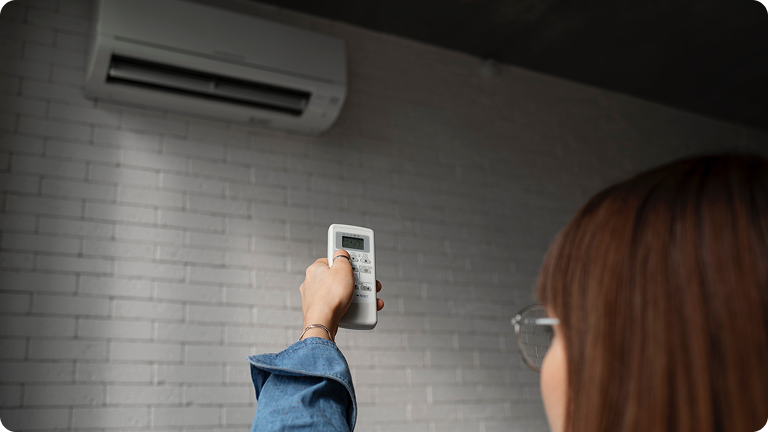

Your Trusted Local AC Experts
When the summer heat hits, you need an air conditioning system you can rely on. At Jim's Air Systems, we specialize in keeping your home cool and comfortable. Whether you need an emergency repair, a seasonal tune-up, or a brand new high-efficiency air conditioner, our family is here to help.
Our Air Conditioning Services include

AC Repair
We service all makes and models, quickly diagnosing and fixing any issue.
AC Installation & Replacement
Get a perfectly sized, high-efficiency system with our owner-led design and installation process.
AC Maintenance
Prevent breakdowns and improve efficiency with our comprehensive AC tune-ups.
Signs You Needs AC Service
.svg)
Ready for a Cooler, More Comfortable Home?
Whether you need an emergency repair or a free estimate on a new, energy-efficient air conditioner, our family is ready to provide honest advice and expert service. Contact us today!