
Inconsistent Cooling and Heating Performance Demands Immediate Attention
Is your mini-split system failing to maintain comfortable temperatures, or has it suddenly stopped working altogether? You might be facing complex technical failures just when the Orinda weather demands reliable climate control, leaving you worried about potential replacement costs and repair timelines. Call us immediately to schedule a diagnostic visit or to discuss financing options for a new system.
Homeowners dealing with ductless system malfunctions need swift, professional intervention to restore comfort.
- Receive a certified technician visit within 24 hours to diagnose the issue accurately.
- Access transparent pricing structures with no hidden fees and flexible financing options for major repairs or replacements.
- Benefit from full warranty coverage on all parts and labor, ensuring long-term peace of mind.
- All installation and repair services fully comply with California building codes and Title 24 energy standards for safe operation.
Comprehensive Mini-Split Solutions Available Today
When a ductless heating and cooling system malfunctions, the solution requires more than a simple filter change. Modern mini-splits utilize sophisticated inverter technology and complex electronic control boards that demand specialized attention. Jims Air Systems provides a holistic approach to service, addressing everything from minor calibration adjustments to complete system overhauls for residents in Orinda, CA.
Diagnostic and Repair Scope
Effective service begins with a deep analysis of the system’s current operation. Unlike traditional central air conditioners, mini-splits rely on communication lines between indoor and outdoor units to modulate compressor speeds. Service appointments focus on identifying communication errors, refrigerant leaks, or sensor failures that lead to inefficiency.
Technicians arrive equipped to handle:
- Refrigerant Leak Detection: Locating and sealing microscopic leaks in the line set that cause coils to freeze and efficiency to plummet.
- Inverter Board Troubleshooting: Diagnosing electrical faults in the printed circuit boards (PCBs) that control the variable speed compressor.
- Condensate Drainage Correction: Clearing blockages in the drain line or pump that cause water to leak down the wall or damage the interior unit.
- Blower Wheel Cleaning: Removing mold and dust buildup from the barrel fan to restore proper airflow and eliminate musty odors.
Installation and Retrofitting
For homes requiring a new setup, the focus shifts to load calculation and zoning. A "one-size-fits-all" approach results in short-cycling and humidity issues. Professional service includes calculating the specific BTU requirements for each room or "zone" to ensure the equipment runs at optimal efficiency. This includes selecting between wall-mounted units, floor consoles, or ceiling cassettes based on the architectural constraints of the room.
Preventative Maintenance Protocols
Routine care is essential for the longevity of ductless systems. The tight tolerance of inverter compressors means they are less forgiving of neglect than older, single-stage units. Comprehensive maintenance includes deep cleaning the evaporator coils, checking the torque on electrical connections to prevent overheating, and verifying that the flare connections on refrigerant lines remain tight and leak-free.
The Installation and Replacement Process
A flawless installation is the single most important factor in the lifespan of a mini-split system. Improper flaring of copper lines or inadequate vacuuming of the system accounts for a significant percentage of premature failures. The process follows a strict, technical workflow designed to ensure the system operates according to the manufacturer's engineering specifications.
Site Assessment and System Design
The process begins with a Manual J load calculation. This engineering calculation determines exactly how much heating and cooling capacity is required for the specific square footage, taking into account window placement, insulation levels, and sun exposure.
- Technicians verify the electrical panel capacity to ensure it can support the new heat pump equipment.
- Locations for the outdoor condenser are selected to minimize noise transfer and maximize airflow.
- Indoor unit placement is mapped out to ensure even air distribution without creating uncomfortable drafts.
Mounting and Line Set Installation
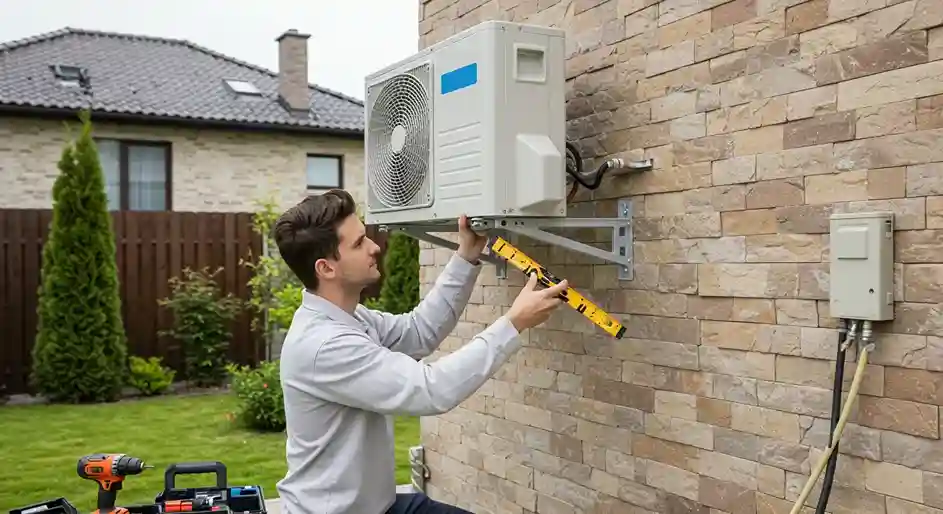
Once the design is finalized, physical installation commences. This involves precise drilling through exterior walls to run the line set—the bundle containing copper refrigerant tubes, the drain line, and the communication wire.
- Wall brackets or concrete pads are installed to secure the outdoor unit, keeping it level and elevated off the ground to prevent debris accumulation.
- Indoor units are mounted on specialized backing plates tailored to the wall structure, ensuring they are vibration-free and secure.
- Copper lines are cut, deburred, and flared with precision tools to create a perfect seal against the service valves.
Critical System Start-Up Procedures
Before the system is turned on, it must undergo rigorous testing. Simply connecting the pipes and opening the valves is insufficient.
- Pressure Testing: The system is pressurized with dry nitrogen to a high PSI to ensure there are absolutely no leaks in the new connections.
- Vacuum Decay Test: A vacuum pump removes all moisture and non-condensable gases from the lines. Technicians wait for the micron gauge to stabilize, proving the system is tight and dry.
- Refrigerant Charge Adjustment: If the line set length exceeds the pre-charged amount, additional refrigerant is weighed in with a digital scale to match the exact specifications.
Deciding Between Repair and System Replacement
Homeowners often face a difficult choice when a mini-split breaks down: is it worth fixing, or is it time to upgrade? This decision relies on a combination of financial logic, equipment age, and technical viability. Making the wrong choice can result in throwing good money after bad or replacing a unit that still had years of service life remaining.
The Age and Refrigerant Factor
The HVAC industry has seen significant shifts in refrigerant standards. If the current system utilizes R-22 refrigerant, repair is rarely a viable option due to the phased-out status of this chemical and the exorbitant cost of obtaining it. Systems over 10 to 12 years old using obsolete refrigerants should almost always be replaced with newer models that use R-410A or R-32, which offer superior efficiency and environmental compliance.
The Cost-to-Repair Threshold
A general industry standard for decision-making is the "50% Rule." If the cost of the repair approaches or exceeds 50% of the value of a new system, replacement is the more prudent financial decision.
- Major Component Failure: If the compressor or the main inverter board fails out of warranty, the repair cost is often prohibitively high. These are the heart and brain of the system; failure here usually indicates the unit is near the end of its life.
- Minor Component Failure: Issues with sensors, condensate pumps, or fan motors are generally cost-effective to repair, provided the rest of the system is in good condition.
Efficiency and Performance Metrics
Older mini-splits may function but fail to deliver the energy savings expected from ductless technology. Modern systems offer SEER (Seasonal Energy Efficiency Ratio) ratings well into the 20s and 30s. If the existing unit has a low SEER rating and energy bills are climbing, replacing it with a high-efficiency heat pump can offset the installation cost through monthly utility savings over time.
Critical Local Considerations for Homeowners
Operating HVAC equipment in Orinda, CA, requires specific attention to the local Mediterranean climate and regulatory environment. The region experiences wet, mild winters and hot, dry summers, which places unique demands on heat pump systems. Unlike areas with extreme freezing, this climate is ideal for heat pumps, but only if they are installed and maintained correctly.
Climate-Specific Performance
The dry heat of the summer puts a significant load on the condensing unit. The outdoor coil must be kept free of debris and dust, which are common in the dry season, to maintain heat exchange efficiency. Conversely, during the wet winters, the system operates in heating mode.
- Defrost cycles must be functioning correctly to prevent ice buildup on the outdoor unit during chilly, damp mornings.
- Drainage systems must be routed effectively to handle condensate production during both cooling and heating cycles, preventing water damage to the home’s foundation or siding.
Permitting and Title 24 Compliance
California maintains some of the strictest building codes in the nation regarding energy efficiency.
- Title 24 Standards: Any substantial alteration or new installation of HVAC equipment triggers Title 24 requirements. This may involve duct testing (if applicable), refrigerant charge verification, and fan watt draw testing by a HERS rater.
- Electrical Upgrades: Converting from gas heating to an electric mini-split heat pump may require upgrading the electrical panel or adding dedicated circuits to handle the amperage load, all of which require municipal permits.
Topography and Unit Placement
The hilly terrain often found in this area impacts installation logistics. Outdoor units must be placed on level ground or mounted securely on brackets.
- Avoid placing units in low-lying areas where water pools during winter rains.
- Ensure the unit is not installed near bedrooms or neighbor property lines where operating noise could violate local noise ordinances, even though modern mini-splits are whisper-quiet.
Why Professional Execution Matters
The complexity of ductless mini-split systems leaves zero margin for error. Unlike window units that can be plugged in and forgotten, these are permanent fixtures that integrate with the home’s electrical and structural systems. Professional execution ensures that the investment yields the expected comfort and energy savings.
Technical Expertise vs. General Handyman Work
Mini-splits use proprietary technology that varies by manufacturer. A generic approach does not work.
- Torque Specifications: Flare nuts must be tightened to specific torque settings. Overtightening cracks the copper; undertightening causes leaks. Certified technicians use torque wrenches to ensure exact adherence to specs.
- Electrical Safety: Inverter systems involve high-voltage DC current conversion. Mishandling these components poses severe safety risks and can instantly fry expensive control boards.
Long-Term Reliability and Warranty Protection
Manufacturers of top-tier mini-split brands often require proof of professional installation to honor warranties. If a compressor fails three years down the line, a manufacturer may void the warranty if the homeowner cannot prove the system was installed by a licensed contractor who performed the necessary pressure tests and evacuations. Jims Air Systems ensures every step is documented and compliant, protecting the homeowner's investment.
Cleanliness and Aesthetic Integrity
One of the main draws of mini-splits is their low profile. A professional installation minimizes the visual impact on the home.
- Line set covers (Line-Hide) are used to encase exterior pipes, protecting them from UV damage and blending them into the siding.
- Interior penetrations are sealed and finished neatly, ensuring no drafts or pests can enter through the wall hole.
Properly functioning heating and cooling are non-negotiable for maintaining a safe and comfortable home environment. Whether the situation calls for an emergency repair of a communication error, a routine cleaning of a blower wheel, or a full system replacement to meet modern energy standards, decisive action yields the best results.
Call Now
Secure your home comfort today by reaching out to our team for a comprehensive assessment — contact us today.

Your Trusted Local AC Experts
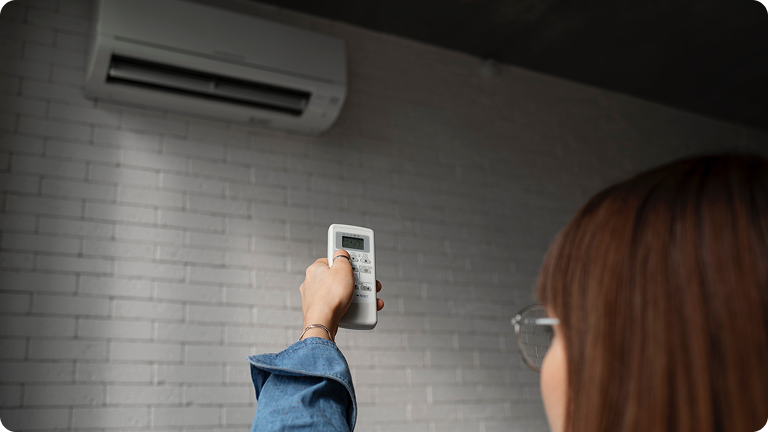
When the summer heat hits, you need an air conditioning system you can rely on. At Jim's Air Systems, we specialize in keeping your home cool and comfortable. Whether you need an emergency repair, a seasonal tune-up, or a brand new high-efficiency air conditioner, our family is here to help.
Our Air Conditioning Services include

AC Repair
We service all makes and models, quickly diagnosing and fixing any issue.
AC Installation & Replacement
Get a perfectly sized, high-efficiency system with our owner-led design and installation process.
AC Maintenance
Prevent breakdowns and improve efficiency with our comprehensive AC tune-ups.
Signs You Needs AC Service
.svg)
Ready for a Cooler, More Comfortable Home?
Whether you need an emergency repair or a free estimate on a new, energy-efficient air conditioner, our family is ready to provide honest advice and expert service. Contact us today!