
Is Your Heater Ready for the Cold Season?
With Livermore's cold nights creeping in, is your heating system up to the task? Don't wait for a breakdown when reliable, swift service can ensure your comfort; contact us today to schedule a diagnostic or discuss financing options. A malfunctioning heater in the middle of winter disrupts your routine and compromises the safety and comfort of your home. Jims Air Systems provides the technical expertise required to restore warmth efficiently, ensuring your system operates safely when you need it most.
- Get same-day heating service — no more cold, uncomfortable nights.
- Benefit from industry-leading warranties for every repair and installation.
- 24/7 service to address heating emergencies anytime.
Fully licensed and compliant with local codes, providing peace of mind with every service.
Comprehensive Heating Services for Immediate Comfort
When your heating system fails, the priority is immediate restoration of function. Modern heating equipment is complex, relying on a synchronized interaction between electrical components, gas or refrigerant lines, and airflow systems. A failure in one area can cause the entire system to shut down or operate inefficiently. Professional service addresses these issues at the source, moving beyond temporary fixes to establish long-term reliability.
Diagnostic and Troubleshooting Protocols
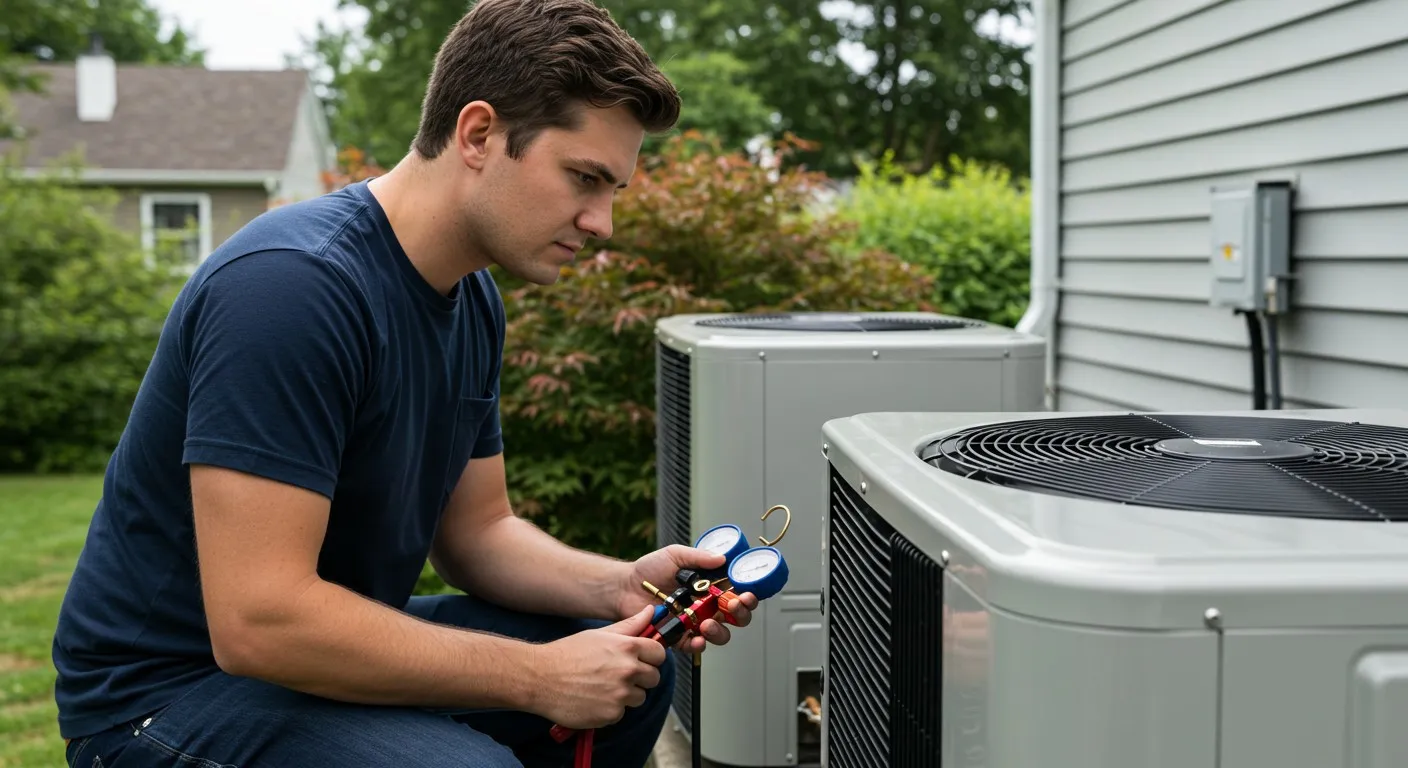
Effective repair begins with accurate diagnostics. Technicians arrive equipped with advanced testing tools to measure static pressure, voltage drops, and gas pressure. This data-driven approach identifies the root cause of the failure rather than just the symptom. Common issues addressed during a service call include:
- Ignition Failure: Troubleshooting faulty pilots, electronic igniters, or flame sensors that prevent the burners from firing.
- Airflow Restrictions: Identifying blockages in the filter, evaporator coil, or ductwork that cause the system to overheat and shut down.
- Thermostat Communication: Resolving wiring issues or calibration errors that prevent the thermostat from sending the correct signals to the furnace or heat pump.
- Mechanical Wear: Inspecting belts, bearings, and blower motors for signs of fatigue that lead to noise and eventual failure.
Emergency Repair Execution
Heating emergencies often occur outside of standard business hours. The response strategy focuses on minimizing downtime. Service trucks are stocked with universal parts, including capacitors, contactors, control boards, and gas valves, to facilitate repairs on the initial visit. If a specific OEM part is required, supply chain relationships ensure rapid procurement. The goal is to restore heat to the property safely and quickly, preventing frozen pipes or unsafe indoor temperatures during Livermore's colder nights.
Routine Maintenance and Tune-Ups
Preventative maintenance is the most effective method for extending the lifespan of a heating system. A comprehensive tune-up involves cleaning, inspection, and calibration. Technicians clean the burner assembly to ensure efficient combustion, inspect the heat exchanger for cracks that could leak carbon monoxide, and tighten all electrical connections. Lubricating moving parts reduces friction and energy consumption. This proactive approach uncovers minor issues before they escalate into major breakdowns, ensuring the system runs at peak efficiency throughout the season.
The Heating Installation and Replacement Process
Installing a new heating system is a significant investment that requires precise planning and execution. The performance of a furnace or heat pump depends entirely on the quality of the installation. A unit that is perfectly engineered will fail to deliver comfort if it is improperly sized or installed without regard for the home’s unique infrastructure.
Sizing and Load Calculation
The process begins with a manual load calculation. This engineering standard assesses the heating requirements of the specific property. Factors influencing this calculation include:
- Total square footage and ceiling height.
- Insulation levels in the attic, walls, and crawl spaces.
- Window type, quality, and orientation.
- Local climate data for Livermore.
Oversized units cycle on and off frequently, leading to temperature swings and premature wear. Undersized units run continuously without ever reaching the set temperature. Correct sizing ensures the equipment matches the thermal load of the home.
Removal and Site Preparation
Removing the old unit involves more than just disconnecting wires. Technicians safely handle gas line disconnections and reclaim any refrigerant if a heat pump is involved. The workspace is prepped to protect flooring and surrounding areas. Existing ductwork is inspected for leaks or damage. If the plenum (the transition between the unit and the ducts) is damaged, it is modified or replaced to ensure an airtight seal. This preparation phase is critical for maximizing the airflow and efficiency of the new system.
Installation and Integration
The installation phase follows a strict sequence to ensure safety and compliance.
- First, the new unit is positioned and leveled to ensure proper drainage of condensate (for high-efficiency condensing furnaces).
- Next, gas lines are connected and leak-tested using electronic detectors and bubble solutions.
- Then, the flue vent is installed. Proper venting is crucial for expelling combustion gases safely outside the home.
- Electrical connections are made, adhering to all local voltage and amperage requirements.
- Finally, the thermostat is upgraded or rewired to accommodate the new system’s features, such as multi-stage heating or variable-speed blowers.
Final Testing and Calibration
Before the job is considered complete, the system undergoes a rigorous commissioning process. Static pressure is measured to verify airflow is within the manufacturer's specified range. The temperature rise—the difference between the air entering and leaving the furnace—is adjusted to optimal levels. Gas pressure is fine-tuned at the manifold to ensure the correct BTU output. Technicians also verify that all safety switches, such as limit switches and rollout switches, are functioning correctly.
Repair vs. Replace: Making the Financial Decision
Homeowners often face the difficult choice between repairing an aging system or investing in a replacement. This decision should be based on data, safety, and financial projections rather than guesswork. Several key indicators help clarify the best path forward.
Analyzing the Age of the System
Heating systems typically have a service life of 15 to 20 years. As a system approaches the end of this window, the risk of catastrophic failure increases. Metal fatigue in the heat exchanger and wear on the compressor (in heat pumps) become critical issues. If the equipment is over 15 years old and requires a significant repair, replacement is often the more prudent financial choice to avoid throwing money at a dying asset.
The Cost of Repairs vs. Value
Industry professionals often use the "50% Rule" as a guideline. If the cost of the repair approaches or exceeds 50% of the current market value of the system (or the cost of a new unit), replacement is recommended. Furthermore, if the system requires frequent repairs—even minor ones—the cumulative cost can quickly outpace the monthly financing cost of a modern, warrantied system.
Efficiency Ratings and Energy Savings
Older furnaces often operate at 60% to 70% AFUE (Annual Fuel Utilization Efficiency). This means 30 to 40 cents of every dollar spent on gas is wasted up the flue. Modern systems can achieve ratings up to 98% AFUE. Jims Air Systems helps homeowners calculate the potential return on investment by comparing current utility bills against the projected savings of a high-efficiency unit. In many cases, the energy savings alone can offset a significant portion of the installation cost over time.
Safety Concerns
Safety is the ultimate deciding factor. A cracked heat exchanger represents a serious carbon monoxide hazard. In such cases, repair is rarely a viable option due to liability and safety risks. If a system is deemed unsafe, immediate replacement is necessary to protect the occupants of the home.
Navigating Local Climate and Building Requirements
Operating a heating system in California requires an understanding of specific environmental and regulatory conditions. The local climate presents unique challenges that standard equipment settings may not address without local expertise.
Addressing Seasonality and Thermal Shock
The region is characterized by hot, dry summers and mild winters that can still see temperatures drop significantly at night. This "thermal shock" places stress on HVAC systems, particularly heat pumps that must switch between cooling and heating modes. Systems that sit dormant during the transitional spring and fall months may develop issues that only become apparent during the first freeze. Preparing the system for these shifts is essential. Services often include checking the defrost cycle on heat pumps to ensure they can handle morning frost without locking up.
Permits, Codes, and Title 24 Compliance
Heating work in the area is subject to strict building codes, including California's Title 24 energy efficiency standards. These regulations dictate everything from the efficiency rating of the new unit to the amount of duct leakage allowed.
- Permit Acquisition: Professional service providers handle the application and filing of all necessary city permits. This ensures the installation is legal and recorded with the municipality.
- Duct Testing: Title 24 often requires third-party verification of duct sealing. Technicians ensure ductwork is sealed with mastic and mesh to meet these rigorous tightness standards.
- Thermostat Requirements: Regulations may mandate the installation of programmable or smart thermostats to reduce energy waste.
- Safety Inspections: A final inspection by a city official is typically required to close the permit. Ensuring the installation passes this inspection on the first attempt avoids delays and potential fines.
Why Professional HVAC Service Matters
Attempting to service heating equipment without professional training carries significant risks. HVAC systems involve high-voltage electricity, combustible gases, and pressurized refrigerants. The margin for error is nonexistent.
Technical Expertise and Certification
Certified technicians undergo rigorous training to understand thermodynamics, electrical theory, and fluid dynamics. They are trained to handle refrigerants according to EPA regulations and to work with natural gas safely. This expertise ensures that repairs are performed correctly, preventing secondary damage to the system.
Warranty Preservation
Most manufacturers require proof of professional maintenance and repair to uphold the equipment warranty. DIY repairs or service performed by unlicensed individuals can void these warranties, leaving the homeowner liable for the full cost of future replacements (like a compressor or heat exchanger). Professional documentation proves that the system has been cared for according to manufacturer's specifications.
Advanced Tooling
Diagnosing modern HVAC issues requires more than a multimeter. Professionals utilize combustion analyzers, digital manometers, thermal imaging cameras, and refrigerant leak detectors. These tools provide the precision necessary to tune a system to factory specifications, ensuring maximum comfort and efficiency.
Book Your Heater Service Now
When you choose professional service, you are investing in the longevity of your home’s infrastructure. The focus shifts from merely fixing a breakdown to optimizing the entire heating environment for safety, efficiency, and consistent warmth. Don't let a heating issue compromise your comfort or safety this season. Secure your appointment now to ensure your system is running at peak performance. Get your heating system fixed or replaced today—schedule your service.

Your Trusted Local AC Experts
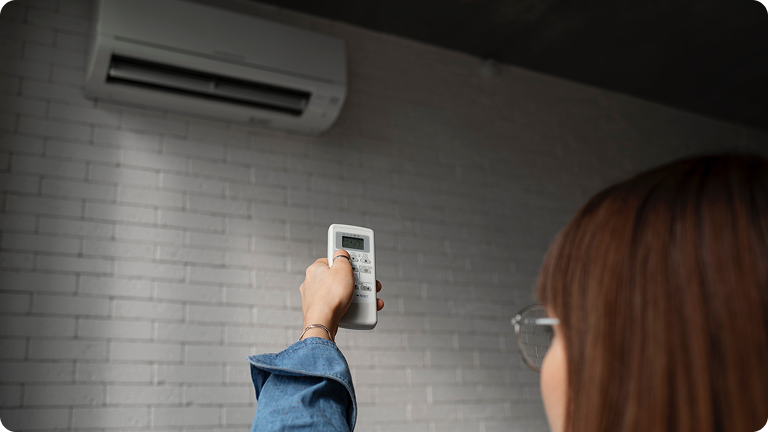
When the summer heat hits, you need an air conditioning system you can rely on. At Jim's Air Systems, we specialize in keeping your home cool and comfortable. Whether you need an emergency repair, a seasonal tune-up, or a brand new high-efficiency air conditioner, our family is here to help.
Our Air Conditioning Services include

AC Repair
We service all makes and models, quickly diagnosing and fixing any issue.
AC Installation & Replacement
Get a perfectly sized, high-efficiency system with our owner-led design and installation process.
AC Maintenance
Prevent breakdowns and improve efficiency with our comprehensive AC tune-ups.
Signs You Needs AC Service
.svg)
Ready for a Cooler, More Comfortable Home?
Whether you need an emergency repair or a free estimate on a new, energy-efficient air conditioner, our family is ready to provide honest advice and expert service. Contact us today!