
Unpredictable Indoor Temperatures and Rising Energy Costs Require Immediate Action
Experience extreme seasonal shifts in Livermore that push your HVAC system to its limits? You are not alone—many homeowners face high repair costs and discomfort due to inadequate maintenance, so contact us today to schedule a comprehensive tune-up or discuss financing options for a new system.
- Enjoy same-day service to get your system back on track quickly.
- Benefit from comprehensive maintenance plans that reduce long-term costs.
- Receive transparent pricing and flexible financing options.
All services are fully licensed and come with robust warranties.
Maintaining a comfortable home environment in the Tri-Valley area requires a heating and cooling system that operates at peak efficiency. With summer temperatures frequently soaring above 90°F and winters bringing damp chill, a neglected system leads to compounded mechanical stress. Jims Air Systems provides rigorous inspection and tuning protocols designed to arrest wear and tear before it results in a total system failure. The focus remains on precision, safety, and extending the operational lifespan of your existing equipment.
Detailed Scope of Professional HVAC Maintenance
A superficial glance at your thermostat is not enough to guarantee performance when the weather turns extreme. Professional maintenance involves a deep dive into the electromechanical components of your unit. The goal is to return the system to factory specifications, ensuring that the energy you pay for is actually converted into comfortable air rather than wasted heat or mechanical friction.
Air Conditioning and Cooling Protocols
During the hot summer months in Livermore, your AC unit bears a heavy load. A comprehensive tune-up addresses the specific failure points associated with high-ambient temperature operation.
- Condenser Coil Cleaning: The outdoor unit is exposed to dust, pollen, and debris common in the region. Dirty coils cannot release heat effectively, forcing the compressor to work harder. Technicians chemically clean these coils to restore heat transfer capabilities.
- Refrigerant Charge Verification: Incorrect refrigerant levels—whether too high or too low—can destroy a compressor. Technicians measure superheat and subcooling levels to ensure the charge is exact, preventing ice formation on coils and improving cooling capacity.
- Electrical Component Inspection: Capacitors, contactors, and wiring connections vibrate loose or wear out over time. Tightening connections and testing voltage ensures the unit starts reliable and runs without arcing or overheating.
- Condensate Drain Line Clearing: A clogged drain line can cause water damage to the home and increase humidity levels. The line is flushed to prevent algae growth and blockages.
Heating and Furnace Safety Checks
When the rainy season arrives, the focus shifts to combustion safety and airflow. Neglecting a furnace can lead to dangerous situations, including carbon monoxide leaks.
- Heat Exchanger Inspection: This is the most critical safety check. Technicians inspect for cracks or corrosion that could allow exhaust gases to mix with the air you breathe.
- Burner Assembly Cleaning: Dirty burners result in improper combustion, soot buildup, and reduced efficiency. Cleaning ensures a clean, blue flame and optimal heat generation.
- Flame Sensor and Ignitor Testing: If the flame sensor is oxidized, the furnace will shut down repeatedly as a safety precaution. Cleaning and testing these components ensures reliable ignition every time the thermostat calls for heat.
- Blower Motor Amp Draw: The motor that pushes air through your ducts is tested to ensure it is not pulling excess electricity, which signals impending bearing failure or motor burnout.

How the Maintenance Process Works
Securing the efficiency of your HVAC system is a structured process designed to minimize disruption to your day while maximizing the technical depth of the service. Understanding the workflow helps homeowners prepare for the visit and understand the value provided.
- System Assessment and Diagnostic Run: The technician begins by operating the system to listen for irregular sounds, monitor cycle times, and observe airflow patterns. This baseline assessment highlights immediate operational anomalies.
- Internal Component Access: Power is disconnected for safety, and access panels are removed to expose the internal blower, coils, and electrical compartments. This allows for a visual inspection of parts that are usually hidden.
- Precision Cleaning and Lubrication: Moving parts create friction. Blower motor bearings and other mechanical linkages are lubricated to reduce drag. Debris is removed from the cabinet to prevent it from recirculating into the home.
- Calibration and Adjustment: The thermostat is calibrated to ensure it reads the room temperature accurately. Gas pressure is adjusted on furnaces to match manufacturer specifications, ensuring the unit does not under-fire or over-fire.
- Final Performance Test: Once the physical work is complete, the system is restarted. The technician measures the temperature difference (Delta T) between the supply and return air to verify that the system is cooling or heating effectively.
- Report and Recommendations: You receive a clear breakdown of the work performed, the current health of the system, and any recommendations for proactive repairs if worn parts were identified.
Repair vs. Replace: Making the Right Financial Decision
Homeowners often struggle with the decision of whether to continue repairing an aging unit or to invest in a modern, energy-efficient replacement. While Jims Air Systems focuses on extending the life of your current equipment, there are mathematical and practical thresholds where replacement becomes the smarter financial move.
The 5000 Rule
A common industry benchmark used to evaluate the viability of a repair is the "5000 Rule." Multiply the age of your equipment by the estimated cost of the repair. If the total exceeds $5,000, replacement is generally the more economical choice. For example, a 15-year-old unit requiring a $400 repair (15 x 400 = 6,000) is a prime candidate for replacement, as the likelihood of another breakdown is high.
Efficiency Degradation
HVAC systems lose efficiency as they age. A unit installed 15 years ago likely had a SEER rating that is now considered obsolete. Modern systems can be significantly more efficient, meaning the monthly savings on utility bills can offset the cost of a new installation over time. If your energy bills in Livermore are steadily climbing despite regular usage, the equipment may no longer be capable of holding a charge or transferring heat effectively.
Frequency of Breakdowns
If you require emergency repairs more than once a year, the system has become unreliable. The cost of individual service calls, parts, and the inconvenience of downtime adds up. A "money pit" system often fails during the most extreme weather—right when you need it most. Transitioning to a new system provides warranty protection and peace of mind that an aging unit cannot offer.
Navigating Local Climate and Regulations
Operating an HVAC system in Livermore presents specific challenges dictated by the local geography and California state regulations. The dry heat of the valley places immense pressure on capacitors and compressors, leading to a higher rate of electrical failure compared to cooler coastal regions.
Regulatory Compliance and Efficiency Standards
California maintains some of the strictest energy codes in the nation, specifically Title 24. These standards dictate everything from duct sealing requirements to the minimum efficiency ratings of new equipment. Routine maintenance ensures that your system remains within the operational parameters intended by these regulations, keeping energy consumption low and avoiding penalties or complications during property sales.
Seasonality and Usage Patterns
The viticulture-friendly climate means distinct seasons. The transition from the rainy season to the high heat of summer is critical. Systems that sit idle or run intermittently during the mild spring months often seize up when the first heatwave hits. Pre-season maintenance is essential to clear out the dust and oxidation that accumulates during periods of inactivity. Furthermore, local utility rebate programs often incentivize the maintenance and installation of high-efficiency units, making it financially beneficial to stay ahead of the curve.
Managing Air Quality in an Agricultural Region
Being situated near agricultural zones and vineyards means that particulate matter, dust, and pollen are prevalent in the air. This significantly shortens the lifespan of standard air filters. Professional maintenance includes an evaluation of the filtration system to ensure it is adequate for the local air quality load, protecting both the equipment and the respiratory health of the occupants.
Strategic Advantages of Professional Care
Opting for professional maintenance is not merely about fixing what is broken; it is about optimizing the entire home comfort system. The technical expertise required to diagnose potential issues before they become catastrophes separates professional service from basic handyman work.
Advanced Diagnostic Tools
Modern HVAC equipment relies on complex electronics and sensor arrays. Technicians utilize advanced diagnostic tools, such as digital manifolds, combustion analyzers, and thermal imaging cameras, to detect issues that are invisible to the naked eye. This precision allows for the identification of micro-leaks in refrigerant lines or hotspots in electrical panels that would otherwise go unnoticed until they caused a failure.
Warranty Preservation
Most equipment manufacturers require proof of regular professional maintenance to keep warranties valid. Skipping annual tune-ups can void the manufacturer’s warranty, leaving the homeowner responsible for the full cost of expensive parts like compressors or heat exchangers. Documented service history serves as proof that the system has been cared for according to the manufacturer’s guidelines.
Safety and Liability
Gas-fired furnaces involve combustible fuel and high-voltage electricity. Improper handling can result in fire hazards or gas leaks. Licensed professionals carry the necessary insurance and certifications to handle these hazards safely. This protects the homeowner from liability and ensures that all work meets local building codes and safety standards.
Secure Your Comfort and System Reliability
The comfort of your home should not be dictated by the reliability of an aging or neglected machine. Inconsistent temperatures, strange noises, and rising energy bills are clear indicators that professional intervention is necessary. By investing in regular, high-quality maintenance, you protect your property value, lower your monthly overhead, and ensure that your indoor environment remains a sanctuary against the scorching summers and damp winters of the region.
Don't wait for a total system failure during a heatwave. Contact Jims Air Systems today to schedule your comprehensive HVAC maintenance and ensure your home remains comfortable year-round.
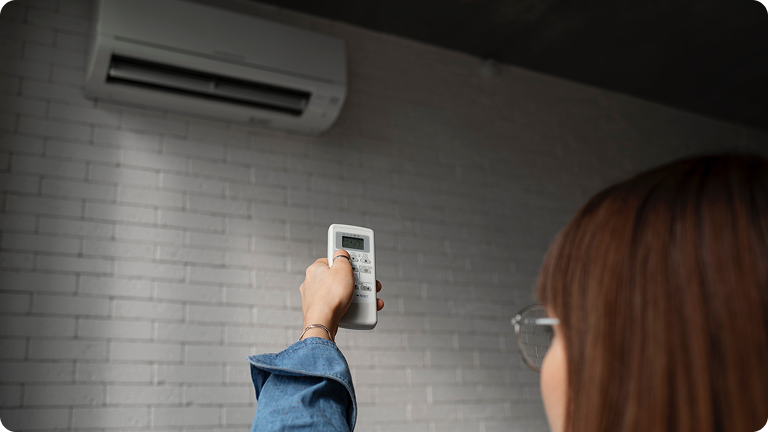

Your Trusted Local AC Experts
When the summer heat hits, you need an air conditioning system you can rely on. At Jim's Air Systems, we specialize in keeping your home cool and comfortable. Whether you need an emergency repair, a seasonal tune-up, or a brand new high-efficiency air conditioner, our family is here to help.
Our Air Conditioning Services include

AC Repair
We service all makes and models, quickly diagnosing and fixing any issue.
AC Installation & Replacement
Get a perfectly sized, high-efficiency system with our owner-led design and installation process.
AC Maintenance
Prevent breakdowns and improve efficiency with our comprehensive AC tune-ups.
Signs You Needs AC Service
.svg)

Frequently Asked Questions

We recommend having your air conditioning system professionally serviced once a year, ideally in the spring, to ensure it's ready for the summer heat.
Yes! Jim’s Air Systems is a family-owned and operated business. We take pride in delivering honest, reliable service and treating our customers like family, with a strong focus on quality workmanship and long-term relationships.
A trained, licensed HVAC professional from Jim’s Air Systems will visit your home for the estimate. Our technician will assess your needs, answer your questions, and provide a clear, upfront estimate with no pressure or hidden fees.
Ready for a Cooler, More Comfortable Home?
Whether you need an emergency repair or a free estimate on a new, energy-efficient air conditioner, our family is ready to provide honest advice and expert service. Contact us today!