
Eliminate Inconsistent Cooling and Rising Energy Costs
Beat the Pittsburg heat with reliable, quick HVAC installations that restore comfort to your home immediately. Don’t let another uncomfortable summer pass by or risk a total system failure during a heatwave; ensure your home stays cool with professional service you can trust. Contact us today at [tel:] to schedule your comprehensive site evaluation or apply for flexible financing options online.
- Expert installation with priority scheduling options for urgent replacements.
- Energy-efficient units professionally fitted to significantly reduce your monthly utility bills.
- Comprehensive manufacturer and labor warranties that ensure long-term peace of mind.
All installations by Jims Air Systems are fully licensed, comply with strict California Title 24 codes, and come with attractive financing options to fit your budget.
Why Reliable HVAC Installation Matters in Hot Climates
Living in the East Bay area means contending with a specific Mediterranean climate that puts significant stress on residential cooling systems. While winters are generally mild and wet, the summer months bring dry, intense heat that frequently pushes temperatures into the 90s and occasionally breaks the triple-digit mark. In this environment, an HVAC system is not a luxury; it is a critical component of home infrastructure. A reliable installation ensures that your indoor environment remains safe and comfortable, regardless of how high the mercury rises outside.
Inefficient or improperly installed units often struggle to keep up with the rapid temperature spikes common in Pittsburg. When a system is undersized or installed without proper duct sealing, it runs continuously without ever achieving the desired set temperature. This essentially throws money away through high electrical usage while failing to provide relief. Furthermore, the dry heat of the region requires a system that manages airflow effectively to prevent the air inside the home from becoming stale or uncomfortable.
Modern HVAC installation focuses on matching the equipment specifically to the thermal characteristics of the home. This involves more than just swapping out a box; it requires understanding the heat load of the property, the insulation levels, and the window exposure. A professional installation guarantees that the system can handle the peak summer loads without overworking, which extends the lifespan of the unit and prevents premature mechanical failures during the hottest weeks of the year.
Comprehensive HVAC Services: What We Offer and When
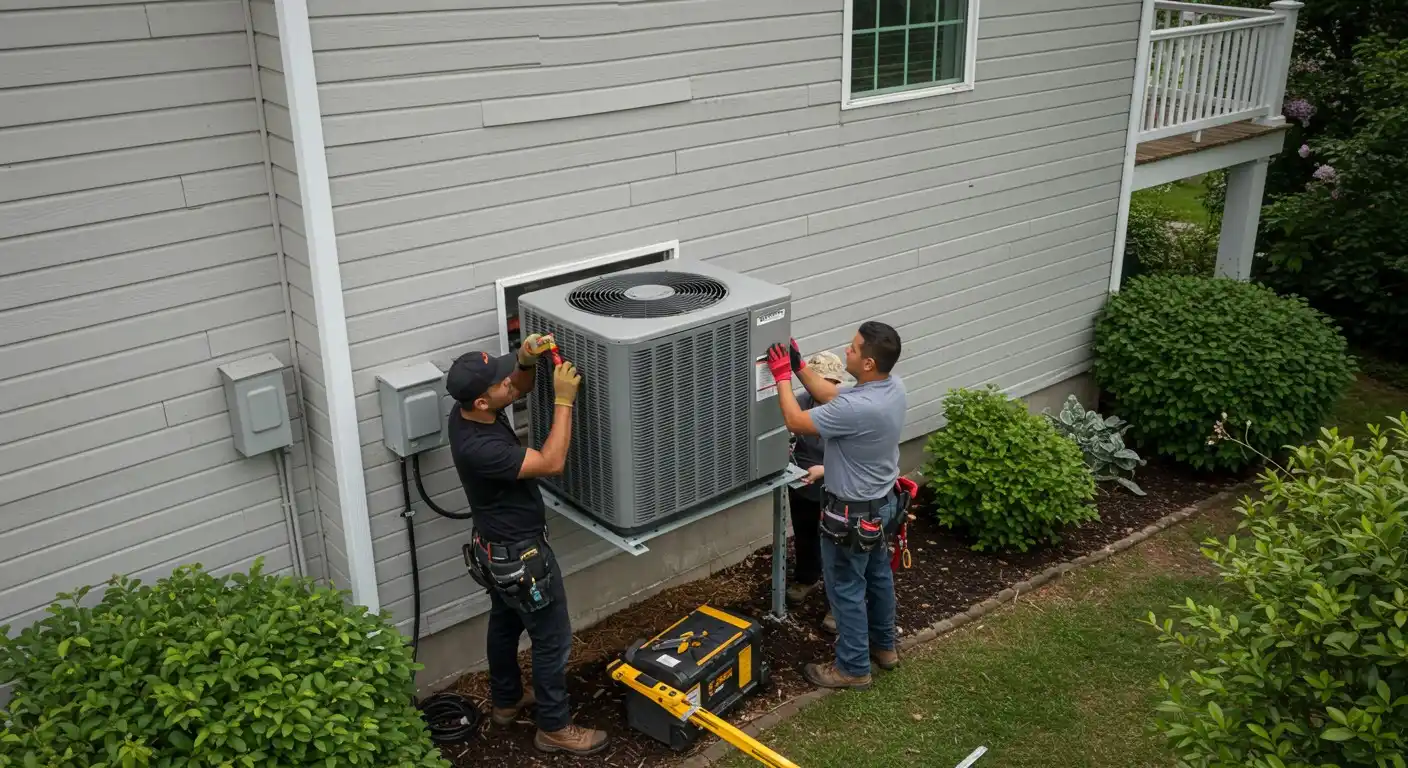
When you invest in a new HVAC system, you are purchasing a complete solution that includes removal, installation, and calibration. The scope of a professional installation goes far beyond simply placing a condenser in the backyard. It involves a holistic approach to air management that ensures every room in the house receives adequate airflow.
Services included in a standard installation typically cover:
- Site Evaluation and Load Calculation: Technicians perform a Manual J load calculation to determine the exact cooling requirements of the home. This prevents the common issues of oversizing (which causes short cycling and humidity issues) or undersizing (which leads to constant running and lack of cooling).
- Existing System Removal: Safe disconnection and environmentally responsible disposal of the old furnace, air handler, and condenser unit. This includes reclaiming old refrigerant according to EPA guidelines to prevent environmental contamination.
- Ductwork Inspection and Modification: Assessing the current air distribution system to ensure it can handle the airflow of the new, high-efficiency unit. Modifications or repairs to the plenum and transition ducts are performed to ensure airtight seals.
- Equipment Installation: precise placement of the indoor evaporator coil and outdoor condenser unit. This includes leveling the pad, installing vibration isolation pads, and securing the unit against seismic activity as required by California code.
- Electrical and Piping Connections: Upgrading electrical disconnects and whips to meet current safety standards, and brazing copper refrigerant lines with nitrogen purging to prevent oxidation within the system.
Timing is a critical factor in HVAC services. While planned replacements are ideal during the shoulder seasons of spring and fall, system failures often occur during peak usage in summer. Providers in the area are equipped to handle emergency replacements with expedited timelines, ensuring that homeowners are not left without cooling for extended periods.
Our HVAC Installation Process: Step-by-Step Guide
A structured installation process is the difference between a system that lasts 15 years and one that fails in five. We follow a rigorous protocol designed to ensure manufacturer specifications are met and local building codes are satisfied. This standardized approach minimizes errors and ensures consistent performance from day one.
- Initial Consultation and Sizing: The process begins with a detailed assessment of the home. Technicians measure square footage, check insulation ratings, and evaluate window orientation. This data informs the selection of the correct equipment capacity (measured in BTUs) and efficiency rating (SEER2).
- Workspace Preparation: Before any work begins, the installation team prepares the workspace. Drop cloths are laid down to protect flooring, and safety zones are established around electrical panels and outdoor units.
- Refrigerant Recovery: If replacing an existing unit, the old refrigerant is pumped out into recovery cylinders. This is a legal requirement and a critical safety step before cutting into copper lines.
- Equipment Removal: The old condenser and air handler are disconnected and removed. Technicians inspect the area for any signs of mold, rot, or structural issues that need to be addressed before the new unit is set in place.
- Indoor Unit Installation: The new furnace or air handler is positioned. The transition ductwork is fabricated to connect the new unit to the existing supply and return plenums. All joints are sealed with mastic or foil tape to prevent air leakage.
- Outdoor Unit Installation: The condenser is placed on a new composite or concrete pad. Proper clearance is verified to ensure adequate airflow around the coil.
- Line Set Connection: Copper refrigerant lines are connected between the indoor and outdoor units. Jims Air Systems technicians use high-quality brazing techniques to ensure leak-free joints. The lines are then pressure-tested with nitrogen to verify integrity.
- Vacuum and Charge: A deep vacuum is pulled on the system to remove moisture and non-condensables. Once the vacuum holds, the system is charged with the precise amount of refrigerant specified by the manufacturer.
- Commissioning and Testing: The system is powered on and tested. Technicians measure static pressure, temperature split (the difference between supply and return air temperature), and amperage draw. The thermostat is programmed, and the homeowner is briefed on operation.
Deciding Between HVAC Repair or Replacement: What You Need to Know
Homeowners often face the difficult decision of whether to repair a faltering unit or invest in a full replacement. While repairs can offer a short-term fix, there comes a point where sinking money into an aging system is no longer finically viable. Making the right choice requires analyzing the age of the unit, the cost of repairs, and the efficiency gains of modern technology.
Consider the following factors when making your decision:
- The 50% Rule: A general industry standard suggests that if the cost of the repair exceeds 50% of the value of a new system, replacement is the smarter financial move. This is particularly true if the unit is out of warranty.
- System Age: Most air conditioners and heat pumps have a lifespan of 10 to 15 years. If your unit is approaching or has exceeded this range, major components like the compressor are likely to fail soon. Replacing the unit proactively avoids emergency service calls.
- Frequency of Breakdowns: If you have required multiple repairs in the last two years, the system is likely unreliable. A new installation eliminates these recurring costs and the inconvenience of frequent downtime.
- Efficiency Ratings (SEER/SEER2): Older units often have SEER ratings of 10 or 12. Modern standards require a minimum of SEER2 14.3 in the southwest region. upgrading to a high-efficiency unit (16 SEER2 or higher) can reduce cooling costs by 20% to 40%, offering a return on investment through monthly savings.
- Refrigerant Type: Systems manufactured before 2010 typically use R-22 (Freon), which has been phased out. Repairing a leak in an R-22 system is prohibitively expensive due to the scarcity of the refrigerant. Modern systems use environmentally friendly R-410A or R-454B.
- Comfort Issues: If your current system results in hot and cold spots, excessive noise, or high humidity levels, these are often signs of improper sizing or failing components that a simple repair cannot fix. A new installation corrects these fundamental design flaws.
Adhering to California HVAC Regulations and Seasonal Considerations
California maintains some of the strictest building codes in the nation regarding energy efficiency and HVAC installations. Compliance with these regulations is mandatory and ensures that the system operates safely and efficiently. In Pittsburg and the surrounding Contra Costa County, specific protocols must be followed during any installation project.
- Title 24 Compliance: The California Energy Code (Title 24) requires specific efficiency standards for new installations and alterations. This often involves duct sealing and testing to ensure leakage is below a certain percentage (usually 5% or 15% depending on the scope). It may also require the installation of programmable thermostats and verifying correct refrigerant charge and airflow.
- Permitting: Building permits are required for HVAC replacements. This process involves submitting plans to the local building department and scheduling a final inspection. This third-party verification protects the homeowner by ensuring the work meets safety standards regarding gas lines, electrical connections, and venting.
- Rebate Programs: Various state and local utility programs offer rebates for upgrading to high-efficiency heat pumps or air conditioners. These incentives are often tied to specific SEER2 ratings and proper permitting.
- Seasonal Timing: The best time to schedule an installation is during the mild months of spring or late autumn. During these windows, demand is lower, allowing for more flexible scheduling. However, installation teams are fully staffed and prepared for emergency change-outs during the peak summer months to ensure residents are not left in dangerous heat conditions.
- Electrical Upgrades: Older homes in the region may have outdated electrical panels. Code compliance often requires a dedicated circuit and a specific type of disconnect box near the outdoor unit. Professional installers assess these needs upfront to prevent delays.
Why Choose Us: Our Credentials and Customer Commitments
Selecting a service provider for HVAC installation is a decision that impacts your home’s comfort for the next decade. We prioritize technical excellence, transparency, and adherence to all safety protocols. Our approach is built on providing homeowners with the data they need to make informed decisions without high-pressure sales tactics.
- Licensed and Insured: We operate with full state licensure, ensuring that all work is performed by qualified professionals. Our liability and workers' compensation insurance protect your property and our team throughout the project.
- Local Expertise: Understanding the specific load calculations required for homes in the Delta region allows us to size systems more accurately than national chains. We know how the local climate impacts equipment longevity.
- Quality Guarantee: We stand behind our workmanship. If an installation does not meet the agreed-upon standards, we return to correct it. We utilize only high-quality parts and materials, from the copper piping to the digital thermostats.
- Transparent Pricing: All costs are outlined in the initial proposal. There are no hidden fees for removal, disposal, or permitting. You will know the full investment required before any work begins.
- Flexible Financing: We understand that HVAC replacement is a significant investment. We offer various financing plans to help spread the cost over time, making high-efficiency comfort accessible to more homeowners.
Don't wait for your system to fail completely during the next heat spike. Securing a professional installation now ensures you have reliable, efficient cooling when you need it most. Trust Jims Air Systems to deliver a seamless installation experience that prioritizes your comfort and safety.
Upgrade Now for Reliable Cooling and Lower Bills
Don’t wait for your HVAC system to fail during the next heat spike. A professional, properly sized installation helps eliminate uneven temperatures, reduces energy waste, and protects your household from extreme summer heat. With code-compliant workmanship, accurate load calculations, and a process built for long-term reliability, Jims Air Systems delivers the dependable cooling solution Pittsburg homeowners need. Ready to upgrade your home comfort? Schedule your evaluation and explore financing today at https://jimsairsystems.com/ with Jims Air Systems.
Ready to upgrade your home comfort? Contact us today to schedule your free estimate and take the first step toward a cooler, more energy-efficient home.

Your Trusted Local AC Experts
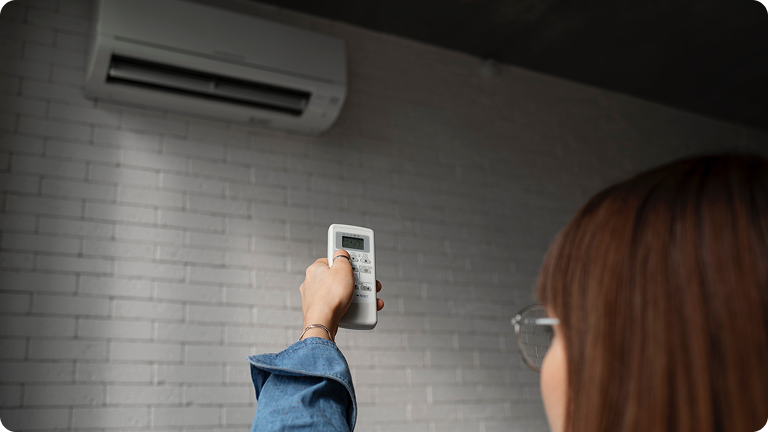
When the summer heat hits, you need an air conditioning system you can rely on. At Jim's Air Systems, we specialize in keeping your home cool and comfortable. Whether you need an emergency repair, a seasonal tune-up, or a brand new high-efficiency air conditioner, our family is here to help.
Our Air Conditioning Services include

AC Repair
We service all makes and models, quickly diagnosing and fixing any issue.
AC Installation & Replacement
Get a perfectly sized, high-efficiency system with our owner-led design and installation process.
AC Maintenance
Prevent breakdowns and improve efficiency with our comprehensive AC tune-ups.
Signs You Needs AC Service
.svg)

Frequently Asked Questions

We recommend having your air conditioning system professionally serviced once a year, ideally in the spring, to ensure it's ready for the summer heat.
Yes! Jim’s Air Systems is a family-owned and operated business. We take pride in delivering honest, reliable service and treating our customers like family, with a strong focus on quality workmanship and long-term relationships.
A trained, licensed HVAC professional from Jim’s Air Systems will visit your home for the estimate. Our technician will assess your needs, answer your questions, and provide a clear, upfront estimate with no pressure or hidden fees.
Ready for a Cooler, More Comfortable Home?
Whether you need an emergency repair or a free estimate on a new, energy-efficient air conditioner, our family is ready to provide honest advice and expert service. Contact us today!