
Unpredictable Indoor Temperatures Require Immediate Professional Attention
Inconsistent cooling during a heatwave or a furnace that short-cycles on a chilly night creates immediate stress for your household. When your comfort systems fail to regulate the temperature in your Pittsburg home, you need a technical team that responds with speed and precision to restore functionality. Contact us now to schedule a comprehensive maintenance inspection or emergency service to get your system back on track.
- Secure same-day service appointments to minimize downtime and discomfort.
- Leverage decades of technical experience in residential climate control diagnostics.
- Access emergency repair protocols that address critical failures immediately.
- Rest assured that all work remains compliant with local codes and is backed by solid workmanship guarantees.
Today's HVAC Maintenance Offerings: Scope and Reliability
Effective maintenance is not merely about changing a filter; it is a rigorous, multi-point inspection designed to reverse wear and tear. When technicians arrive at your property, the objective is to optimize the system's thermodynamics and mechanical efficiency. A properly tuned system uses less energy to produce the same amount of heating or cooling, directly impacting your utility costs.
In the Pittsburg area, where summer temperatures frequently climb into the mid-90s, the stress on your air conditioning unit is significant. Conversely, damp winters require a furnace that vents safely and burns fuel efficiently. The maintenance service provided today covers the entire spectrum of HVAC health, ensuring that every component, from the blower motor to the thermostat sensors, operates within manufacturer specifications.
Cooling System Maintenance Inclusions
For air conditioning units and heat pumps, the focus lies on heat transfer and airflow. Over time, debris builds up on coils, insulating them and preventing the system from absorbing heat from your home.
- Condenser Coil Cleaning: Technicians remove dirt, leaves, and cottonwood debris that clog the outdoor unit, allowing for proper heat dissipation.
- Refrigerant Level Check: The system requires a precise amount of refrigerant. Too little indicates a leak; too much damages the compressor. Gauges are used to ensure the charge meets the exact factory specs.
- Electrical Connection Tightening: Vibrations loosen wires over time. Tightening these prevents arcing, burnt wires, and sudden component failure.
- Capacitor Testing: Capacitors start the motors. Weak capacitors lead to compressor failure, which is a major expense. Testing them identifies parts that need preemptive replacement.
- Condensate Drain Clearing: Clogged drains cause water damage and trigger overflow safety switches that shut down the unit. Clearing the line ensures humidity is removed from the home effectively.
.webp)
Heating System Maintenance Inclusions
Furnace maintenance prioritizes safety, specifically regarding combustion gases and fire hazards.
- Heat Exchanger Inspection: This is the most critical safety check. Technicians look for cracks that could allow carbon monoxide to leak into the supply air.
- Burner Assembly Cleaning: Dirty burners result in improper combustion, soot buildup, and reduced efficiency. Cleaning ensures a blue, steady flame.
- Ignition System Testing: Whether your system uses a hot surface igniter or a pilot light, ensuring reliable ignition prevents "no heat" calls.
- Gas Pressure Calibration: Incorrect gas pressure can overheat the unit or produce insufficient heat. Manometers are used to set the pressure to the manufacturer’s rating.
- Blower Motor Amp Draw: Monitoring how hard the motor works helps predict failures and identifies if the motor needs lubrication or cleaning.
Our Maintenance Process: Technical Precision Step-by-Step
Understanding the workflow of a professional maintenance visit helps you prepare for the service. The process is designed to be non-intrusive yet thorough, providing a clear picture of your HVAC system's health. The goal is to leave the system running cleaner, quieter, and more efficiently than before.
- Initial Assessment and Safety Check: Upon arrival, the technician performs a visual inspection of the thermostat and the unit’s exterior condition. The system is run through a full cycle to listen for abnormal noises like grinding, rattling, or squealing, which indicate mechanical wear.
- System De-Energizing and Access: Power is cut to the unit for safety. Service panels are removed to access internal components. This allows for deep cleaning and the testing of electrical components without the risk of shock.
- Deep Cleaning and Lubrication: This is the labor-intensive portion of the visit. Moving parts that lack lubrication create friction, heat, and eventual seizure. Motors and bearings are lubricated where applicable. Coils are chemically cleaned if necessary to strip away grime.
- Diagnostic Testing: Using multimeters and specialized gauges, the electrical consumption of motors and the pressure of the refrigerant are measured. These data points are compared against the unit’s rating plate. Deviations serve as early warning signs of potential breakdowns.
- Re-Assembly and Performance Verification: Once cleaning and adjustments are complete, the unit is reassembled. The system is powered back on and observed for a sustained period to ensure it reaches the target temperature and maintains stable operation.
- Reporting and Recommendations: You receive a detailed report of the findings. If a part is near the end of its lifecycle, you are informed immediately. This transparency allows you to decide whether to replace a small part now or risk a larger failure later.
Deciding Between HVAC Repair or Replacement
Homeowners often face the difficult decision of whether to invest in another repair or to replace the entire system. This decision should be based on data and financial logic rather than emotion. While Jims Air Systems focuses on extending the life of your current unit, there are mathematical tipping points where replacement becomes the more prudent financial choice.
The Age Factor
Most air conditioners and heat pumps have a lifespan of 10 to 15 years, while furnaces can last 15 to 20 years. If your equipment in Pittsburg is approaching these milestones, major repairs may throw good money after bad.
- The 50% Rule: If the cost of the repair equals 50% or more of the value of a new system, replacement is generally the better option.
- Frequency of Breakdowns: If you have required repairs more than twice in the last two years, the system has become unreliable. The cumulative cost of service calls often exceeds the monthly payment of a new, efficient unit.
Efficiency and Technology Standards
Older units operate at much lower efficiency levels (SEER ratings) than modern standards require.
- Energy Bill Spikes: A steady increase in energy bills without a change in usage habits indicates internal wear and efficiency loss. New systems can lower cooling costs by 20% to 40%.
- R-22 Refrigerant Phase-Out: If your AC unit was built before 2010, it likely uses R-22 (Freon), which is no longer produced. Repairing a refrigerant leak in these units is exorbitantly expensive due to scarcity. Modern units use eco-friendly refrigerants that are readily available.
Comfort and Air Quality
Sometimes a unit runs but simply cannot keep up with the load.
- Uneven Temperatures: If some rooms are freezing while others are roasting, the system may be improperly sized or the ductwork may be compromised.
- Humidity Issues: Old systems often struggle to dehumidify effectively, leaving the home feeling clammy even when the temperature reading is correct.
Understanding Local HVAC Requirements and Weather Considerations
Operating an HVAC system in this region requires specific attention to local climate patterns and regulations. Pittsburg experiences a Mediterranean climate, which means the cooling season is long, dry, and intense, while the heating season is shorter but damp.
Regional Climate Stressors
- High Summer Load: With temperatures regularly hitting the 90s, air conditioners run for long cycles. This continuous operation generates significant heat within the compressor and motors. Without clean coils and proper airflow, this thermal stress leads to premature burnout.
- Marine Layer and Humidity: The proximity to the Delta brings moisture. In winter, this humidity can accelerate corrosion on outdoor units and heat exchangers. Regular inspection of the flue pipe and heat exchanger is vital to prevent rust-through, which causes safety hazards.
- Wildfire Season: In recent years, smoke and ash have become factors. Ash can clog outdoor condenser coils rapidly, acting like cement when it gets wet. High-efficiency air filtration is increasingly necessary to maintain indoor air quality during fire season.
Regulatory and Building Codes
California has some of the strictest energy codes in the nation, specifically Title 24.
- Duct Testing: When installing new equipment or performing major alterations, ductwork often must be tested for leakage. Leaky ducts account for significant energy loss.
- SEER2 Standards: New federal regulations have raised the minimum efficiency requirements for HVAC equipment installed in the Southwest region. Any new installation must meet these higher SEER2 ratings.
- Permitting: Most significant HVAC work, including furnace or AC replacements, requires a permit from the local building department. This ensures that the installation meets safety standards regarding gas piping, electrical connections, and venting. Professional providers handle this administrative burden, ensuring your home remains compliant for insurance and resale purposes.
Why Trust Us: Technical Expertise and Operational Integrity
Choosing a service provider involves looking beyond the price tag to the quality of the technical execution. The difference between a system that lasts 10 years and one that lasts 20 often comes down to the quality of the maintenance it receives.
Certified Technicians
You are not just hiring a person with a wrench; you are hiring a certified expert. Technicians undergo rigorous training to understand the physics of airflow, the chemistry of refrigerants, and the complexities of modern low-voltage control circuits. This expertise ensures accurate diagnostics. If a system is short-cycling, a novice might just replace the thermostat, whereas an expert will investigate the high-limit switch, airflow restrictions, or safety interlocks to find the root cause.
Transparent Communication
The focus is on providing information, not pressure. You receive a clear explanation of what is wrong, why it happened, and what options exist to fix it. Written estimates are provided before any work begins, eliminating surprise charges on the final invoice.
Stocked Service Vehicles
Efficiency extends to the service visit itself. Trucks are stocked with universal parts, capacitors, contactors, and motors. The goal is to resolve the issue in a single visit whenever possible, restoring your home to comfort without the delay of ordering common components.
Respect for Your Property
Technicians treat your home with care. This means using drop cloths to protect flooring, wearing shoe covers, and cleaning up the workspace thoroughly after the job is complete. The only evidence of the visit should be a perfectly comfortable home.
Long-Term Partnership
The relationship does not end when the truck drives away. By keeping detailed service records, Jims Air Systems can track the history of your equipment, predicting when components might fail and helping you budget for future replacements. This proactive approach transforms HVAC care from a series of emergency panic calls into a managed, predictable aspect of homeownership.
Secure Your Comfort and System Efficiency Today
Waiting until your system fails completely often results in higher repair costs and longer wait times during peak seasons. Proactive maintenance is the only way to ensure your heating and cooling systems are ready to handle the specific weather challenges of the region. Whether you need an urgent repair to get the AC running today or a scheduled tune-up to prepare for the season ahead, professional assistance is just a call away.
Invest in the longevity of your HVAC system and the comfort of your home.
Schedule your service appointment now to ensure reliable climate control year-round.
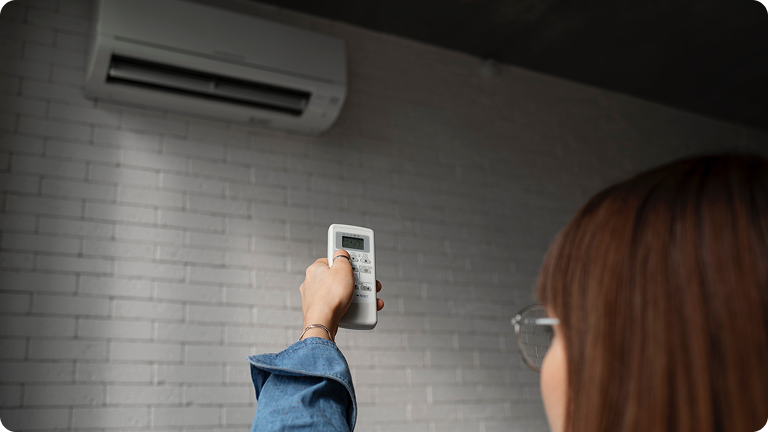

Your Trusted Local AC Experts
When the summer heat hits, you need an air conditioning system you can rely on. At Jim's Air Systems, we specialize in keeping your home cool and comfortable. Whether you need an emergency repair, a seasonal tune-up, or a brand new high-efficiency air conditioner, our family is here to help.
Our Air Conditioning Services include

AC Repair
We service all makes and models, quickly diagnosing and fixing any issue.
AC Installation & Replacement
Get a perfectly sized, high-efficiency system with our owner-led design and installation process.
AC Maintenance
Prevent breakdowns and improve efficiency with our comprehensive AC tune-ups.
Signs You Needs AC Service
.svg)

Frequently Asked Questions

We recommend having your air conditioning system professionally serviced once a year, ideally in the spring, to ensure it's ready for the summer heat.
Yes! Jim’s Air Systems is a family-owned and operated business. We take pride in delivering honest, reliable service and treating our customers like family, with a strong focus on quality workmanship and long-term relationships.
A trained, licensed HVAC professional from Jim’s Air Systems will visit your home for the estimate. Our technician will assess your needs, answer your questions, and provide a clear, upfront estimate with no pressure or hidden fees.
Ready for a Cooler, More Comfortable Home?
Whether you need an emergency repair or a free estimate on a new, energy-efficient air conditioner, our family is ready to provide honest advice and expert service. Contact us today!