
Fast, Reliable HVAC Maintenance When You Need It Most
Struggling with an unexpectedly malfunctioning HVAC as summer heats up in Antioch? Get immediate, professional help with a same-day service guarantee and contact us today for an appointment.
Unpredictable breakdowns can turn a comfortable home into a sauna during a heatwave or an icebox during a winter storm. We prioritize restoring your system’s functionality and efficiency, ensuring your indoor climate remains consistent regardless of the weather outside.
- 24/7 emergency service – We're here day and night.
- Transparent pricing – No surprises, just fair costs.
- Expert maintenance for all major HVAC brands to maximize longevity and efficiency.
Fully licensed and up-to-date on local permits for hassle-free servicing.
What You Get With Comprehensive System Maintenance
Effective HVAC maintenance goes far beyond simply swapping out a dirty air filter. A professional tune-up involves a rigorous, multi-point inspection and calibration designed to bring your system back to factory specifications. The primary goal is to identify minor wear and tear before it evolves into a catastrophic component failure that requires an expensive repair.
When Jims Air Systems arrives for a scheduled service, the focus is on the total health of the unit. This includes inspecting the electrical connections, measuring refrigerant levels, and ensuring proper airflow. Loose electrical connections can cause unsafe operation and reduce the life of major components, while improper refrigerant charges can damage the compressor, which is the heart of your air conditioning system.
The scope of a standard maintenance visit generally covers the following critical areas:
- Thermostat Calibration: Ensuring the thermostat reads the temperature correctly and communicates effectively with the furnace and AC unit prevents short-cycling, which wastes energy.
- Electrical Component Inspection: Technicians tighten all electrical connections and measure the voltage and current on motors. Faulty electrical parts can lead to system failures or even fire hazards.
- Lubrication of Moving Parts: Friction is the enemy of efficiency. Motors and bearings that lack lubrication work harder, use more electricity, and overheat faster.
- Condensate Drain Cleaning: A clogged drain can cause water damage to the house and affect humidity levels. Cleaning the line ensures moisture is properly removed from the system.
- System Controls Check: This ensures the starting cycle, operation, and shut-off sequence function properly for safe operation.
- Coil Cleaning: Dirty evaporator and condenser coils reduce the system's ability to cool your home and cause the system to run longer, increasing energy costs and reducing the life of the equipment.
By addressing these specific areas, the efficiency of the unit is preserved. An optimized system does not have to work as hard to maintain the desired temperature, which directly correlates to lower utility bills and a reduced carbon footprint. Furthermore, many manufacturers require proof of annual maintenance to keep warranties valid. Skipping these checks can inadvertently void the coverage on expensive parts like compressors or heat exchangers.
.webp)
The Maintenance Execution Process
Understanding what happens during a maintenance visit helps homeowners prepare and highlights the thoroughness of the service. The process is systematic, ensuring no component is overlooked and that the system is safe for continued operation.
Initial Assessment and Safety Check:
The technician begins by inspecting the area around the unit for safety hazards. This includes checking for gas leaks in furnaces or debris blocking the outdoor condenser unit. The system is run through a full cycle to listen for unusual noises like grinding or rattling, which often indicate loose parts or failing bearings.
Deep Cleaning and internal Inspection:
Once the initial assessment is complete, power is cut to the unit to allow for safe internal access. The technician opens the service panels to access the blower motor, coils, and electrical compartments. Dust and debris are removed from the interior cabinet. For air conditioners, the condenser coils are often chemically cleaned to remove grime that acts as an insulator and blocks heat transfer. For furnaces, the burners and flame sensor are cleaned to ensure efficient combustion.
Calibration and Testing:
After cleaning, the system is powered back on for dynamic testing. Refrigerant levels are measured using gauges to ensure they match the manufacturer’s specifications. If the levels are low, a leak search may be recommended. Airflow is measured to ensure the blower is moving the correct volume of air across the heat exchanger or coil. The temperature differential (the difference in temperature between the supply and return air) is calculated to verify the unit is cooling or heating effectively.
Final Reporting and Recommendations:
The visit concludes with a detailed report of the findings. If any components are showing signs of near-term failure—such as a weak capacitor or a pitted contactor—these issues are flagged. The technician provides a clear explanation of the system's current condition and any suggested repairs to prevent future breakdowns. This report serves as a log of the system’s health and maintenance history.
Determining When to Replace vs. Repair
Deciding whether to pour more money into an existing system or invest in a new one is a common dilemma for homeowners. While maintenance extends the life of the equipment, there is a point of diminishing returns where replacement becomes the more financially sound option. Making this decision requires analyzing the age of the unit, the cost of repairs, and current efficiency standards.
The 50% Rule:
A widely accepted guideline in the industry is the 50% rule. If the cost of the repair approaches 50% of the value of the system (or the cost of a new unit), replacement is generally the better choice. For example, replacing a compressor on a 12-year-old unit is rarely cost-effective, as other components are likely to fail soon after.
Age of the Equipment:
Most air conditioners and heat pumps last between 10 and 15 years, while furnaces can last 15 to 20 years. If a system in Antioch is over 10 years old and requires a significant repair, the technology gap becomes a factor. Newer units are significantly more energy-efficient. A 15-year-old AC unit likely has a SEER (Seasonal Energy Efficiency Ratio) rating of 10 or less, whereas modern units start at 14 and go much higher. The energy savings alone can often offset the monthly cost of a new system.
Frequency of Breakdowns:
If a system has required multiple repairs over the last two years, it has become unreliable. The cumulative cost of "minor" repairs—several hundred dollars here and there—can quickly equal a down payment on a new, warrantied system. Unreliability also carries a non-monetary cost: the stress and inconvenience of losing heating or cooling during extreme weather.
Comfort and Air Quality Issues:
Older systems often struggle to maintain consistent temperatures, leading to hot and cold spots throughout the house. They may also be noisier and less effective at controlling humidity. If the current system runs constantly but the house never feels comfortable, the equipment may be undersized or simply worn out.
Navigating Local Climate and Regulatory Requirements
Operating HVAC equipment in Antioch presents specific challenges due to the regional climate and California’s strict building codes. The local weather pattern typically features hot, dry summers where temperatures frequently exceed 90°F, followed by mild but wet winters. This variation demands a system that is robust enough to handle high cooling loads yet reliable enough to manage humidity and heating during the rainy season.
Handling High Heat Loads:
During the peak of summer, air conditioners run for extended periods. This puts immense strain on the compressor and the electrical components. Without proper airflow and refrigerant charge, the system cannot shed heat effectively, leading to overheating and thermal overload. Local maintenance protocols emphasize checking the capacitor and contactor health, as these components take the hardest hit during heatwaves.
Seasonal Transitions:
The shift from dry heat to damp cold requires a system that can handle both extremes. In the winter, although it rarely freezes, the dampness can make the cold feel penetrating. Heat pumps and furnaces must be checked for safe operation, particularly regarding carbon monoxide venting and combustion air intake, which can be impacted by winter debris or animal nesting.
Permits and Title 24 Compliance:
California leads the nation in energy efficiency standards. Any significant alteration to an HVAC system, including equipment replacement and extensive ductwork repair, typically triggers Title 24 requirements. This code mandates specific duct sealing, airflow verification, and thermostat capabilities. Professional service providers ensure that all work is compliant with these regulations. Failing to adhere to permit requirements can complicate future home sales and may result in fines.
Utility Rebates and Incentives:
Local utility providers often offer rebates for upgrading to high-efficiency equipment or performing specific maintenance tasks that reduce load on the grid. Navigating these programs requires proper documentation of the system’s efficiency ratings (SEER2, EER2, HSPF2) and proof of professional installation or service.
Why Professional Care Matters for Home Comfort
Entrusting HVAC equipment to professional technicians ensures reliability and safety that DIY attempts cannot match. Modern HVAC systems are complex machines integrating high-voltage electricity, combustible gases, and high-pressure refrigerants. Mishandling these elements poses serious risks to both the equipment and the occupants of the home.
Accurate Diagnostics:
Professionals utilize specialized diagnostic tools—such as combustion analyzers, micron gauges, and anemometers—to see what is happening inside the system. This allows for data-driven decisions rather than guesswork. A technician can identify a hairline crack in a heat exchanger that is invisible to the naked eye but leaks carbon monoxide, or detect a refrigerant leak that is slowly killing the compressor.
Warranty Protection:
Major manufacturers explicitly state that warranties are contingent upon regular maintenance performed by a licensed professional. If a part fails and there is no record of annual service, the manufacturer may deny the claim, leaving the homeowner with the full bill for parts and labor.
Long-Term Savings:
While there is a cost associated with professional service, the return on investment is realized through lower energy bills and extended equipment life. A system that runs efficiently uses less power. A system that is kept clean and lubricated lasts years longer than one that is neglected. This delays the significant capital expense of full system replacement.
Safety and Peace of Mind:
The most valuable aspect of professional maintenance is the assurance that the heating and cooling systems are operating safely. Checking safety limits, gas connections, and electrical grounds prevents accidents. Knowing that the system is ready to handle the upcoming season allows homeowners to relax, regardless of the forecast.
Don't wait for a breakdown to think about your heating and cooling system. Ensure your home remains comfortable and efficient all year round.
Dependable Comfort Starts With Proactive Maintenance
HVAC maintenance is the foundation of reliable comfort, energy efficiency, and system longevity in Antioch’s demanding climate. With detailed inspections, precise calibration, and local regulatory expertise, Jims Air Systems helps homeowners avoid breakdowns before they start. Don’t wait for extreme temperatures to expose hidden issues—schedule your professional HVAC maintenance today with Jims Air Systems and protect your home’s comfort all year long.
Secure your system's performance and longevity—schedule your maintenance service now.
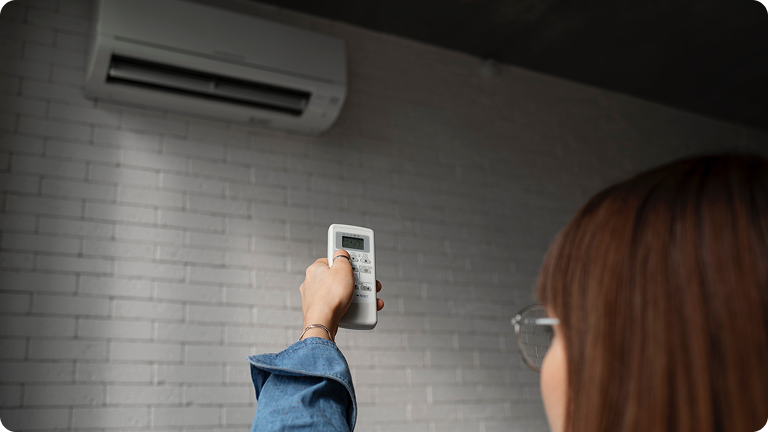

Your Trusted Local AC Experts
When the summer heat hits, you need an air conditioning system you can rely on. At Jim's Air Systems, we specialize in keeping your home cool and comfortable. Whether you need an emergency repair, a seasonal tune-up, or a brand new high-efficiency air conditioner, our family is here to help.
Our Air Conditioning Services include

AC Repair
We service all makes and models, quickly diagnosing and fixing any issue.
AC Installation & Replacement
Get a perfectly sized, high-efficiency system with our owner-led design and installation process.
AC Maintenance
Prevent breakdowns and improve efficiency with our comprehensive AC tune-ups.
Signs You Needs AC Service
.svg)

Frequently Asked Questions

We recommend having your air conditioning system professionally serviced once a year, ideally in the spring, to ensure it's ready for the summer heat.
Yes! Jim’s Air Systems is a family-owned and operated business. We take pride in delivering honest, reliable service and treating our customers like family, with a strong focus on quality workmanship and long-term relationships.
A trained, licensed HVAC professional from Jim’s Air Systems will visit your home for the estimate. Our technician will assess your needs, answer your questions, and provide a clear, upfront estimate with no pressure or hidden fees.
Ready for a Cooler, More Comfortable Home?
Whether you need an emergency repair or a free estimate on a new, energy-efficient air conditioner, our family is ready to provide honest advice and expert service. Contact us today!