
Resolve Inconsistent Home Temperatures and High Energy Costs
Do you experience unbearable summers with an inefficient air conditioning system that leaves certain rooms hot while freezing others? It is time to consider a quieter, more efficient ductless HVAC solution that gives you total control over your indoor climate; contact us today for a comprehensive assessment.
Homeowners in Antioch frequently face the challenge of managing high cooling loads during the sweltering summer months without driving utility bills through the roof. Traditional central air systems often struggle to maintain even temperatures, especially in multi-story homes or properties with aging ductwork. Jims Air Systems provides a targeted solution through high-performance ductless mini-split installations. These systems bypass the energy losses associated with ducts, delivering cooled air directly to the zones where you spend the most time.
- Achieve immediate cooling comfort: Quickly enjoy a cooler home with efficient ductless system installations that address hot spots instantly.
- Reduce monthly energy expenditures: Save on utility bills with energy-efficient mini-split systems tailored specifically for the high summer temperatures in this region.
- Eliminate administrative headaches: Rest easy with comprehensive service warranties and full management of necessary mechanical permits.
All installations are fully compliant with local building regulations and safety codes, ensuring your peace of mind and long-term system reliability.
Operational Scope and Immediate Benefits of Ductless Systems
Switching to a ductless heating and cooling system fundamentally changes how your home consumes energy. Unlike central forced-air systems that push air through a network of ducts—where up to 30% of energy can be lost to leaks and poor insulation—ductless units operate at the source. This installation involves placing a compact air handling unit directly in the room it serves, connected to an outdoor compressor via a narrow conduit.
When you commission a ductless installation, you are investing in a system designed for "zoning." This means you stop paying to cool unoccupied bedrooms or storage areas. You gain the ability to set different temperatures for different rooms based on usage and preference. For example, a home office can be kept cooler during the heat of the day, while the living room remains at a moderate setting until the evening.
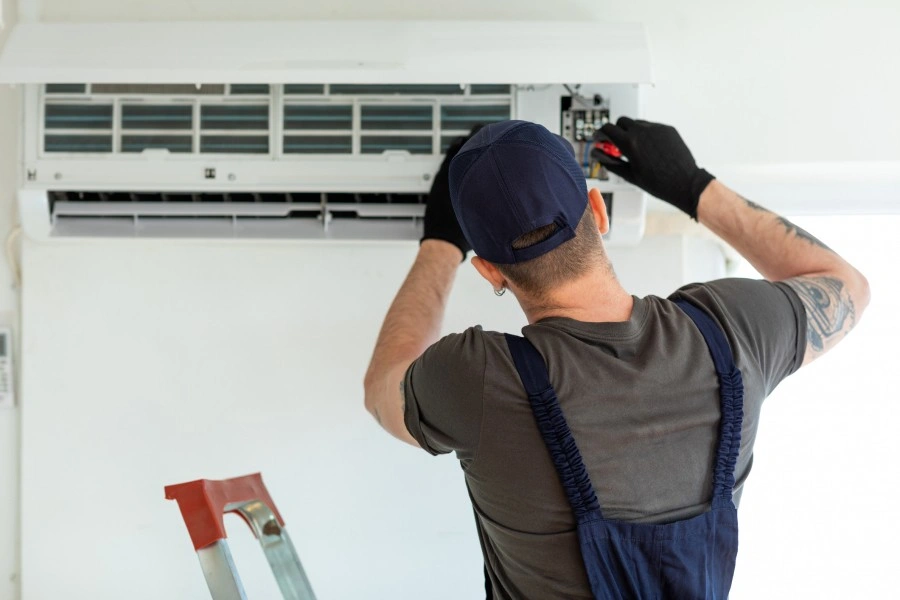
The scope of a standard installation includes the mounting of the indoor evaporator units, placement of the outdoor condenser, and the specialized running of refrigerant lines, communication wires, and drainage tubing. Modern inverters allow the compressor to speed up or slow down based on real-time needs rather than shutting off and turning on repeatedly. This modulation maintains a constant temperature with minimal energy fluctuation, which is critical for managing humidity and temperature variance in the dry California climate.
The Technical Installation Process From Start to Finish
A professional installation is a meticulous process that prioritizes structural integrity and system efficiency. The goal is to integrate the equipment seamlessly into your home with minimal disruption.
Site Assessment and Load Calculation:
Technicians begin by performing a Manual J load calculation. This determines the exact BTU capacity required for each specific zone. Oversized units will short-cycle and fail to dehumidify, while undersized units will run constantly without reaching the set temperature. This step accounts for window placement, insulation levels, and room square footage.
Indoor Unit Mounting:
The indoor air handler is mounted on a bracket secured to the wall studs. This plate must be perfectly level to ensure proper drainage of condensate water. The location is selected to maximize airflow distribution throughout the room while remaining unobtrusive to the room's aesthetics.
Drilling the Conduit Pathway:
A single, roughly three-inch hole is drilled through the exterior wall. This hole is angled slightly downward to the outside to assist gravity in draining condensate. Technicians use specialized saws to ensure a clean cut through stucco, siding, or masonry, ensuring the building envelope remains sealed against moisture and pests.
Running the Line Set:
The refrigerant lines, power cables, and drain tube are bundled together and passed through the conduit hole. These lines connect the indoor unit to the outdoor condenser. High-quality insulation is applied to the refrigerant lines to prevent energy loss and condensation buildup inside the wall cavity.
Outdoor Unit Placement:
The outdoor condenser unit is placed on a concrete pad or mounted to the side of the house using brackets. It must be positioned away from direct sunlight when possible and have sufficient clearance for airflow. The unit is leveled to prevent vibration and noise transfer.
Pressure Testing and Vacuuming:
Once the lines are connected, the system is pressurized with nitrogen to check for leaks. Following this, a vacuum pump removes all moisture and air from the lines. This is a non-negotiable step; moisture left in the lines can mix with refrigerant to create acid, which destroys the compressor over time.
Electrical Integration and Startup:
The system is wired into the home's electrical panel, often requiring a dedicated circuit. After final safety checks, the refrigerant is released, and the system is powered on to test cooling output, fan speed modulation, and drainage functionality.
Comparing Ductless Retrofits to Central HVAC Repairs
Homeowners often debate whether to repair an aging central air conditioner or invest in a ductless retrofit. While repairs may seem cheaper upfront, they often act as a bandage on a system that is fundamentally inefficient for the home's current needs.
Replacement with a ductless system becomes the superior logic when:
- Ductwork is compromised: If existing ducts are old, collapsed, or filled with debris, cleaning or replacing them is expensive and invasive. Ductless systems bypass this infrastructure entirely, removing the vector for dust and allergens.
- Additions or renovations have occurred: If you have added a room, a garage conversion, or a sunroom, the existing central AC likely lacks the capacity to cool the new square footage. A mini-split is the ideal solution for serving these specific "bonus" spaces without upgrading the entire central plant.
- Occupancy patterns have changed: For empty nesters or those living in large homes where only a few rooms are used daily, cooling the entire house is financially wasteful. Ductless allows you to condition only occupied spaces.
- Noise is a concern: Central AC condensers can be loud, and the rush of air through metal ducts creates background noise. Ductless indoor units operate as quietly as 19 decibels, which is quieter than a whisper, making them ideal for bedrooms and home offices.
Critical Local Considerations for Homeowners
Installing HVAC equipment in Antioch requires specific attention to local environmental factors and regulatory codes. Ignoring these elements can lead to code violations or poor system performance.
Thermal Load and Insulation:
The local climate involves intense solar gain during the summer. Installations must account for the direction windows face. West-facing rooms often require higher capacity units to combat the afternoon sun. Furthermore, because humidity is generally low, the system is calibrated primarily for sensible cooling (temperature reduction) rather than latent cooling (moisture removal), though the latter remains important for air quality.
Permitting and Title 24 Compliance:
California has some of the strictest energy codes in the nation. Any alteration to the HVAC system typically requires a mechanical permit. Compliance with Title 24 energy efficiency standards is mandatory. This includes verifying that the new equipment meets minimum SEER (Seasonal Energy Efficiency Ratio) and HSPF (Heating Seasonal Performance Factor) ratings. Professional installers handle the submission of these documents to the local building department to ensure the installation is legal and recognized by insurance providers.
Electrical Panel Capacity:
Many older homes in the area may have electrical panels that are near capacity. Adding a powerful multi-zone ductless system may require a sub-panel or a main panel upgrade to handle the amperage safely. A professional assessment identifies these electrical needs before installation begins to avoid safety hazards.
Air Quality Management:
Given the regional variability in air quality due to pollen and agricultural dust, the filtration capabilities of a ductless system are a significant asset. The washable filters in mini-split units are easily accessible. Regular maintenance of these filters is essential to prevent the system from choking on dust, which is a common cause of efficiency loss in this area.
Technical Precision and System Longevity
The longevity of a ductless system is directly correlated to the quality of the installation. While the hardware itself is robust, the connections between the indoor and outdoor units are the most common points of failure if not executed correctly. Flared connections for refrigerant lines must be torqued to precise manufacturer specifications. If a flare is too tight, the copper cracks; if it is too loose, refrigerant leaks.
Proper placement of the outdoor unit is also a differentiator. Jims Air Systems ensures that condensers are not just dropped on the dirt but are elevated to prevent debris accumulation and allow for proper drainage during the defrost cycle in colder months. Furthermore, line set covers are installed to protect the external pipes from UV degradation and physical damage, preserving the aesthetic of the home exterior.
Warranties for these systems often depend on proof of professional installation. Manufacturers may void parts warranties if the equipment was not installed by a licensed contractor who adhered to vacuum and pressure test protocols. Securing a professional installation protects your investment and ensures that the system delivers its rated efficiency for years to come.
Take control of your home's comfort and energy efficiency today. Eliminate hot spots and stop paying to cool empty rooms.
Take Control of Comfort with a Ductless HVAC Solution
Eliminating hot spots, reducing energy waste, and gaining precise control over your indoor climate starts with the right ductless installation. For Antioch homeowners seeking efficient, quiet, and customizable comfort, ductless mini-split systems offer a modern solution that outperforms aging central air setups. With expert sizing, meticulous installation, and full code compliance, Jims Air Systems helps you stop cooling empty rooms and start saving on energy costs.
Secure your ductless installation consultation now.

Your Trusted Local AC Experts
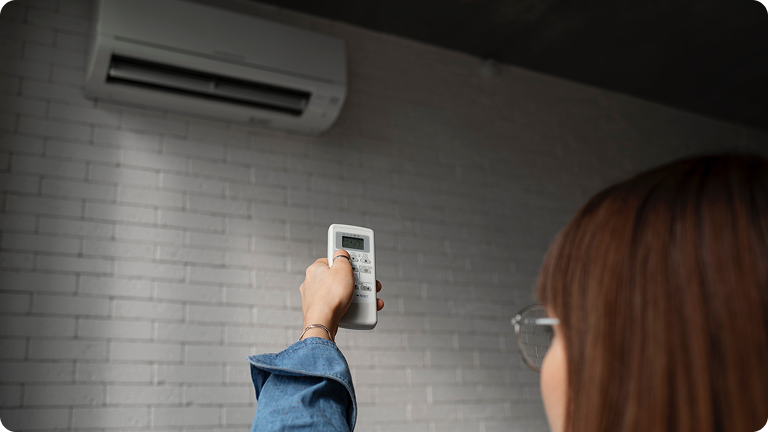
When the summer heat hits, you need an air conditioning system you can rely on. At Jim's Air Systems, we specialize in keeping your home cool and comfortable. Whether you need an emergency repair, a seasonal tune-up, or a brand new high-efficiency air conditioner, our family is here to help.
Our Air Conditioning Services include

AC Repair
We service all makes and models, quickly diagnosing and fixing any issue.
AC Installation & Replacement
Get a perfectly sized, high-efficiency system with our owner-led design and installation process.
AC Maintenance
Prevent breakdowns and improve efficiency with our comprehensive AC tune-ups.
Signs You Needs AC Service
.svg)
Ready for a Cooler, More Comfortable Home?
Whether you need an emergency repair or a free estimate on a new, energy-efficient air conditioner, our family is ready to provide honest advice and expert service. Contact us today!