Unexpected Cooling Loss Requires Rapid Diagnostic Protocols
Facing sudden AC failures during the peak of summer heat in Dublin creates an immediate environment of discomfort and frustration for homeowners. When your system fails to maintain temperature or shuts down completely, you need professional intervention to restore safety and comfort to your living space immediately contact us for priority scheduling or financing inquiries. Jims Air Systems provides rapid, data-driven solutions tailored to address the specific cooling loads required for homes in this region.
- Immediate response protocols are in place to address critical AC emergencies regardless of the time or day.
- Comprehensive service capabilities cover everything from electrical component replacement to full system efficiency overhauls.
- Transparent pricing structures and flexible financing options eliminate financial ambiguity before work begins.
- All technical services are performed by licensed, insured professionals backed by a satisfaction guarantee.
Today's Service Overview: What to Expect
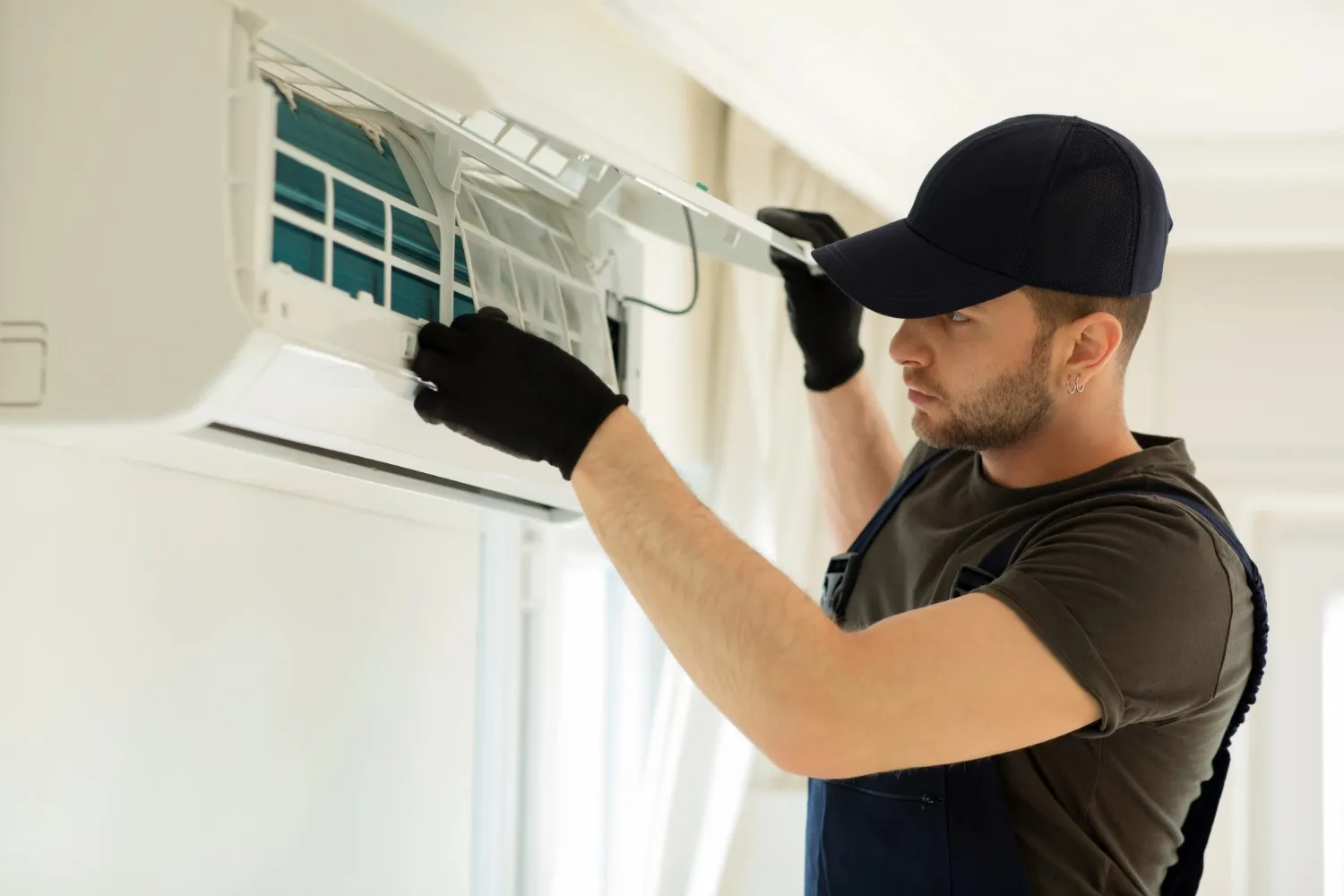
When a technician arrives at your property, the objective is to identify the root cause of the malfunction rather than simply addressing the symptom. Modern air conditioning systems are complex networks of electrical, mechanical, and chemical components. A comprehensive service call involves a systematic inspection of these subsystems to ensure the unit operates at manufacturer specifications.
Electrical System Analysis
The electrical components of an air conditioner are often the first to fail due to the high cycling rates required during hot summers. Technicians inspect the following:
- Capacitors: These components store energy to help motors start and run. A swollen or weak capacitor can cause compressor failure.
- Contactors: These switches control the flow of electricity to the compressor and fan. Pitted or burned contactors can lead to voltage irregularities and motor burnout.
- Wiring and Connections: Loose connections create resistance, leading to heat buildup and potential fire hazards. All connections are tightened and inspected for insulation degradation.
Refrigerant and Airflow Optimization
Proper cooling relies on the correct balance of refrigerant and airflow. If either is off, the system cannot remove heat effectively.
- Refrigerant Charge: Technicians measure superheat and subcooling levels to ensure the refrigerant charge matches the manufacturer's specifications. Leaks are identified using electronic detectors.
- Coil Cleaning: The evaporator and condenser coils must be clean to exchange heat. Dirt buildup acts as an insulator, forcing the system to work harder and increasing energy bills.
- Blower Motor Performance: The blower moves air through the ductwork. Technicians check the amp draw and capacitor strength to ensure the motor is not overheating.
- Static Pressure: Measuring the resistance within the ductwork ensures that the system is not suffocating due to undersized ducts or blocked filters.
Condensate Drain Management
Air conditioners dehumidify as they cool. The moisture collected must be drained away properly.
- Drain Line Clearing: Algae and biological growth can clog the drain line, causing water to back up and trigger overflow switches that shut down the system.
- Pan Treatment: Technicians often treat the drain pan to prevent future biological growth and verify the safety switch operation to prevent water damage to your home.
Your AC Service Path: From Call to Comfort
Understanding the workflow of a service call reduces anxiety and helps you prepare for the technician's arrival. The process is designed to be efficient, transparent, and respectful of your time and property.
- Initial Triage and Dispatch: The process begins when you report an issue. Dispatchers assess the severity of the problem. If the situation involves a complete system failure during a heatwave or a potential safety hazard like a burning smell, the call is prioritized. You receive a notification when the technician is en route, minimizing the time you spend waiting.
- On-Site Diagnostic Evaluation: Upon arrival, the technician conducts a thorough evaluation. This is not a guess-and-check process. Advanced diagnostic tools are used to measure pressures, temperatures, and electrical readings. The technician investigates the reported symptom but also looks for underlying causes that might have triggered the failure.
- Presentation of Options: Once the diagnostic is complete, you are presented with a detailed report. This includes the specific part that failed, why it failed, and the condition of the rest of the system. You will receive clear options: a direct repair, a repair with preventative maintenance for other aging parts, or a system replacement if the repair cost is prohibitive.
- Execution of Repairs: After you approve a solution, work begins immediately. Service trucks are stocked with common parts to facilitate same-day repairs. If a specialized part is needed, the timeline for acquisition is communicated clearly. Technicians use drop cloths and shoe covers to protect your flooring during the work.
- System Testing and Validation: The job is not complete when the new part is installed. The technician runs the system through a full cycle to verify that the repair resolved the issue and that the system is cooling effectively. Temperature differentials are measured to confirm performance.
- Post-Service Review: Before leaving, the technician walks you through the work performed. They explain any warranty information regarding the new parts and offer maintenance tips to prevent future issues. The work area is cleaned, and all debris is removed from the property.
Deciding on Repair vs. Replacement: Insights for Local Homes
Homeowners often face the difficult decision of whether to invest in repairs or replace an aging system. This decision should be based on mathematical and logical criteria rather than emotion. In the Dublin area, where energy costs can be significant, efficiency plays a major role in this calculation.
The 50% Rule
A general guideline used in the industry is the 50% rule. If the cost of the necessary repair approaches or exceeds 50% of the value of a new system, replacement is generally the more financially sound option. Putting expensive parts into an old unit is often referred to as "throwing good money after bad."
Age of the System
The average lifespan of a central air conditioner is between 10 and 15 years.
- Under 10 Years: If the system is relatively new and has been well-maintained, repair is usually the best option unless the compressor has failed.
- Over 15 Years: Systems in this age range are running on borrowed time. Parts may be obsolete or difficult to source. Even if repaired, the unit is likely inefficient compared to modern standards.
- Warranty Status: Always check if the unit is still under the manufacturer's parts warranty. A major repair is much more palatable if the parts are covered.
Frequency of Breakdowns
If you find yourself calling for service every season, the cumulative cost of these minor repairs adds up quickly. A system that requires frequent "band-aid" fixes is unreliable and likely suffering from a major underlying issue, such as a leaking coil or a failing compressor.
Energy Efficiency and Refrigerant Types
Older systems often use R-22 refrigerant (Freon), which has been phased out due to environmental regulations. Repairing a leak in an R-22 system is incredibly expensive due to the scarcity of the refrigerant. Modern systems use R-410A or newer alternatives and operate at much higher SEER (Seasonal Energy Efficiency Ratio) ratings. Jims Air Systems can calculate the potential energy savings of upgrading to a high-efficiency unit, which often offsets the monthly payment of a new installation.
Regional AC Considerations: Permits and Seasonal Tips
Operating air conditioning equipment in this specific region of California requires attention to local climate patterns and regulatory requirements. The proximity to the San Francisco Bay influences microclimates, creating distinct needs for humidity control and temperature management.
Regulatory Compliance and Permits
Any significant alteration to an HVAC system, including the replacement of a condenser or furnace, requires a permit. This ensures that the installation meets safety codes and energy efficiency standards known as Title 24.
- Title 24 Compliance: California's energy code is strict. It requires duct testing to ensure leakage is below a certain percentage and verification of refrigerant charge.
- Permit Processing: Professional services handle the permitting process with the local building department, ensuring the homeowner is not liable for unpermitted work during a future home sale.
- Safety Inspections: Permitted work is subject to third-party inspection, providing an extra layer of quality assurance for the homeowner.
Managing Peak Heat and Utility Costs
The local utility provider, PG&E, often implements time-of-use rates. This means electricity is most expensive during the late afternoon and evening—exactly when you need your AC the most.
- Smart Thermostats: Installing a smart thermostat allows you to pre-cool your home during off-peak hours and float through the expensive peak hours, reducing your utility bill without sacrificing comfort.
- Duct Efficiency: In many local homes, ductwork runs through unconditioned attics. If these ducts are leaky or poorly insulated, you are paying to cool your attic. sealing and insulating ducts is a critical service for maximizing efficiency in this climate.
Seasonal Maintenance Strategy
While summers are hot and dry, winters can bring significant moisture. This seasonality affects how AC units should be maintained.
- Spring Start-Up: Before the first heatwave hits, a spring tune-up is essential to check for rodent damage to wires (common in winter) and clear debris from the outdoor unit.
- Filter Changes: During the fire season, smoke and ash can clog filters rapidly. High-quality filtration is necessary to maintain indoor air quality, but these filters must be checked frequently to prevent airflow restriction.
Why Quality Service Matters: Our Promises and Credentials
Selecting a service provider is about trust and technical competence. The difference between a quick fix and a lasting solution often lies in the training of the technician and the philosophy of the company.
Technical Expertise and Certification
Technicians undergo rigorous training to stay current with evolving HVAC technology. This includes certification from North American Technician Excellence (NATE) and continuous education on new inverter-driven systems and smart home integration. Competence extends beyond turning a wrench; it involves understanding thermodynamics and psychrometrics to properly diagnose complex issues.
Respect for Property
Inviting a service provider into your home requires a level of trust. Professional technicians treat your property with the highest regard.
- Cleanliness: Work areas are protected with drop cloths. Technicians wear boot covers to prevent tracking dirt inside.
- Communication: You are kept informed at every stage. There are no surprise charges on the final bill. The price quoted is the price paid.
Guarantees and Warranties
High-quality service is backed by written guarantees. This includes warranties on labor and parts. If a repair fails within the warranty period, it is corrected at no cost. This accountability ensures that the technician is motivated to fix the problem correctly the first time.
When your cooling system falters, you need a partner who prioritizes speed, accuracy, and transparency. From navigating local permits to optimizing your system for the specific climate challenges of the region, the goal is always to restore your comfort efficiently.
Restore Comfort Fast with Trusted Local Experts
When your air conditioning fails, every minute matters. Jims Air Systems is ready to respond with priority scheduling, expert diagnostics, and solutions designed specifically for your home and local climate demands. Our licensed, insured technicians deliver fast, data-driven repairs, transparent pricing, and flexible financing—so there are no surprises, only results. From emergency breakdowns to efficiency upgrades, we restore comfort with precision and care. Don’t let heat disrupt your home or routine. Call Jims Air Systems today to schedule your comprehensive AC service and experience dependable cooling backed by real guarantees.

Your Trusted Local AC Experts
When the summer heat hits, you need an air conditioning system you can rely on. At Jim's Air Systems, we specialize in keeping your home cool and comfortable. Whether you need an emergency repair, a seasonal tune-up, or a brand new high-efficiency air conditioner, our family is here to help.
Our Air Conditioning Services include

AC Repair
We service all makes and models, quickly diagnosing and fixing any issue.
AC Installation & Replacement
Get a perfectly sized, high-efficiency system with our owner-led design and installation process.
AC Maintenance
Prevent breakdowns and improve efficiency with our comprehensive AC tune-ups.
Signs You Needs AC Service
.svg)
Ready for a Cooler, More Comfortable Home?
Whether you need an emergency repair or a free estimate on a new, energy-efficient air conditioner, our family is ready to provide honest advice and expert service. Contact us today!