
Facing Unpredictable HVAC Breakdowns?
Struggling with an old, inefficient HVAC system in Dublin, CA, can lead to spiking energy bills and significant discomfort during the region's wet winters and dry summers. If you are constantly adjusting the thermostat without relief or worrying about the next failure, call us today to schedule a comprehensive assessment or to discuss our financing options.
Homeowners often tolerate subpar performance until a complete system failure occurs, usually during the peak of summer heat or a winter cold snap. Replacing a failing unit does more than just restore heat or air conditioning; it completely revitalizes the way your home consumes energy and manages airflow.
- Achieve consistent indoor temperatures year-round with cutting-edge HVAC technology designed for California's climate.
- Lower your energy costs with efficient systems that meet or exceed California's strict Title 24 energy standards.
- Experience peace of mind with 24/7 emergency availability and extended manufacturer warranties on new installs.
All installations are fully compliant with local codes, backed by robust labor warranties, and supported by flexible financing options to fit your budget.
Reliable Comfort with Expert HVAC Installation
When you invest in a new heating and cooling system, the quality of the installation is just as critical as the brand of equipment you choose. A high-efficiency unit installed incorrectly will never achieve its rated SEER (Seasonal Energy Efficiency Ratio) or AFUE (Annual Fuel Utilization Efficiency) performance. In the Dublin area, where temperatures can swing from 40°F in winter to upwards of 90°F in summer, precision is required to ensure the system handles the load efficiently without short-cycling.
Modern HVAC installation involves a holistic approach to home comfort. It is not simply swapping one metal box for another. It requires a detailed calculation of your home’s thermal properties, an analysis of the ductwork infrastructure, and a clear understanding of airflow dynamics. Jims Air Systems focuses on the technical specifications that ensure longevity and performance.
Key Components of a Modern System
- Variable-Speed Blowers: Unlike older single-stage motors that run at full blast or not at all, variable-speed blowers adjust airflow incrementally. This eliminates cold drafts, reduces noise, and keeps temperatures consistent throughout the house.
- Smart Thermostat Integration: New installations typically include Wi-Fi-enabled controls that allow for zoning and remote management, optimizing run times based on your actual usage patterns.
- Advanced Filtration: Modern units can be paired with high-MERV filtration or whole-home air purifiers to actively reduce dust, allergens, and pollutants, which is essential during dry, dusty summers.

Our HVAC Solutions: Features and Immediate Benefits
Upgrading your climate control system provides immediate tangible benefits beyond simple temperature regulation. The technology in the HVAC industry has advanced significantly over the last decade, particularly regarding energy consumption and noise reduction.
Immediate Energy Reduction
Older systems often operate between 8 and 10 SEER. Modern standards and California regulations require significantly higher efficiency ratings. By transitioning to a system with a SEER2 rating of 15, 16, or higher, homeowners typically see a drastic reduction in monthly utility costs. The system uses less electricity to move the same amount of heat, translating to direct savings.
Improved Air Distribution
One of the most common complaints with aging systems is hot and cold spots—rooms that never seem to cool down or bedrooms that stay freezing. A proper installation addresses static pressure within the ductwork.
- We balance the return and supply air to ensure every room receives the calculated CFM (Cubic Feet per Minute) of air.
- We seal leaky ductwork connections that may be bleeding conditioned air into the attic or crawlspace.
- We calibrate the blower motor to match the resistance of your specific duct system.
Quiet Operation
If your current unit sounds like a jet engine taking off every time it engages, you will be surprised by the silence of a modern system. Sound-dampening technology, compressor blankets, and swept-wing fan blades reduce the decibel levels significantly. You should be able to enjoy your backyard or watch a movie indoors without having to raise your voice over the sound of the air conditioner.
Step-by-Step Guide to Your New HVAC Installation
Understanding the installation timeline helps homeowners prepare for the project. While every home has unique challenges, a professional installation follows a rigorous, standardized process to ensure safety and quality.
- Site Evaluation and Load Calculation: The process begins with a Manual J load calculation. This industry-standard calculation determines the exact heating and cooling capacity required for your specific square footage, window types, insulation levels, and orientation. Guessing the size often leads to "oversizing," which causes the unit to turn on and off rapidly, wearing out components and failing to dehumidify the air.
- Protecting Your Property: On installation day, the workspace is prepped to prevent damage to flooring and furniture. Technicians use drop cloths and wear protective shoe covers. The goal is to leave the home cleaner than it was found.
- Safe Removal and Disposal: The old equipment is disconnected. Crucially, any existing refrigerant is recovered according to EPA guidelines to prevent environmental contamination. The old unit is hauled away for proper recycling.
- Modifications and Equipment Setting: If the new unit has different dimensions, the plenum (the transition between the unit and ductwork) is modified. The new equipment is leveled and secured. For outdoor units, a new composite pad may be installed to ensure stability and vibration isolation.
- System Connection: Refrigerant lines are brazed (welded) with a nitrogen purge to prevent oxidation inside the pipes. Electrical connections are brought up to current code requirements, often involving the installation of a new disconnect box and whip. Condensate drains are piped with safety float switches to prevent water damage.
- Commissioning and Testing: Once physically installed, the system is not just turned on; it is commissioned. Technicians measure static pressure, check refrigerant charge using subcooling and superheat methods, and verify temperature splits. This data proves the system is operating to factory specifications.
Deciding Between HVAC Repair or Replacement
Homeowners often struggle with the decision to repair a faltering unit or invest in a replacement. There is a point where throwing money at repairs becomes economically unwise. In the HVAC industry, we often refer to specific guidelines to help customers make this financial decision objectively.
The $5,000 Rule
A common benchmark used by experts is the $5,000 rule. Multiply the age of your equipment by the estimated cost of the repair. If the total exceeds $5,000, replacement is generally the smarter financial move. For example, if you have a 12-year-old system and the repair is $500, the total is 6,000 ($500 x 12). In this scenario, replacement is recommended because the unit is nearing the end of its useful life and will likely fail again soon.
Critical Decision Factors
- Age of the System: The average lifespan of a central AC or heat pump is 10 to 15 years, while furnaces may last 15 to 20. If your system is within this range and requires a major component like a compressor or heat exchanger, replacement is usually preferred.
- Freon vs. Puron (R-22 vs. R-410A): If your older unit utilizes R-22 refrigerant (Freon), repairs involving refrigerant leaks are exorbitantly expensive because R-22 is no longer produced. Upgrading resolves this issue entirely.
- Frequency of Breakdowns: If you have called for service more than twice in the last two years, the system is becoming unreliable. The cumulative cost of service calls, parts, and the inconvenience of downtime justifies a new installation.
- Rising Energy Bills: If your usage habits haven't changed but your utility bills are creeping up, the mechanical efficiency of your unit is degrading. A new system resets this efficiency baseline.
Understanding Dublin’s HVAC Regulations and Climate Considerations
Operating in California requires strict adherence to energy codes that are among the most rigorous in the nation. For residents in Dublin, CA, compliance with Title 24 is mandatory for HVAC alterations and replacements.
Permitting
When a system is replaced, a permit must be pulled with the local building department. This triggers a requirement for third-party HERS (Home Energy Rating System) testing.
- Duct Sealing: A HERS rater will verify that the ductwork does not leak more than the allowable percentage (usually 5% or 15% depending on the scope).
- Airflow Verification: The system must demonstrate adequate airflow across the evaporator coil to ensure efficiency.
- Refrigerant Charge: Verification that the refrigerant level is precise.
Failing to obtain permits or meet these standards can complicate future home sales and may void manufacturer warranties. Professional installers handle this entire administrative and testing process for you.
Climate-Specific Hardware
Given the Mediterranean climate, where winters are wet and mild and summers are dry and warm, heat pumps are becoming an increasingly popular choice. Modern heat pumps can handle the heating load of a Dublin winter efficiently without the need for gas, aligning with California’s electrification goals. However, for those who prefer gas heating, high-efficiency furnaces (80% to 96% AFUE) remain a viable and effective option to combat the chill of December and January.
Why Choose Us? Certifications and Customer Stories
Selecting a contractor is a decision based on trust and technical competency. The difference between a system that lasts 10 years and one that lasts 20 years is often the quality of the installation. We prioritize technical training and adherence to manufacturer protocols over speed.
Our team carries the necessary certifications to handle refrigerants safely and install gas lines in compliance with safety codes. We do not use subcontractors for our core installation work; our technicians are trained in-house to ensure a consistent standard of quality. From the initial load calculation to the final walkthrough where we teach you how to program your new thermostat, every step is executed with precision.
Schedule Your Service Now
We understand that HVAC replacement is a significant investment in your home. We provide transparent, upfront explanations of the scope of work, so you never encounter hidden fees or surprise charges mid-project. Our goal is to leave you with a system that you don't have to think about—it simply works, keeping you comfortable regardless of the weather outside.
Upgrade your home comfort with a professional installation that prioritizes efficiency and longevity — contact our team today. Secure your consultation with Jims Air Systems today and start enjoying reliable, efficient climate control.
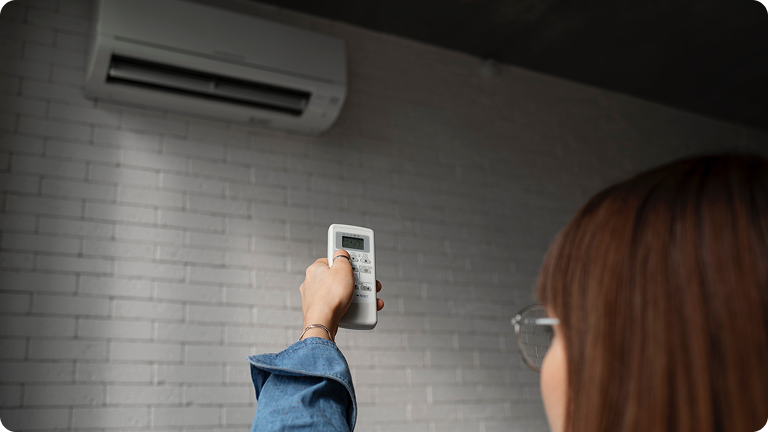

Your Trusted Local AC Experts
When the summer heat hits, you need an air conditioning system you can rely on. At Jim's Air Systems, we specialize in keeping your home cool and comfortable. Whether you need an emergency repair, a seasonal tune-up, or a brand new high-efficiency air conditioner, our family is here to help.
Our Air Conditioning Services include

AC Repair
We service all makes and models, quickly diagnosing and fixing any issue.
AC Installation & Replacement
Get a perfectly sized, high-efficiency system with our owner-led design and installation process.
AC Maintenance
Prevent breakdowns and improve efficiency with our comprehensive AC tune-ups.
Signs You Needs AC Service
.svg)

Frequently Asked Questions

We recommend having your air conditioning system professionally serviced once a year, ideally in the spring, to ensure it's ready for the summer heat.
Yes! Jim’s Air Systems is a family-owned and operated business. We take pride in delivering honest, reliable service and treating our customers like family, with a strong focus on quality workmanship and long-term relationships.
A trained, licensed HVAC professional from Jim’s Air Systems will visit your home for the estimate. Our technician will assess your needs, answer your questions, and provide a clear, upfront estimate with no pressure or hidden fees.
Ready for a Cooler, More Comfortable Home?
Whether you need an emergency repair or a free estimate on a new, energy-efficient air conditioner, our family is ready to provide honest advice and expert service. Contact us today!