Need a New Furnace or Heating System Upgrade?
Is your furnace failing to heat your home effectively, leaving cold spots in certain rooms or making strange noises during operation? You might be due for a critical system upgrade or a completely new installation to restore comfort before the temperatures drop. For homeowners in Fremont, securing a reliable heating source is essential for navigating the wet, chilly winter months. Contact us today to schedule an assessment or discuss financing options for your new unit.
When you choose a professional installation, you are investing in the long-term safety and comfort of your property. A modern system does more than just blow hot air; it regulates humidity, improves air quality, and reduces monthly energy expenditure.
- Experience efficient heating with modern furnace models designed to lower utility costs.
- Enjoy prompt installation services to keep your home cozy without extended downtime.
- Benefit from comprehensive warranties and transparent pricing structures that eliminate surprise fees.
All installations comply with Fremont building codes, guaranteed, ensuring your home remains safe and compliant. Jims Air Systems is dedicated to providing the technical expertise required for a seamless transition to your new heating unit.
What to Expect From a Modern Furnace Installation
Replacing a heating system is a significant decision that impacts your home’s functionality for the next 15 to 20 years. Modern furnace installation goes beyond simply swapping out an old metal box for a new one. It involves a holistic assessment of your home's thermal characteristics, ductwork integrity, and airflow requirements. Today’s high-efficiency units require precise calibration to deliver the performance promised on the energy guide label.
When you proceed with a new installation, the focus is on achieving the Annual Fuel Utilization Efficiency (AFUE) rating specified by the manufacturer. Older units often operate at 60% to 70% efficiency, meaning 30 to 40 cents of every dollar spent on gas escapes up the flue. Modern units installed in Fremont homes typically start at 80% efficiency and can reach up to 98% for high-efficiency condensing models. This shift represents an immediate reduction in operational costs.
The scope of a standard installation includes several critical components:
- Load Calculation: Technicians perform a Manual J load calculation to determine the exact heating requirements of your square footage. Oversized units cycle on and off too frequently (short cycling), leading to wear and tear, while undersized units run continuously without ever reaching the set temperature.
- Ductwork Inspection: Existing ductwork is evaluated for leaks or disconnections. Even the most efficient furnace cannot compensate for ducts that leak 20% of the conditioned air into the attic or crawlspace.
- Venting Upgrades: High-efficiency furnaces often require different venting materials, such as PVC, compared to older metal flue pipes. This ensures acidic condensation is properly drained and exhaust gases are safely expelled.
- Thermostat Integration: New units often require updated thermostats to handle two-stage or modulating heating cycles, allowing for more precise temperature control throughout the day.

The Installation and Replacement Process
A systematic approach to installation minimizes disruption to your daily routine and ensures the system operates safely from the first ignition. Professional installers follow a rigid protocol to adhere to safety standards and manufacturer specifications.
Site Preparation and Safety Check:
- The area around the existing furnace is cleared to ensure safe access.
- Gas lines and electrical circuits are shut off and tagged for safety.
- Floor runners or drop cloths are placed to protect flooring during the removal of heavy equipment.
Removal of the Existing Unit:
- The old furnace is disconnected from the plenum, gas supply, and electrical wiring.
- Technicians carefully maneuver the old unit out of the home, often requiring specialized dollies to navigate tight basements or utility closets.
- The old unit is hauled away for proper recycling and disposal according to environmental regulations.
Positioning and Connection:
- The new furnace is positioned and leveled. Leveling is crucial for proper drainage in high-efficiency condensing units.
- The supply and return plenums are sealed to the new unit to prevent air leakage.
- Gas lines are reconnected with new drip legs and shut-off valves if necessary to meet current code requirements.
- Electrical wiring is connected, ensuring proper grounding and polarity.
Venting and Drainage Configuration:
- Flue pipes are installed with the correct slope to ensure exhaust gases rise and condensation drains back to the collector box.
- For condensing furnaces, condensate drain lines are routed to a floor drain or condensate pump.
Commissioning and Testing:
- The system is fired up, and technicians measure gas pressure at the manifold to ensure the burner is receiving the correct amount of fuel.
- Temperature rise (the difference between air entering and leaving the furnace) is measured to verify it falls within the manufacturer’s specified range.
- Safety switches, such as limit switches and flame sensors, are tested to ensure they shut the system down in case of a malfunction.
When Replacement Beats Repair
Deciding between repairing an aging unit and investing in a replacement is a common dilemma. While repairs may seem cheaper upfront, they often act as a temporary bandage on a failing system. There are specific metrics and scenarios where replacement is the mathematically and practically superior choice.
The most reliable metric used in the industry is the "50% Rule." If the cost of the repair approaches 50% of the value of the system (or the cost of a new unit), replacement is generally the wiser financial move. Additionally, if you are calling for repairs more than once a year, the cumulative cost of service calls will quickly outpace the monthly financing of a new system.
Consider replacement if your system meets the following criteria:
- Age of the Unit: Gas furnaces typically last between 15 and 20 years. If your unit is approaching or has surpassed the 15-year mark, major components like the heat exchanger are at risk of failure. A cracked heat exchanger is a serious safety hazard that requires immediate replacement.
- Rising Energy Bills: As internal components wear out, the furnace must work harder to generate the same amount of heat. If your usage habits haven't changed but your gas bill has spiked, the unit’s efficiency has degraded significantly.
- Uneven Heating: If some rooms are freezing while others are hot, the blower motor may be failing, or the unit may no longer have the compression necessary to push air through the ductwork effectively.
- Noise and Odors: Excessive rattling, booming, or squealing indicates mechanical failure. persistent burning smells or musty odors can indicate electrical issues or mold growth within the system.
Replacing the unit eliminates the uncertainty of "what will break next" and resets the warranty clock, providing coverage for parts and labor for years to come.
Understanding Furnace Technology and Efficiency Ratings
The technology inside heating equipment has advanced rapidly in the last decade. Homeowners now have choices regarding how their furnace delivers heat, which directly impacts comfort levels and sound usage. Understanding these differences helps in selecting the right unit for specific household needs.
Single-Stage Furnaces:
- These units operate at 100% capacity whenever they are on. They are like a light switch—either fully on or fully off.
- While they are the most affordable upfront, they can be louder and cause temperature swings as the house heats up quickly and then cools down before the next cycle.
Two-Stage Furnaces:
- These units have a low and a high setting. They run on the low setting (usually 60-70% capacity) for the majority of the time, providing a gentle, steady stream of warm air.
- The high setting only kicks in during extreme cold snaps. This reduces noise and provides more even temperatures.
Modulating Furnaces:
- These are the most advanced and efficient options. The flame increases or decreases in tiny increments (often 1%) to maintain the temperature exactly at the thermostat setting.
- They run for longer periods at very low energy usage, which also helps with continuous air filtration.
Jims Air Systems can help evaluate which technology aligns best with your budget and comfort requirements during the consultation phase.
Local Considerations for Fremont Homeowners
Operating a heating system in Fremont presents specific challenges and requirements driven by the local climate and municipal regulations. While the region enjoys a Mediterranean climate, the winter months from December through February are characterized by significant rainfall and cooler nights. This wet weather increases the importance of a furnace that can not only heat the air but also help manage indoor humidity levels when paired with the right thermostat and ventilation strategies.
Permitting and Compliance:
- The City of Fremont requires building permits for the installation or replacement of HVAC equipment. This is a safety measure to ensure that gas lines are secure, electrical connections are code-compliant, and carbon monoxide risks are mitigated.
- Final inspections are conducted by city officials to verify the installation meets the California Mechanical Code and local ordinances. A professional service handles the pulling of permits and scheduling of inspections as part of the turnkey service.
Utility Rebates and Incentives:
- Homeowners in this region are often serviced by PG&E. California frequently offers rebates for upgrading to high-efficiency appliances that reduce the load on the grid and lower carbon emissions.
- Federal tax credits may also apply for units that meet specific SEER2 and AFUE ratings, effectively lowering the net cost of the installation.
Seasonality and Scheduling:
- The demand for heating services spikes during the first cold snap of the year. Proactive replacement during the shoulder seasons (fall or early spring) often results in faster appointment availability.
- Due to the dampness of the local winters, ensuring the furnace flue and venting are resistant to corrosion is vital.
Ensuring Efficiency and Long-Term Performance
Once a new furnace is installed, maintaining that "Day One" efficiency requires adherence to a few best practices. Neglect is the primary cause of premature failure in heating systems. The manufacturer’s warranty often stipulates that regular maintenance must be performed to keep the coverage valid.
To keep the system running at peak performance:
- Filter Management: The air filter is the lungs of the furnace. In many local homes, dust and pollen can clog filters quickly. Changing the filter every 60 to 90 days ensures airflow remains unrestricted. Restricted airflow causes the heat exchanger to overheat and the limit switch to trip.
- Ventilation Clearance: Ensure that supply and return vents are not blocked by furniture, rugs, or curtains. Blocking vents disrupts the pressure balance of the system, forcing the blower motor to work harder than necessary.
- Annual Inspections: A professional tune-up involves cleaning the burners, checking the ignition system, inspecting the heat exchanger for cracks, and tightening electrical connections. This prevents minor issues from escalating into major repairs.
- Programmable Thermostats: Utilizing a smart or programmable thermostat allows the system to reduce output when the house is empty or during sleeping hours, maximizing fuel savings without sacrificing comfort when it matters.
Investing in a new furnace is a decision that pays dividends in comfort and safety. By selecting the right equipment and ensuring it is installed according to rigorous industry standards, you protect your home against the chill of winter and the unpredictability of equipment failure.
Upgrade Your Heating With Confidence: Book a Professional Installation Now
If you are ready to upgrade your home’s heating infrastructure or need an honest assessment of your current system, secure your installation with a team that prioritizes technical precision and code compliance. Contact us to schedule your furnace installation today.

Your Trusted Local AC Experts
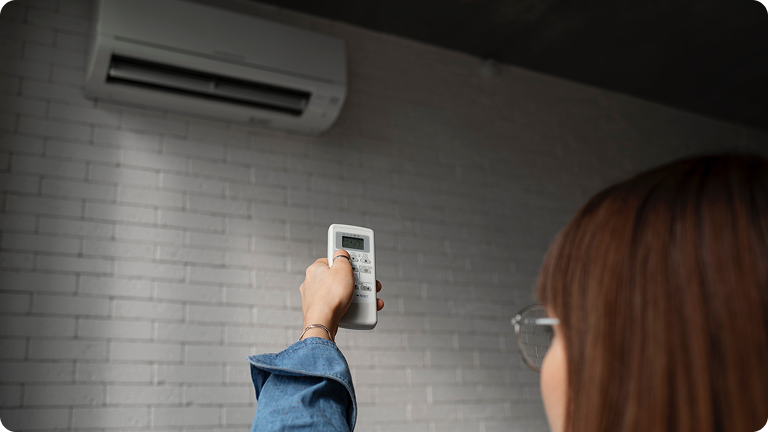
When the summer heat hits, you need an air conditioning system you can rely on. At Jim's Air Systems, we specialize in keeping your home cool and comfortable. Whether you need an emergency repair, a seasonal tune-up, or a brand new high-efficiency air conditioner, our family is here to help.
Our Air Conditioning Services include

AC Repair
We service all makes and models, quickly diagnosing and fixing any issue.
AC Installation & Replacement
Get a perfectly sized, high-efficiency system with our owner-led design and installation process.
AC Maintenance
Prevent breakdowns and improve efficiency with our comprehensive AC tune-ups.
Signs You Needs AC Service
.svg)
Ready for a Cooler, More Comfortable Home?
Whether you need an emergency repair or a free estimate on a new, energy-efficient air conditioner, our family is ready to provide honest advice and expert service. Contact us today!