
Ductless Installation in Fremont, CA
Discover the benefits of ductless mini-split systems in Fremont for efficient, zonal cooling without ductwork. Schedule your professional installation today to enhance home comfort and reduce energy bills.
Eliminate Uneven Cooling and High Energy Bills Forever
Living with inconsistent temperatures or relying on noisy, inefficient window units creates frustration, especially during the peak heat of summer. For homeowners in Fremont who lack existing ductwork or want to supplement their current system, a ductless mini-split offers precise temperature control without the invasive renovation of installing ducts. Jims Air Systems provides expert installation services to transform your home comfort immediately; contact us to schedule your onsite evaluation.
Traditional cooling methods often force you to choose between high utility bills and poor performance. A ductless system bridges that gap, offering targeted cooling directly to the rooms where you spend the most time. Whether you are converting a garage, cooling a sunroom, or upgrading an older home that cannot accommodate bulky ductwork, modern mini-splits provide a streamlined solution.
- Reduce your monthly energy expenditures significantly by utilizing systems with high SEER ratings that minimize wasted power.
- Experience whisper-quiet operation and consistent airflow within just one day of the installation process.
- Take advantage of available state and local utility rebates designed to reward energy-efficient home upgrades.
All installations are performed by licensed technicians, fully backed by comprehensive warranties, and eligible for flexible financing options.
What to Expect During Your Ductless AC Installation
Choosing to install a ductless air conditioning system is a decision that impacts your home’s value, comfort, and energy consumption for years to come. Unlike central air conditioning, which relies on a complex network of ducts to distribute air, a ductless system operates on a direct link between an outdoor compressor and indoor handling units. This connection allows for what is known as "zonal cooling." You gain the ability to create specific climate zones in your house, meaning you no longer have to pay to cool the guest room or the basement when everyone is gathered in the living room.
When you move forward with a professional installation, you are investing in inverter technology. Old-school compressors turn on and off abruptly, causing energy spikes and temperature fluctuations. The modern systems we install utilize variable-speed compressors that ramp up or down based on the exact demand of the room. This results in a stable temperature that holds steady even as the midday sun in Fremont intensifies.
The scope of a standard installation is surprisingly low-impact compared to traditional HVAC retrofits. There is no need to tear down drywall or build bulkheads to hide metal chutes. The indoor units are sleek, modern, and mount high on the wall, low on the floor, or can even be recessed into the ceiling depending on the model chosen. You receive a system that handles both cooling in the summer and heating in the winter, providing year-round utility from a single piece of equipment.
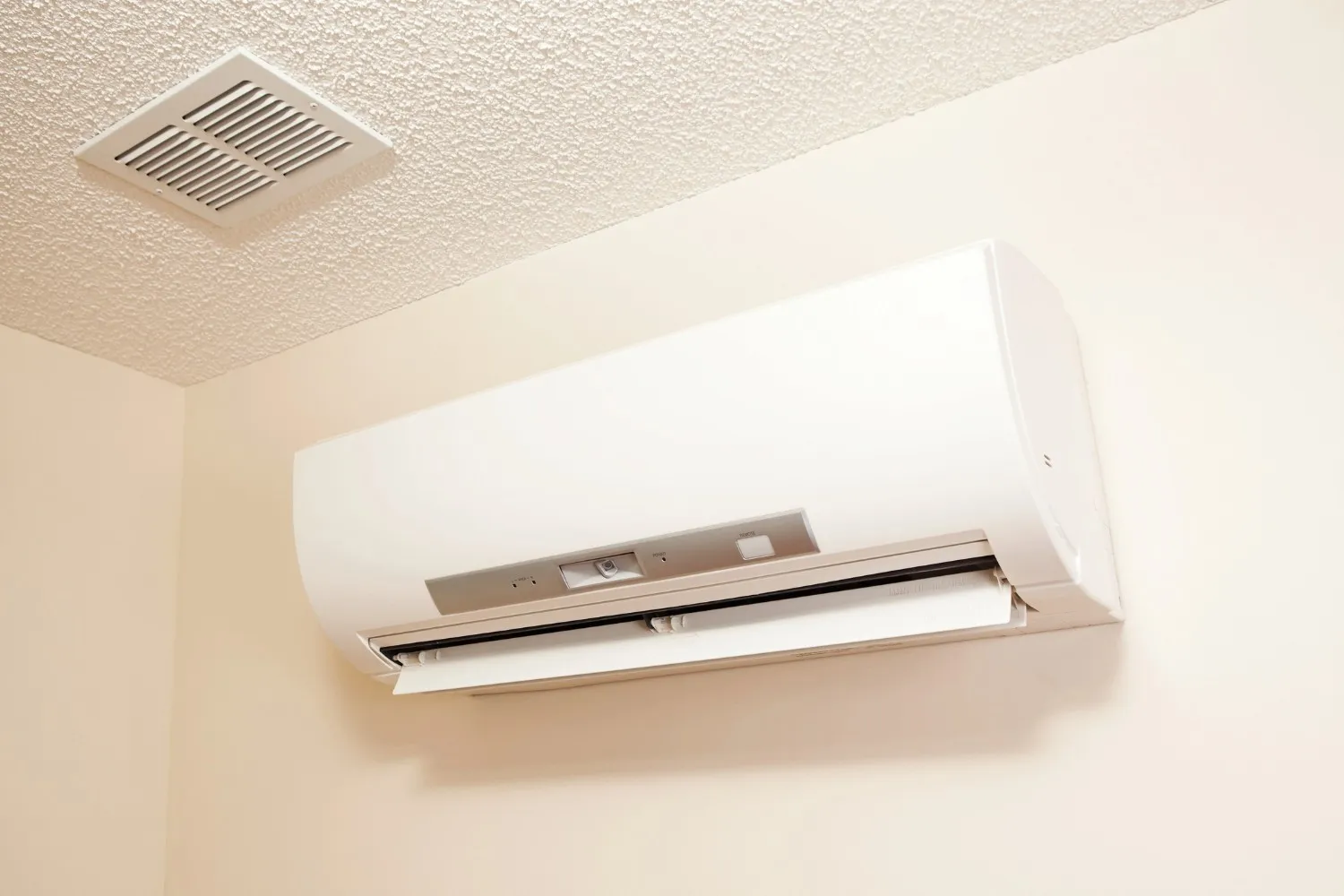
Step-by-Step Guide: Installing Your New Ductless System
A professional installation is a structured process designed to maximize the efficiency of the unit and ensure the aesthetics of your home remain intact. While the timeline is significantly faster than central air installation, specific protocols must be followed to guarantee the system operates at peak performance and meets manufacturer warranty requirements.
- Site Evaluation and Load Calculation: The process begins with a technical assessment of the space. Technicians calculate the cooling load (measured in BTUs) required for each specific zone. Factors such as room size, ceiling height, insulation quality, and window orientation are analyzed. This ensures the unit is neither undersized (which causes it to run constantly) nor oversized (which leads to short-cycling and humidity issues).
- Mounting the Indoor Unit: Once the optimal location is selected—usually on an exterior wall for easier drainage and piping—a mounting plate is secured to the interior wall. The location is chosen to ensure optimal airflow distribution throughout the room while remaining accessible for future filter cleaning.
- Drilling the Conduit Hole: One of the primary advantages of this system is the minimal structural impact. A small hole, typically three inches in diameter, is drilled through the wall behind the indoor unit. This hole serves as the pathway for the refrigerant lines, drainage tubing, and electrical wiring.
- Connecting the Lines: Technicians feed the refrigerant piping, control wiring, and condensate drain line through the conduit hole. These lines connect the indoor evaporator unit to the outdoor condenser. Great care is taken to insulate these lines properly to prevent energy loss and condensation buildup inside the wall cavity.
- Installing the Outdoor Unit: The outdoor compressor unit is placed on a concrete pad or mounted to the side of the house using sturdy brackets. It requires clearance for airflow to function correctly. The technician connects the lines coming from the house to the compressor and secures the electrical connections.
- Vacuuming and Pressure Testing: Before the refrigerant is released, the lines must be vacuumed to remove any moisture or air. This is a critical step; moisture in the lines can damage the compressor and degrade the oil. The system is pressure-tested to ensure there are absolutely no leaks in the closed loop.
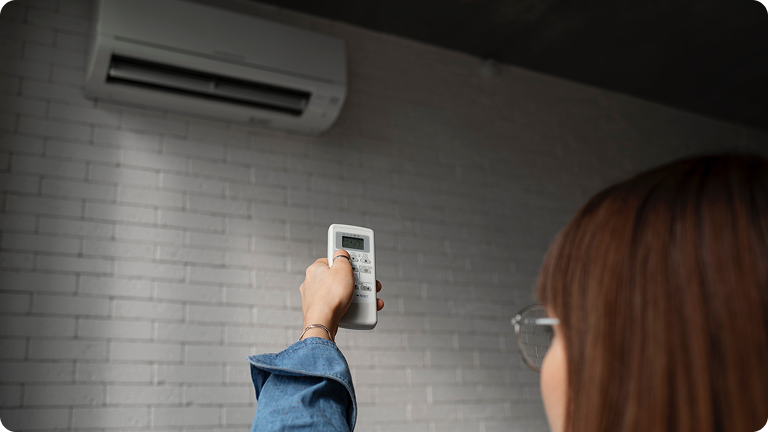
- Final Start-Up and Walkthrough: The system is charged with refrigerant and powered on. Technicians test all modes of operation, check the drainage flow, and verify the temperature differential. Finally, you receive a walkthrough of the remote control or smart-thermostat features, learning how to set schedules and adjust vanes for directional airflow.
When to Opt for a New Ductless System Over a Simple Repair
Homeowners often wrestle with the decision of whether to repair an existing cooling solution or invest in a new ductless installation. This decision usually comes down to the type of system currently in place and the long-term goals for the property. If you are currently relying on window units, the argument for replacement is overwhelming. Window units are notoriously inefficient, loud, and pose a security risk by leaving windows unlocked or easily accessible. They also block natural light and are difficult to seal against outdoor allergens and pests.
If you have an older central air system with failing ductwork, the math often favors a switch to ductless. Leaky ducts can account for up to 30% of energy loss in a standard HVAC system. Repairing or replacing a full duct network is labor-intensive and expensive. By switching to a ductless setup, you bypass the thermal loss of ductwork entirely, ensuring that every kilowatt of electricity you pay for is converted directly into conditioned air in your living space.
Furthermore, if your current cooling equipment is over 10 to 15 years old and requires a major repair—such as a compressor replacement—the cost of the repair often approaches a significant portion of a new system's price. Investing that money into an old unit with a low SEER rating yields diminishing returns. A new ductless system resets the clock on your warranty and immediately lowers monthly operational costs.
Understanding Seasonal Demands and Permit Requirements
Installing HVAC equipment in California requires strict adherence to building codes and energy standards. In Fremont, specifically, installations must comply with Title 24 energy efficiency standards. This code dictates specific requirements for equipment performance, sealing, and verification. Professional installation ensures that all work is permitted and passes the necessary city inspections. Attempting unpermitted work can lead to fines and issues when selling the home in the future.
The local climate also dictates the urgency and timing of installation. While the region enjoys a Mediterranean climate, summer temperatures frequently spike. The best time to schedule an installation is during the shoulder seasons—spring or late autumn. Waiting until a heatwave strikes in July often means contending with longer wait times as demand for service skyrockets.
Furthermore, because these regions experience wet winters, the heating capability of a ductless heat pump is a crucial asset. Unlike a standard air conditioner that sits dormant in winter, a mini-split heat pump can reverse its cycle to provide efficient heating. Understanding the drainage requirements for both cooling (condensation) and heating (defrost cycles) is vital for local installations to prevent water damage to the home’s siding or foundation during the rainy season.
Why Choose Us? Our Commitments to Excellence
Selecting the right contractor is just as important as selecting the right equipment brand. Jims Air Systems focuses on precision and long-term reliability. We do not use rule-of-thumb guesswork; every installation is planned based on the specific thermal properties of your home. We understand that a ductless unit is a visible fixture in your living space, and we treat your home with respect, ensuring lines are covered with aesthetic line-hide housing and that the work area is left spotless.
Our approach prioritizes transparency. You will understand the efficiency ratings of your new unit, how to operate the remote or smartphone app, and exactly what maintenance is required to keep the warranty valid. We focus on high-efficiency units that qualify for local rebates, helping you navigate the paperwork to maximize your savings.
Proper sizing is our differentiator. An oversized unit will cool the room too quickly, shutting off before it has removed the humidity, leading to a clammy, uncomfortable environment. An undersized unit will run continuously, driving up wear and tear. We ensure the system installed is perfectly matched to the square footage and heat load of your specific room.
Don’t Get Caught Unprepared: Install an Efficient Cooling System Now
Ensure your home is prepared for the next heatwave with a system designed for efficiency and longevity. Contact us now to secure your installation date.

Your Trusted Local AC Experts
When the summer heat hits, you need an air conditioning system you can rely on. At Jim's Air Systems, we specialize in keeping your home cool and comfortable. Whether you need an emergency repair, a seasonal tune-up, or a brand new high-efficiency air conditioner, our family is here to help.
Our Air Conditioning Services include

AC Repair
We service all makes and models, quickly diagnosing and fixing any issue.
AC Installation & Replacement
Get a perfectly sized, high-efficiency system with our owner-led design and installation process.
AC Maintenance
Prevent breakdowns and improve efficiency with our comprehensive AC tune-ups.
Signs You Needs AC Service
.svg)
Ready for a Cooler, More Comfortable Home?
Whether you need an emergency repair or a free estimate on a new, energy-efficient air conditioner, our family is ready to provide honest advice and expert service. Contact us today!