Is Your Furnace Blowing Cold Air or Refusing to Start?
Is your furnace failing to heat your home as temperatures drop, leaving your living space uncomfortably cold? You might be facing a common but solvable issue involving ignition failure, airflow restrictions, or component wear that requires immediate professional attention. Contact us immediately to schedule a diagnostic visit and restore your heat.
- Get prompt, reliable furnace repair that restores warmth and comfort quickly.
- Benefit from certified technicians who ensure your furnace operates efficiently and safely.
- Enjoy transparent pricing with no hidden costs, ensuring peace of mind throughout the repair process.
All services are backed by a comprehensive warranty and meet all local building codes.
Comprehensive Furnace Diagnostics and Repair Services
When your heating system fails in Moraga, the immediate priority is identifying the root cause of the breakdown. A furnace is a complex system of electrical, gas, and mechanical components that must work in perfect synchronization. Our service begins with a rigorous diagnostic process designed to pinpoint exactly why your system is underperforming or completely non-functional. We do not guess; we test.
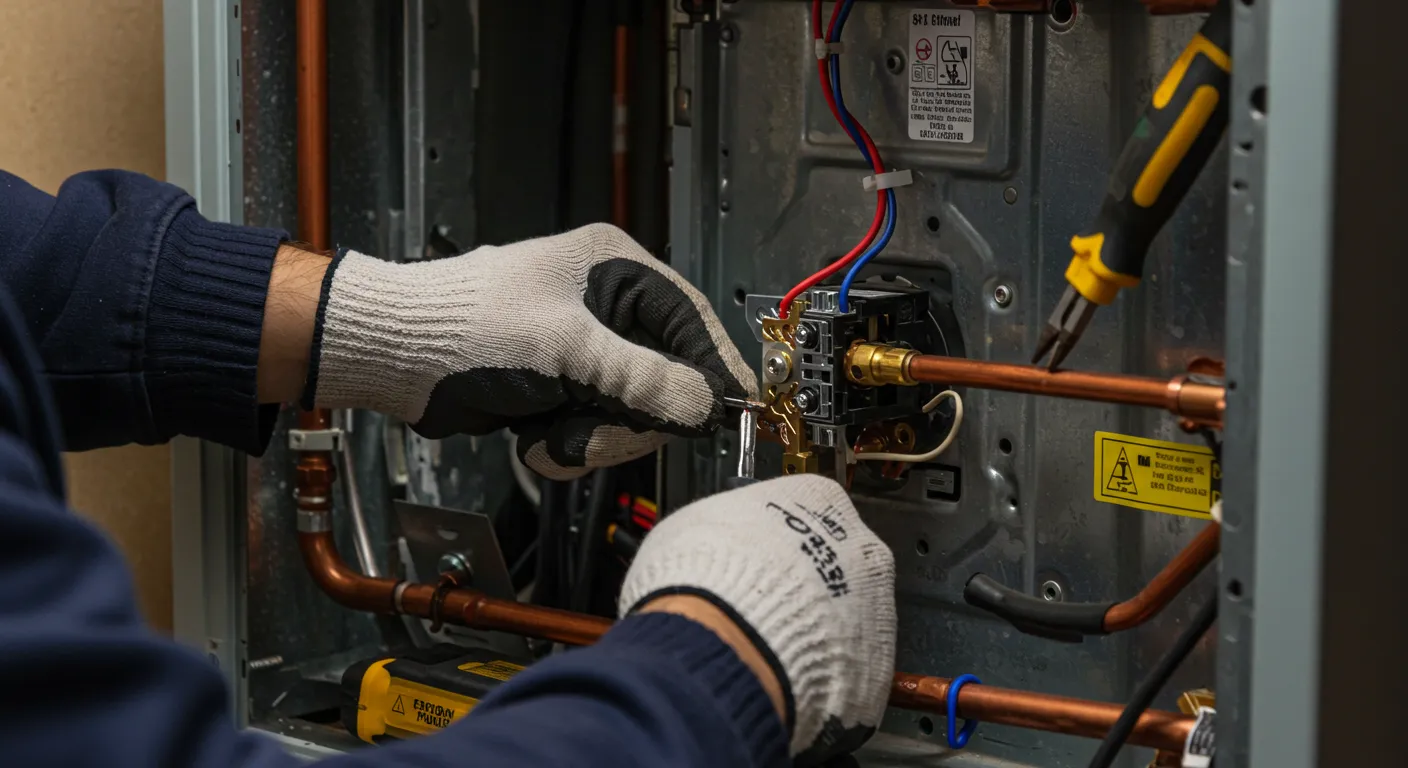
The diagnostic phase involves a point-by-point inspection of the furnace’s critical systems. Technicians examine the thermostat communication to ensure signals are reaching the control board. We analyze the electrical connections for voltage drops or loose wiring that often cause intermittent failures. For gas furnaces, we inspect the fuel line pressure, the condition of the burner assembly, and the integrity of the heat exchanger. This thorough approach ensures that we are fixing the source of the problem, not just a symptom.
Once the issue is identified, you receive a clear explanation of the failure and the necessary steps to rectify it. Whether the repair involves replacing a faulty ignitor, calibrating the blower motor, or sealing a leaking duct, the scope of work is defined before any tools are turned. You are provided with a complete assessment of your system’s current health, giving you the data needed to make an informed decision about your home’s climate control.
Addressing Common Heating Failures
Furnaces generally display specific warning signs before a total shutdown. Understanding these failure points helps in recognizing when professional intervention is required to prevent a complete loss of heat.
- Ignition Control Malfunctions: Modern furnaces use hot surface ignitors or intermittent pilots rather than standing pilot lights. These electronic components can crack or fail over time, preventing the burners from lighting even if the gas valve is open.
- Airflow Restrictions and Limit Switches: If filters are clogged or ducts are blocked, the internal temperature of the furnace rises dangerously high. The high-limit switch detects this overheating and shuts the burners off to prevent fire hazards, resulting in "short cycling" where the furnace turns on and off rapidly.
- Blower Motor Issues: The blower motor is responsible for pushing warm air through your vents. If the motor capacitor fails or the bearings seize, you may hear humming noises or experience weak airflow from the registers.
- Thermostat Calibration Errors: Sometimes the furnace is operational, but the thermostat is reading the room temperature incorrectly. This leads to the system running too long or not enough, creating uneven temperatures throughout the home.
- Flame Sensor Oxidation: The flame sensor is a safety device that confirms a fire is present. If it becomes coated in carbon or oxidation, it will shut the gas valve off as a safety precaution, even if the flame is actually lit.
The Repair Process: From Arrival to Heat Restoration
Restoring heat to your home involves a structured, safety-focused protocol. We adhere to industry standards to ensure that every repair yields long-term reliability.
- First, the technician performs a safety assessment of the immediate area. This includes checking for gas leaks and carbon monoxide presence to ensure the environment is safe for testing and repair work.
- Next, the system is put through a test cycle. The technician observes the startup sequence—from the inducer motor spinning up to the pressure switch engaging and the ignitor glowing. This observation highlights where the sequence is breaking down.
- Then, we isolate the faulty component. Using multimeters and manometers, we verify if a part is receiving power, if a switch is stuck open, or if gas pressure is within the manufacturer's specified water column inches.
- After that, the repair is executed. Defective parts are removed and replaced with OEM (Original Equipment Manufacturer) or high-quality equivalent components. This step often involves precise wiring, gas piping adjustments, or mechanical alignment.
- Finally, the system undergoes a full operational cycle. We do not leave until the furnace has run for a sustained period, bringing the home up to the set temperature. We verify that there are no unusual noises, smells, or error codes, and that the airflow is consistent across all registers.
Repair vs. Replacement: Making the Right Decision
Homeowners in Moraga often face the difficult choice between repairing an existing unit or investing in a new system. This decision relies on the age of the unit, the cost of the current repair, and the frequency of past breakdowns.
- The 50% Rule: A general industry standard suggests that if the cost of the repair approaches 50% of the cost of a new system, replacement is the more financially sound option. Putting significant money into an old unit often yields diminishing returns.
- System Age: The average lifespan of a well-maintained gas furnace is between 15 and 20 years. If your system is nearing the two-decade mark, parts may be obsolete or difficult to source, making repairs more expensive and time-consuming.
- Efficiency Considerations: Older furnaces often operate at 60-70% AFUE (Annual Fuel Utilization Efficiency), meaning 30-40 cents of every dollar spent on gas is wasted. Newer models can achieve up to 98% efficiency. If your utility bills are skyrocketing, a repair might fix the mechanical issue, but it won’t fix the efficiency problem.
- Heat Exchanger Integrity: If the heat exchanger—the metal barrier between the combustion chamber and the air you breathe—is cracked, replacement is almost always mandatory for safety reasons. A compromised heat exchanger risks leaking carbon monoxide into the home.
Local Considerations for Moraga Homeowners
Operating a heating system in Moraga requires specific attention to the local Mediterranean climate. While winters are generally mild, the wet season from December through February brings humidity and damp cold that can strain heating systems differently than in dry, freezing climates.
- Moisture and Corrosion: The influx of moisture during the rainy season can accelerate rust and corrosion on internal furnace components, particularly if the unit is located in a garage, attic, or crawlspace that is not perfectly sealed. Electrical contacts can oxidize, leading to intermittent failures.
- Permitting and Codes: Significant modifications to your HVAC system, particularly those involving gas lines or flue venting, require adherence to California building codes and local Contra Costa County regulations. Jims Air Systems ensures that all repairs and alterations remain compliant with current safety standards, protecting your home’s value and insurability.
- Utility Rebates and Efficiency Standards: Local utility providers often offer rebates for upgrading to high-efficiency systems or performing specific maintenance tasks that reduce load on the grid. Staying informed about these programs can offset repair or replacement costs.
- Seismic Safety: Located in a seismically active region, furnaces in this area must be properly braced and strapped. During a repair visit, it is prudent to check that gas lines have flexible connectors and that the unit is securely anchored to prevent damage during an earthquake.
Why Professional Service Matters
Attempting DIY repairs on a modern furnace is dangerous and rarely effective. Modern high-efficiency units are driven by computer boards and complex algorithms that require specialized diagnostic tools.
- Safety Assurance: Handling natural gas and high-voltage electricity requires certification. A professional technician ensures that all gas connections are leak-free and that electrical grounds are secure, eliminating fire and shock hazards.
- Proper Tooling: Diagnosing a cracked heat exchanger often requires combustion analysis tools and cameras that the average homeowner does not possess. Without these tools, critical safety issues can be missed.
- Warranty Preservation: Most manufacturer warranties are contingent upon proof of professional service. DIY attempts or using unlicensed handymen can void the warranty, leaving you responsible for the full cost of future parts, including expensive components like compressors or heat exchangers.
- Accurate Diagnosis: Swapping parts based on a hunch is expensive. Professionals use schematics and testing procedures to identify the exact point of failure, ensuring you only pay for what is actually broken.
Ensuring Long-Term Reliability
Once a repair is completed, the focus shifts to maintaining that performance. A furnace that has been repaired is functional, but without ongoing attention, the same issues can recur. Regular attention to the system ensures that the investment made in the repair extends the life of the unit for as long as possible.
- Air Filter Discipline: The single most common cause of furnace failure is a dirty air filter. In Moraga, where pollen counts can be high in spring and dust accumulates in dry summers, filters should be checked monthly. A clean filter protects the blower motor and heat exchanger from overheating.
- Vent and Flue Clearance: Ensure that the exhaust flue on the roof or side of the house is clear of debris, bird nests, or vegetation. Blocked venting forces carbon monoxide back into the unit, triggering safety shutdowns.
- Return Air Availability: keep furniture and drapes away from return air grilles. The furnace needs to "breathe" to circulate air. Starving the system of air causes the motor to work harder, increasing wear and energy consumption.
Restoring Your Home's Comfort
A broken furnace disrupts your daily life and compromises the comfort of your home. When the heat goes out, you need a solution that is fast, technical, and permanent. We focus on delivering repairs that stand up to the local winter conditions, ensuring your system runs safely and efficiently.
Our approach prioritizes technical accuracy and customer transparency. You receive a detailed breakdown of the issue, a clear path to resolution, and the expertise required to execute the repair correctly the first time. Whether it is a minor electrical fix or a major component replacement, the goal remains the same: reliable heat for your home.
Don’t Stay in the Cold: Get Immediate, Expert Furnace Repair Now
Don't let a heating breakdown leave you in the cold this season. Trust the experts who understand the intricacies of local climate needs and high-efficiency heating systems. Jims Air Systems is prepared to diagnose your issue and restore your comfort immediately.
Schedule your furnace repair service today and ensure your home stays warm all winter long.

Your Trusted Local AC Experts
When the summer heat hits, you need an air conditioning system you can rely on. At Jim's Air Systems, we specialize in keeping your home cool and comfortable. Whether you need an emergency repair, a seasonal tune-up, or a brand new high-efficiency air conditioner, our family is here to help.
Our Air Conditioning Services include

AC Repair
We service all makes and models, quickly diagnosing and fixing any issue.
AC Installation & Replacement
Get a perfectly sized, high-efficiency system with our owner-led design and installation process.
AC Maintenance
Prevent breakdowns and improve efficiency with our comprehensive AC tune-ups.
Signs You Needs AC Service
.svg)
Ready for a Cooler, More Comfortable Home?
Whether you need an emergency repair or a free estimate on a new, energy-efficient air conditioner, our family is ready to provide honest advice and expert service. Contact us today!