
Immediate Relief for Your HVAC Concerns
Struggling with unpredictable HVAC breakdowns in Moraga's varied climate means facing sweltering inland summers and damp, chilly winters without a defense system. Call us or contact us online to secure your comfort immediately.
Experience hot summers and rainy winters without hassle or unexpected failures. When your climate control system falters, you need a solution that addresses the root cause rather than a temporary bandage.
- Quick, reliable repairs—usually performed within the same day to restore order to your home.
- Professional installations ensuring year-round comfort and adherence to manufacturer specifications.
- Energy-efficient solutions designed to cut down your monthly utility bills significantly.
All services are backed by certified permits, extensive warranties, and flexible financing options to ensure the job is done right.
Comprehensive Climate Control Solutions
Your home requires a mechanical system capable of handling distinct shifts in weather. A standard service visit goes beyond simply changing a filter or checking a thermostat; it involves a deep analysis of airflow, mechanical integrity, and energy consumption. Homeowners in Moraga face specific challenges due to the Mediterranean climate, where thermal loads shift drastically between the wet season and the dry, high-heat summer months.
Comprehensive service covers every aspect of your heating and cooling infrastructure. This includes the central air conditioning unit, the furnace or heat pump, ductwork integrity, and indoor air quality mechanisms. When you request service, the goal is to identify inefficiencies that are costing you money and compromising your comfort.
Typical service appointments address the following:
- System Diagnostics: Technicians utilize advanced gauges and software to read pressure levels, electrical voltage, and amperage draws. This data reveals hidden issues within the compressor or blower motor before they result in a catastrophic failure.
- Airflow Optimization: Uneven cooling or heating often stems from ductwork issues rather than the unit itself. Balancing dampers and sealing leaks ensures that conditioned air reaches every room, rather than leaking into the attic or crawlspace.
- Refrigerant Management: For air conditioners, correct refrigerant levels are critical. Leaks are identified, sealed, and recharged to manufacturer specifications to prevent the coil from freezing and to maintain cooling capacity.
- Component Lubrication and Tightening: Moving parts create friction and vibration. Systematically lubricating bearings and tightening electrical connections prevents overheating and reduces the risk of electrical fires or short circuits.
- Safety Inspections: Gas furnaces require rigorous checking of the heat exchanger for cracks to prevent carbon monoxide leaks. Pilot lights, thermocouples, and gas valves are tested for precise operation.
Jims Air Systems ensures that every component functions as a cohesive unit, extending the lifespan of your equipment and maintaining the manufacturer’s warranty validity.

The System Replacement and Installation Protocol
Installing a new HVAC system is a construction project that integrates complex machinery into your home’s existing infrastructure. It is not a plug-and-play appliance purchase. The difference between a system that lasts 10 years and one that lasts 20 years often comes down to the quality of the installation.
A correct installation begins long before the new unit arrives at your property. It starts with data. The installation process follows a strict technical sequence:
- Load Calculation: Technicians perform a Manual J calculation. This assesses the square footage, insulation levels, window types, and orientation of the home to determine the exact BTU capacity required. Guessing size leads to short-cycling (if too big) or constant running (if too small).
- Ductwork Assessment: The existing duct system is evaluated to ensure it can handle the airflow of the new, more efficient unit. modifications are planned if the static pressure is too high.
- Safe Removal: The old equipment is disconnected. Refrigerant is recovered according to EPA guidelines to prevent environmental contamination. The old unit is hauled away for proper recycling.
- Site Preparation: The installation area, whether in a closet, garage, or attic, is prepped. This may involve reinforcing flooring, installing safety overflow pans, or upgrading electrical disconnect boxes to meet current codes.
- Equipment Setting: The condenser (outdoor unit) and air handler/furnace (indoor unit) are leveled and secured. Leveling is vital for proper oil return to the compressor and drainage of condensate.
- Connection and Brazing: Refrigerant lines are connected and brazed with nitrogen purging to prevent oxidation inside the pipes. This step is critical for preventing future blockages in the expansion valve.
- Vacuum and Charge: A deep vacuum is pulled on the system to remove moisture and non-condensables. The system is then charged with the precise amount of refrigerant, adjusted for the length of the lineset.
- Commissioning: The system is fired up. Technicians measure static pressure, temperature split (the difference between supply and return air), and electrical draw to certify the system is performing to its SEER2 and HSPF2 ratings.
Deciding Between Repair and Replacement
Determining whether to invest in a major repair or opt for a full system replacement is a financial and logical decision. It requires weighing the immediate cost of repair against the long-term efficiency and reliability of a new system. Homeowners often grapple with this choice when facing a failed compressor, a cracked heat exchanger, or an out-of-warranty motor failure.
There are concrete metrics you can use to navigate this decision. Emotional attachment to an old unit or fear of the replacement cost should not cloud the mathematical reality of the situation.
Consider replacement if these factors apply:
- The 50% Rule: If the cost of the repair approaches or exceeds 50% of the value of the system (or the cost of a new system), replacement is generally the wiser financial move.
- Age of the Unit: Most air conditioners and heat pumps have a service life of 10 to 15 years. Furnaces may last 15 to 20. If your equipment is in this age bracket and requires a significant repair, the likelihood of another component failing soon is high.
- Refrigerant Type: If your AC utilizes R-22 (Freon), it is obsolete. R-22 production has ceased, making repairs incredibly expensive. Upgrading to a system that uses R-410A or newer refrigerants is necessary for future serviceability.
- Frequency of Breakdowns: If you have required repairs more than twice in the last two years, the system is becoming a money pit. The cumulative cost of minor repairs often exceeds the monthly payments on a new, financed system.
- Efficiency Ratings: Older units likely operate at 8 to 10 SEER. Modern units start at 14.3 SEER2 and go much higher. The energy savings alone can often offset a significant portion of the installation cost over time.
- Comfort Issues: If some rooms are always too hot or too cold, or if the unit runs constantly without satisfying the thermostat, the system may have been improperly sized originally or has lost significant capacity.
Navigating Local Regulations and Environmental Factors
Operating HVAC equipment in Moraga involves navigating specific local building codes and environmental realities. The region’s geography plays a significant role in how systems must be configured. The shift from wet, cool winters to dry, intense summers places heavy stress on equipment, necessitating robust waterproofing for outdoor units and high-capacity drainage for air conditioning condensate.
Local regulations are designed to ensure safety and energy efficiency. Compliance is not optional; it is required for the legality of the installation and the safety of the occupants.
Key local considerations include:
- Title 24 Compliance: California’s energy code (Title 24) sets strict standards for HVAC alterations. This includes duct sealing verification and refrigerant charge testing. Documentation must be submitted to the local building department to prove the system meets efficiency benchmarks.
- Permitting: Replacement of furnaces and air conditioners requires a building permit. This triggers a third-party inspection to verify the safety of gas lines, electrical connections, and venting. Non-permitted work can complicate home sales later.
- Noise Ordinances: Local noise regulations dictate the placement and decibel rating of outdoor condenser units. Modern systems are quieter, but placement relative to property lines must still be calculated to avoid neighbor disputes and code violations.
- Wildfire Smoke and IAQ: Given the regional risk of wildfires, indoor air quality (IAQ) is a major concern. Many homeowners are opting to install upgraded filtration systems (MERV 13 or higher) or whole-home air purifiers to handle particulate matter during fire season.
- PG&E Rebates and Incentives: Various local and state programs offer rebates for upgrading to high-efficiency heat pumps or energy-star-rated appliances. Navigating these applications often requires specific invoice details and model numbers provided by the contractor.
The Value of Technical Precision
In an industry where equipment specifications are standardized, the variable that determines success is the skill of the technician. High-efficiency equipment installed poorly will perform worse than standard equipment installed perfectly. The focus must always be on the technical execution of the service.
The difference lies in the tools used and the training applied. Modern HVAC equipment is laden with sensors and circuit boards that require digital diagnostics, not just mechanical intuition. A technician must understand airflow dynamics, thermodynamics, and low-voltage electricity.
Differentiators in service quality include:
- NATE Certification: Technicians who hold North American Technician Excellence certification have proven their knowledge through rigorous testing. This industry standard ensures you are not paying for on-the-job training.
- Detailed Load Calculations: Skipping the math leads to oversized units that clammy the air without cooling it, or undersized units that run perpetually. Precision in sizing is non-negotiable.
- Ductwork Analysis: Ignoring the ducts is like putting a new engine in a car with flat tires. Evaluating static pressure and leakage ensures the paid-for energy actually reaches the living space.
- Warranty Processing: Professional providers handle the registration of equipment warranties on your behalf, ensuring you receive the full 10-year parts coverage rather than the default 5-year coverage.
- Inventory Availability: Trucks stocked with universal parts mean repairs happen on the first visit, not days later after parts are ordered.
Secure Your Comfort Today
Your home’s comfort system is critical infrastructure. Delays in service or incorrect installations lead to compounded costs and diminished quality of life. Whether you are facing an emergency breakdown or planning a proactive replacement, the focus remains on technical accuracy, code compliance, and long-term reliability.
Make the decision to prioritize efficiency and reliability. Ensure your home remains a sanctuary against the heat and the cold.
Contact us today to schedule your comprehensive assessment and restore performance to your HVAC system.
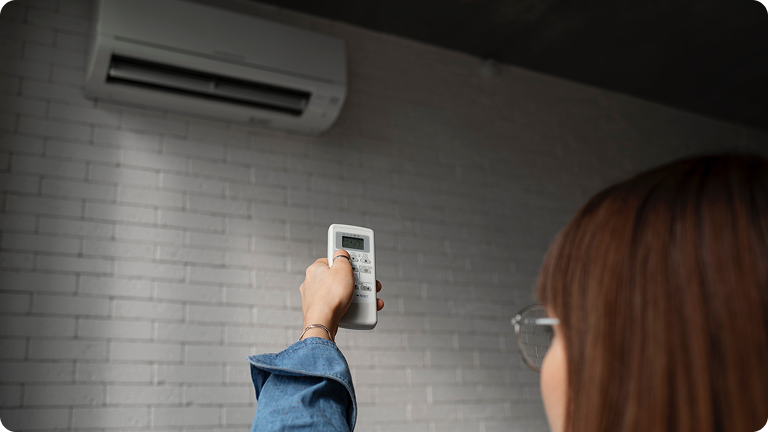

Your Trusted Local AC Experts
When the summer heat hits, you need an air conditioning system you can rely on. At Jim's Air Systems, we specialize in keeping your home cool and comfortable. Whether you need an emergency repair, a seasonal tune-up, or a brand new high-efficiency air conditioner, our family is here to help.
Our Air Conditioning Services include

AC Repair
We service all makes and models, quickly diagnosing and fixing any issue.
AC Installation & Replacement
Get a perfectly sized, high-efficiency system with our owner-led design and installation process.
AC Maintenance
Prevent breakdowns and improve efficiency with our comprehensive AC tune-ups.
Signs You Needs AC Service
.svg)

Frequently Asked Questions

We recommend having your air conditioning system professionally serviced once a year, ideally in the spring, to ensure it's ready for the summer heat.
Yes! Jim’s Air Systems is a family-owned and operated business. We take pride in delivering honest, reliable service and treating our customers like family, with a strong focus on quality workmanship and long-term relationships.
A trained, licensed HVAC professional from Jim’s Air Systems will visit your home for the estimate. Our technician will assess your needs, answer your questions, and provide a clear, upfront estimate with no pressure or hidden fees.
Ready for a Cooler, More Comfortable Home?
Whether you need an emergency repair or a free estimate on a new, energy-efficient air conditioner, our family is ready to provide honest advice and expert service. Contact us today!