
Unreliable Temperature Control Disrupting Your Comfort?
Facing unexpected HVAC breakdowns can disrupt your comfort and routine, especially during the extreme seasonal shifts common in this region. Whether you are dealing with a furnace failure during a winter cold snap or an air conditioner outage during a Moraga heatwave, you need quick, reliable installations to restore your perfect home climate. Contact us today to schedule your consultation or discuss available financing options.
- Rapid response scheduling available to address urgent heating and cooling needs.
- Expert installations featuring energy-efficient systems specifically sized for Moraga’s Mediterranean climate.
- Clear, upfront pricing structures with flexible financing options to suit your specific budget.
All installations performed by Jims Air Systems comply strictly with local building codes and are backed by comprehensive warranties and attractive financing plans.
What to Expect From a Modern HVAC Installation
Investing in a new heating and cooling system is a significant decision that impacts your home's energy efficiency and daily comfort for the next 15 to 20 years. When you choose a professional installation, you are not just buying a piece of equipment; you are purchasing a comprehensive service that ensures the equipment performs at its rated efficiency.
A complete installation project involves much more than swapping out boxes. The scope of work typically includes a full assessment of your current ductwork, electrical capacity, and gas lines. Older homes often require modifications to accommodate modern, high-efficiency units which are physically larger and technically more advanced than their predecessors.
Regarding timeline, most standard residential change-outs are completed within a single day. However, more complex projects involving new ductwork, zoning systems, or converting from a furnace to a heat pump may extend to two days. The goal is always to minimize downtime so your household returns to normal quickly.
Included in a standard installation service:
- Load Calculation: Performing a Manual J load calculation to ensure the new unit is the exact size required for the square footage and thermal characteristics of your home.
- Site Protection: Using drop cloths and shoe covers to protect flooring and furniture during the removal of old equipment.
- System Removal: Safe disconnection and environmentally responsible disposal of the existing furnace, air conditioner, and refrigerant.
- Code Upgrades: updating gas valves, electrical disconnects, and flue piping to meet current safety standards.
- Commissioning: Detailed start-up procedures to charge the refrigerant to manufacturer specifications and balance airflow.

The Installation Process: Step-by-Step
Understanding the workflow helps homeowners prepare for the installation day. A structured process ensures that no detail is overlooked and that the system operates safely from the moment it is turned on.
Site Assessment and Sizing
The process begins before the truck arrives. Technicians verify the heat load requirements. In Moraga, where summer temperatures can spike, undersized units run constantly without cooling effectively, while oversized units short-cycle, leading to humidity issues. Accurate sizing is the foundation of a successful install.
Preparation and Safety Setup
Upon arrival, the crew secures the workspace. This includes turning off gas and electrical supplies to the HVAC equipment. Technicians lay down protective coverings to prevent damage to carpets or hardwood floors. If the unit is located in an attic or crawlspace, safe access paths are established.
Removal of Existing Equipment
The old unit is disconnected. If it is an air conditioner or heat pump, the EPA-certified technicians must recover the refrigerant into a sealed tank rather than venting it into the atmosphere. The old copper line sets, electrical whips, and thermostat wiring are inspected. If they are worn or incompatible with the new system, they are removed.
Positioning the New Hardware
The new indoor coil and furnace (or air handler) are positioned and leveled. For outdoor condensers, a new composite pad is often laid down to ensure the unit sits level and above ground moisture. Proper leveling is critical for the compressor's longevity and proper drainage of condensate.
Connecting Components
This is the most technical phase. Technicians braze copper refrigerant lines using nitrogen purging to prevent oxidation inside the pipes. High-voltage electrical wiring is connected to the disconnect box, and low-voltage control wiring is run to the thermostat. For gas furnaces, rigid or flexible gas piping is connected and leak-tested.
Ductwork and Airflow Adjustments
The supply and return plenums are sealed to the new unit using mastic or metal tape to prevent air leakage. If the new unit has different dimensions than the old one, a transition piece is fabricated to ensure smooth airflow.
System Commissioning and Testing
Once physically installed, the system is not just turned on; it is commissioned. This involves pulling a vacuum on the refrigerant lines to remove moisture, weighing in the correct amount of refrigerant, and measuring static pressure in the ducts. The technician will verify that the temperature split (the difference between air entering and leaving the unit) is within the manufacturer's specified range.
Deciding Between Repair and Replacement
Determining whether to pour more money into an aging system or invest in a replacement is a common dilemma. While repairs are often cheaper upfront, they can be cost-prohibitive in the long run if the system is nearing the end of its lifecycle.
There are specific thresholds where replacement becomes the financially sound choice.
The 50% Rule
If the cost of a necessary repair approaches 50% of the value of a new system, replacement is generally recommended. For example, replacing a compressor or a cracked heat exchanger is labor-intensive and expensive. Putting that money toward a new unit with a fresh warranty often yields a better return on investment.
System Age
The Department of Energy suggests that air conditioners usually last 10 to 15 years, while furnaces last 15 to 20 years. If your equipment is within this age range and requires a significant repair, it is likely that other components will fail soon. Replacing it preemptively avoids the stress of an emergency breakdown.
Rising Energy Bills
HVAC technology has improved drastically in the last decade. Older systems often have SEER (Seasonal Energy Efficiency Ratio) ratings of 10 or 12. Modern standards and high-efficiency units can reach SEER ratings of 20 or higher. If your utility bills have been steadily climbing despite normal usage, the equipment has likely lost efficiency or is simply outdated.
Comfort and Air Quality Issues
If some rooms in your home are always too hot or too cold, or if you notice excessive dust and humidity issues, an old single-stage system may be to blame. Newer two-stage or variable-speed systems offered by Jims Air Systems provide more consistent temperatures and better dehumidification by running at lower speeds for longer periods.
Refrigerant Type
Older AC units use R-22 (Freon), which has been phased out due to environmental regulations. R-22 is becoming incredibly expensive and difficult to source. If an older unit develops a refrigerant leak, upgrading to a system that uses R-410A or newer eco-friendly refrigerants is the only viable long-term solution.
Navigating Local Requirements in Moraga
Installing HVAC equipment involves navigating a landscape of local building codes, permit requirements, and climate-specific challenges. Compliance is not optional; it ensures the safety of your home and the validity of your insurance coverage.
Permitting and Inspections
In Moraga and the surrounding Contra Costa County area, almost all HVAC replacements require a building permit. This process involves submitting a design verification to the local building department. Once the work is done, a third-party HERS (Home Energy Rating System) rater may need to test the ductwork for leakage and verify refrigerant charge. A final inspection by a city official ensures the installation meets safety codes, such as proper clearance from property lines and correct electrical grounding.
Climate Considerations
The local climate is Mediterranean, characterized by wet, mild winters and hot, dry summers. This dual demand requires a balanced system. While cooling is the priority during the summer peak, heating is essential for comfort during winter nights. Heat pumps have become increasingly popular here as they handle both heating and cooling efficiently, often utilizing electricity which can be offset by solar panels, a common feature in the area.
Noise Ordinances
Local noise ordinances can dictate where an outdoor condenser can be placed. Modern units are significantly quieter than older models, but placement relative to neighbors' windows and property lines must still be calculated to avoid violations.
Title 24 Compliance
California’s Title 24 energy standards are among the strictest in the nation. New installations often trigger requirements for programmable thermostats, duct sealing, and insulation inspections. A professional installer handles all documentation related to Title 24 to ensure the homeowner is fully compliant.
Rebates and Incentives
Various programs, such as TECH Clean California or BayREN, often offer rebates for switching to high-efficiency heat pumps or upgrading outdated gas furnaces. Additionally, federal tax credits under the Inflation Reduction Act can significantly offset the cost of installation. These incentives are subject to change and often require specific equipment ratings to qualify.
Technical Differentiators in Professional Installation
The longevity of a heating and cooling system is determined 80% by the quality of the installation and only 20% by the brand of the equipment. A top-tier brand installed poorly will fail sooner and run less efficiently than a mid-tier brand installed perfectly.
Ductwork Modifications
Many equipment failures are actually ductwork failures. If the ducts are too small, the system "suffocates," causing the blower motor to overheat and the compressor to fail prematurely. Professional installers analyze static pressure and modify plenums or add return air drops to ensure the system breathes freely.
Refrigerant Charge Accuracy
An incorrect refrigerant charge drastically reduces efficiency and capacity. If undercharged, the coil freezes; if overcharged, the compressor risks damage. Professionals use digital gauges and subcooling/superheat calculations to dial in the charge to the exact ounce.
Electrical Safety
HVAC systems draw significant power. Loose connections or undersized wire gauges create fire hazards. Installers torque all electrical connections to spec and ensure the breaker size matches the unit’s maximum overcurrent protection rating.
Drainage Management
Condensing furnaces and air conditioners produce water. If this water backs up, it can damage ceilings and floors. Professional installation includes redundant drainage systems, such as primary and secondary drain lines, along with safety float switches that shut the unit down before water can overflow.
Selecting the Right System Configuration
There is no "one size fits all" in HVAC. The architecture of your home dictates the best mechanical solution.
- Split Systems: The most common setup, consisting of an outdoor condenser and an indoor furnace/coil. This is ideal for homes with existing ductwork and ample attic or crawlspace room.
- Packaged Units: In some homes, particularly those with flat roofs or limited indoor space, all components are housed in a single metal cabinet located outside. These maintain a small footprint but require robust weatherproofing.
- Ductless Mini-Splits: For room additions, garages, or older homes without ductwork, ductless systems offer high efficiency and zoning capabilities. They allow you to control the temperature in individual rooms independently.
- Dual Fuel Hybrids: This configuration pairs an electric heat pump with a gas furnace. The heat pump handles moderate heating loads efficiently, while the gas furnace takes over during extreme cold snaps. This optimizes energy costs based on outdoor temperatures.
Request Your Comprehensive Installation Quote Today
Upgrading your home’s environmental control system is a major step toward energy independence and consistent comfort. By addressing the specific load requirements of your property and adhering to the stringent codes of the region, you ensure a system that operates quietly and efficiently for years. Trusting Jims Air Systems for your replacement ensures that every technical detail, from load calculations to final permitting, is handled with precision.
Secure your comfort today by contacting our team for a comprehensive installation quote.
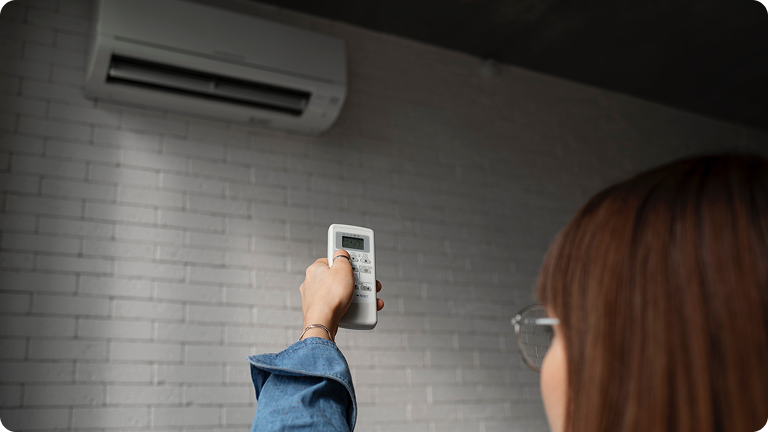

Your Trusted Local AC Experts
When the summer heat hits, you need an air conditioning system you can rely on. At Jim's Air Systems, we specialize in keeping your home cool and comfortable. Whether you need an emergency repair, a seasonal tune-up, or a brand new high-efficiency air conditioner, our family is here to help.
Our Air Conditioning Services include

AC Repair
We service all makes and models, quickly diagnosing and fixing any issue.
AC Installation & Replacement
Get a perfectly sized, high-efficiency system with our owner-led design and installation process.
AC Maintenance
Prevent breakdowns and improve efficiency with our comprehensive AC tune-ups.
Signs You Needs AC Service
.svg)

Frequently Asked Questions

We recommend having your air conditioning system professionally serviced once a year, ideally in the spring, to ensure it's ready for the summer heat.
Yes! Jim’s Air Systems is a family-owned and operated business. We take pride in delivering honest, reliable service and treating our customers like family, with a strong focus on quality workmanship and long-term relationships.
A trained, licensed HVAC professional from Jim’s Air Systems will visit your home for the estimate. Our technician will assess your needs, answer your questions, and provide a clear, upfront estimate with no pressure or hidden fees.
Ready for a Cooler, More Comfortable Home?
Whether you need an emergency repair or a free estimate on a new, energy-efficient air conditioner, our family is ready to provide honest advice and expert service. Contact us today!