
Is Your Heating System Failing During the Coldest Months?
Is your home feeling chilly despite running the furnace, or has the unit stopped responding to the thermostat entirely? You might need a professional repair to restore comfort and safety to your home without delay. For immediate scheduling and diagnostic services, contact us directly to get a technician to your door.
When the temperature drops, a malfunctioning heater is more than an inconvenience; it affects your family's safety and well-being. Residents in Concord rely on functional heating systems to combat damp, chilly winter nights. We provide a streamlined repair process designed to get your heat back on as quickly as possible.
- Get reliable service with same-day appointments available for urgent heating needs.
- Expert technicians are available 24/7 to handle any emergency repair or breakdown.
- Comprehensive inspections and repairs are backed by satisfaction guarantees to ensure the fix lasts.
All work is performed by licensed professionals with available financing options to make unexpected repairs manageable.
What You Can Expect From Professional Furnace Repair
When you schedule a service call, the immediate goal is to accurately identify the root cause of the failure and provide a viable solution. Modern heating systems are complex appliances that integrate gas lines, electrical circuits, and airflow mechanics. A professional service visit goes beyond a quick fix; it involves a systematic evaluation of the entire unit to ensure efficiency and safety.
Homeowners in Concord often face heating issues that stem from wear and tear, lack of maintenance, or specific component failures. A professional diagnostic visit typically covers a wide range of checkpoints. You receive a detailed assessment of the heat exchanger, blower motor, ignition system, and safety switches. The focus is on transparency. You will be informed of exactly what component has failed, why it failed, and what is required to fix it.
Service appointments generally include:
- Comprehensive System Diagnostics: Technicians utilize advanced tools to test electrical voltage, gas pressure, and airflow rates. This data pinpoints inefficiencies or broken parts that are not visible to the naked eye.
- Safety Inspections: A critical part of the service involves checking for carbon monoxide leaks and ensuring the flue pipe is venting properly. This is essential for gas furnaces to prevent hazardous fumes from entering the living space.
- Upfront Pricing: Before any wrench is turned, you receive a quote for the necessary repairs. This eliminates surprise fees and allows you to make an informed decision about your property.
- Parts and Labor Warranty: Professional repairs come with guarantees on the parts installed and the workmanship provided, offering peace of mind that the issue is resolved for the long term.
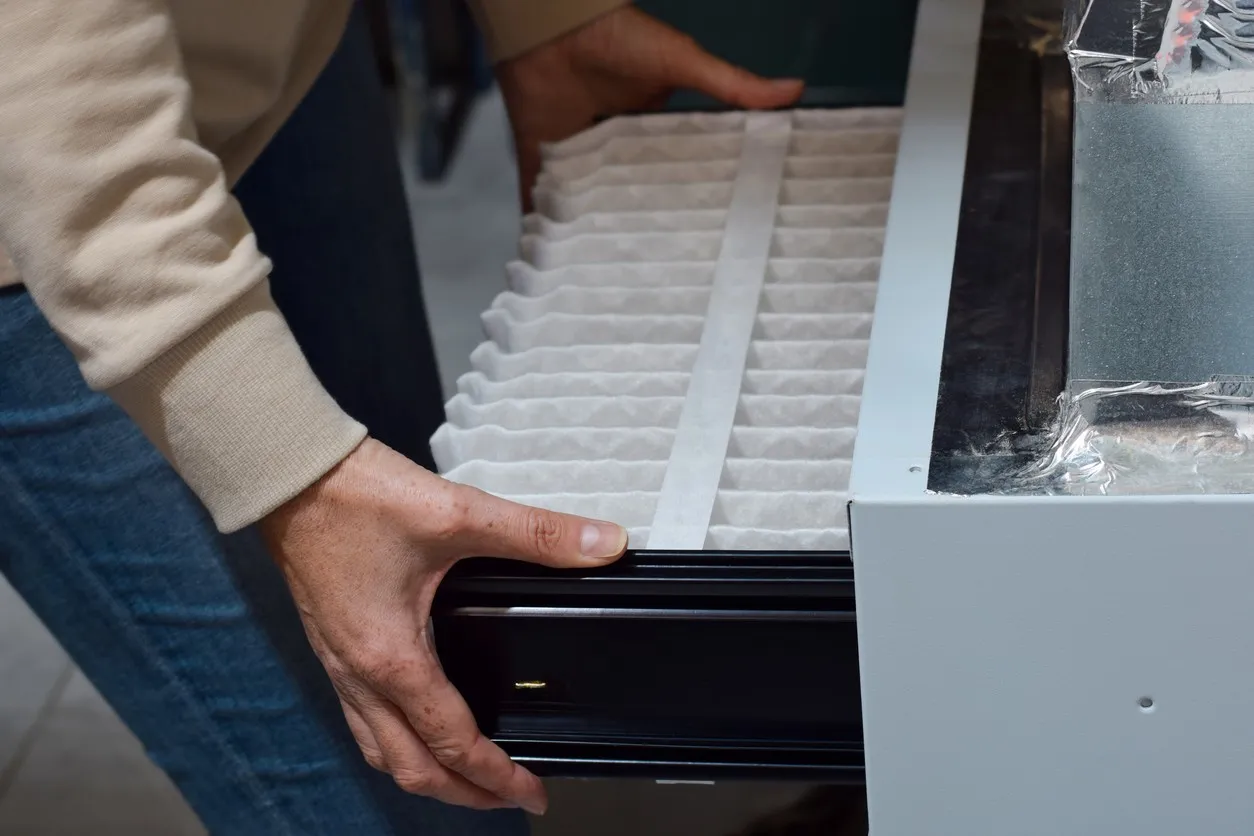
The Furnace Repair and Diagnosis Process
Understanding how a technician approaches a broken furnace helps alleviate the stress of the situation. The process is designed to be efficient, minimizing disruption to your daily routine while ensuring the highest standard of safety.
Initial Assessment and Safety Check
First, the technician arrives and speaks with you about the specific symptoms you are experiencing, such as strange noises, short cycling, or a complete lack of heat. Before opening the unit, they will often check the thermostat to rule out control issues. Once at the furnace, the first priority is safety. The technician shuts off power and gas to the unit to perform a visual inspection, looking for obvious signs of damage like soot buildup, loose wires, or rust.
Component Testing and Troubleshooting
Next, the technician uses specialized meters to test individual components. They verify that the ignitor is glowing or sparking correctly and that the flame sensor is detecting heat. They check the blower motor capacitor to ensure the fan has enough power to start and run. If the furnace is turning on but not staying on, they inspect the pressure switch and the inducer motor to ensure the unit is properly venting exhaust gases. This step-by-step isolation of variables ensures the correct part is identified.
Reviewing Findings and Execution
After diagnosing the issue, Jims Air Systems technicians provide a clear explanation of the findings. You are presented with the repair options, including the cost of parts and labor. Upon your approval, the repair is performed. This may involve replacing a hot surface ignitor, swapping out a faulty circuit board, or clearing a clogged condensate trap in high-efficiency models.
Final Testing and Calibration
Finally, once the new part is installed, the system is not just turned on; it is calibrated. The technician measures the temperature rise—the difference in air temperature entering and leaving the furnace—to ensure it falls within the manufacturer’s specified range. They also check the gas manifold pressure to ensure the burners are firing efficiently. The cycle is observed from start to finish to confirm the system shuts down properly without overheating.
Deciding Between Repair and System Replacement
One of the most difficult decisions a homeowner faces is whether to invest in repairing an aging unit or to opt for a full replacement. While repairs are often the most immediate and cost-effective solution, there are specific scenarios where replacement becomes the smarter financial move.
This decision usually comes down to three main factors: the age of the system, the cost of the repair, and the frequency of breakdowns.
The 50% Rule
A common industry standard for decision-making is the 50% rule. If the cost of the necessary repair approaches or exceeds 50% of the cost of a new system, replacement is generally recommended. For example, replacing a cracked heat exchanger is a labor-intensive and expensive job. If the unit is already out of warranty, the money spent on such a major repair is often better invested in a new, more reliable unit with a fresh warranty.
System Age and Efficiency
Furnaces typically have a lifespan of 15 to 20 years. If your unit is approaching the 15-year mark, parts may be becoming obsolete or harder to source. Furthermore, older units often have much lower Annual Fuel Utilization Efficiency (AFUE) ratings compared to modern standards. An older unit might operate at 70% efficiency, meaning 30 cents of every dollar spent on gas is wasted. Upgrading to a modern unit with 95% or higher efficiency can significantly lower monthly utility bills, offsetting the cost of installation over time.
Frequency of Repairs
If you find yourself calling for service multiple times in a single heating season, the system is likely unreliable. "Nickel and diming" refers to the situation where you replace a blower motor one month, a gas valve the next, and a control board the following season. These cumulative costs can quickly exceed the price of a new system. If the furnace has become a source of constant worry during the winter months, replacement provides the benefit of reliability.
Home Comfort and Safety
Sometimes an old unit simply cannot keep up with the demand, leaving cold spots in the house regardless of repairs. More critically, if a unit has a cracked heat exchanger, it poses a carbon monoxide risk. In such cases, repair is often not a safe option, and replacement is mandatory for the safety of the occupants.
Local Considerations for Heating in Contra Costa County
Operating a heating system in this region requires specific attention to local climate patterns and regulations. While the winters are generally mild compared to other parts of the country, the combination of dampness and overnight lows requires a heating system that is both effective and well-maintained.
Managing Humidity and Rust
The wet winter season, stretching from November to March, introduces moisture that can be detrimental to heating equipment. Furnaces located in unconditioned spaces, such as garages, crawl spaces, or attics, are susceptible to rust and corrosion. This is particularly true for the burners and the heat exchanger. Professional maintenance in this area often focuses on checking for oxidation that could impede gas flow or weaken metal components. Ensuring that vents and flues are properly sealed prevents moisture from entering the combustion chamber.
PG&E and Utility Interactions
Most homes in the area utilize natural gas supplied by PG&E. When a furnace issue involves a suspected gas leak, utility providers may shut off service to the unit until it is repaired by a licensed contractor. Professional repair services are familiar with the tagging process used by utility companies and can perform the necessary pressure tests and repairs to get the "red tag" removed and service restored. Additionally, high utility rates in the Bay Area make system efficiency a priority. Technicians can adjust gas pressure and airflow to ensure the unit is not consuming more energy than necessary to heat the home.
Permits and Environmental Regulations
The Bay Area Air Quality Management District (BAAQMD) enforces strict regulations regarding nitrogen oxide (NOx) emissions for natural gas furnaces. While this primarily affects new installations, it is relevant for repairs that involve significant component replacements. Licensed contractors ensure that any major work complies with local codes and that replacement parts meet the required environmental standards. If a repair requires a permit—such as work involving gas line modifications—a licensed provider handles the paperwork and coordination with city inspectors to ensure the work is code-compliant.
Common Furnace Failure Symptoms and Solutions
Recognizing the early signs of furnace trouble can prevent a complete system shutdown during a cold snap. Addressing these symptoms early often results in cheaper repairs and prevents collateral damage to other components.
The Furnace Blows Cold Air
If the blower is running but the air coming out of the vents is cold, the issue often lies with the ignition system or the gas supply. A faulty pilot light (in older systems) or a broken hot surface ignitor (in newer systems) will prevent the burners from firing. Alternatively, the high-limit switch may have tripped due to a dirty air filter restricting airflow, causing the safety mechanism to cut the heat while keeping the fan running to cool down the unit.
Loud or Unusual Noises
Furnaces should operate relatively quietly. A scraping sound often indicates a loose blower wheel or a failing motor bearing. A banging or booming noise when the furnace turns on, known as delayed ignition, is a serious issue where gas builds up before the flame ignites, causing a small explosion. This puts stress on the heat exchanger and requires immediate professional attention. Rattling sounds may indicate loose panels or unsecured ductwork, which can be easily tightened.
Short Cycling
Short cycling occurs when the furnace turns on and off frequently without completing a full heating cycle. This puts immense stress on the starting components and drives up energy bills. Common causes include a thermostat that is poorly located (e.g., near a heat source), a clogged air filter causing the unit to overheat and shut down for safety, or a flame sensor that is dirty and failing to detect the fire. Cleaning the flame sensor is a standard part of professional maintenance that can resolve this issue.
Water Pooling Around the Unit
For high-efficiency condensing furnaces, water production is a normal byproduct of combustion. However, this water should drain away via the condensate line. If you see water pooling around the base of the furnace, it likely indicates a clogged condensate drain or trap. If left unaddressed, this water can back up into the secondary heat exchanger or damage the electrical components of the furnace.
Why Choose Licensed HVAC Specialists
Attempting to repair a modern furnace without proper training and tools is dangerous. Modern heating systems involve high-voltage electricity, combustible gas, and toxic exhaust fumes. The risk of electrical shock, gas leaks, or carbon monoxide poisoning makes DIY repair inadvisable.
Licensed technicians undergo rigorous training to understand the thermodynamics and electrical circuitry of these systems. They carry specialized insurance that protects the homeowner from liability in case of accidents during the repair. Furthermore, licensed contractors have access to OEM (Original Equipment Manufacturer) parts that are not typically available at big-box hardware stores. Using the correct OEM part ensures the system operates according to its design specifications and maintains its safety listing.
Professionals also bring the value of a comprehensive view. A homeowner might successfully replace a part that looks broken, but fail to identify the underlying issue that caused it to break in the first place. For example, replacing a burnt-out blower motor without addressing the restricted ductwork that caused it to overheat will only result in another burnt-out motor a few months later. A professional diagnosis solves the root cause, protecting your investment.
When your heating system falters, you need a solution that is fast, safe, and effective. We provide the expertise needed to navigate repair options, manage local utility requirements, and ensure your home remains warm through the winter season.
Call Now
Jims Air Systems is dedicated to restoring your home comfort with precision and professionalism. Don't let a broken furnace compromise your safety or comfort.
Contact us today to schedule your furnace repair service.
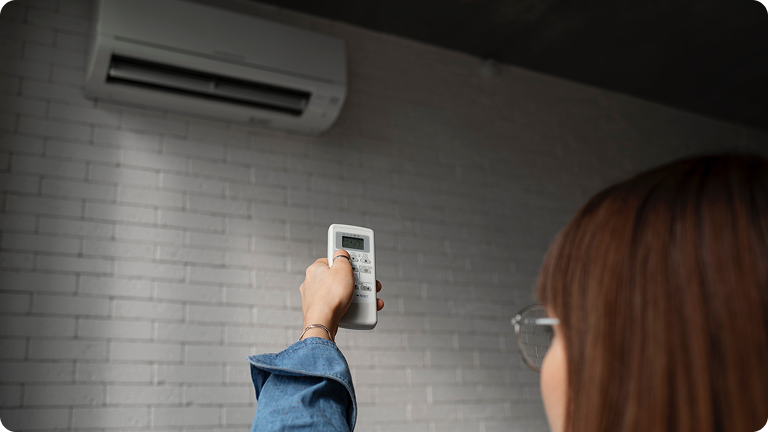

Your Trusted Local AC Experts
When the summer heat hits, you need an air conditioning system you can rely on. At Jim's Air Systems, we specialize in keeping your home cool and comfortable. Whether you need an emergency repair, a seasonal tune-up, or a brand new high-efficiency air conditioner, our family is here to help.
Our Air Conditioning Services include

AC Repair
We service all makes and models, quickly diagnosing and fixing any issue.
AC Installation & Replacement
Get a perfectly sized, high-efficiency system with our owner-led design and installation process.
AC Maintenance
Prevent breakdowns and improve efficiency with our comprehensive AC tune-ups.
Signs You Needs AC Service
.svg)
Ready for a Cooler, More Comfortable Home?
Whether you need an emergency repair or a free estimate on a new, energy-efficient air conditioner, our family is ready to provide honest advice and expert service. Contact us today!