
Is Your HVAC System Failing to Maintain Consistent Comfort?
Are you dealing with uneven temperatures, skyrocketing energy bills, or a unit that simply cannot keep up with the demands of the local climate? When your heating and cooling equipment begins to fail, it directly impacts your daily routine and quality of life in Concord, requiring immediate professional attention to restore order. Contact us today to discuss financing options and schedule your onsite system assessment.
- Swift Installation: Minimize downtime with our streamlined removal and installation process designed to get your system running immediately.
- Enhanced Comfort: Eliminate hot spots and drafts to ensure every room in your home maintains your desired temperature.
- Energy Efficiency: Upgrade to modern, high-SEER equipment that significantly lowers monthly utility usage.
We back every installation with full adherence to local building codes, comprehensive manufacturer warranties, and expert handling of all necessary permits.
What You Can Expect From Professional HVAC Installation
Investing in a new heating and cooling system is about more than just swapping out a metal box. It is a comprehensive service that ensures the long-term viability of your home’s climate control. When you choose a professional installation, you are securing a complete system overhaul designed to meet the specific load requirements of your property.
The scope of work for a standard HVAC installation involves a detailed evaluation of your current infrastructure. This includes assessing the condition of existing ductwork, the integrity of gas and electrical connections, and the insulation levels in your attic or crawlspace. A new unit installed on compromised infrastructure will never achieve its rated efficiency. Therefore, the service includes sealing minor duct leaks, upgrading thermostats to compatible smart systems, and ensuring the refrigerant lines are sized correctly for the new equipment.
Homeowners in Concord receive a system that is calibrated for performance from day one. This includes the outdoor condenser unit, the indoor air handler or furnace, and the connecting plenum. We handle the environmentally safe recovery of old refrigerant and the disposal of the old unit, ensuring no hazardous materials are left on your property. The goal is to provide a turnkey solution where the only requirement from the homeowner is setting the desired temperature.
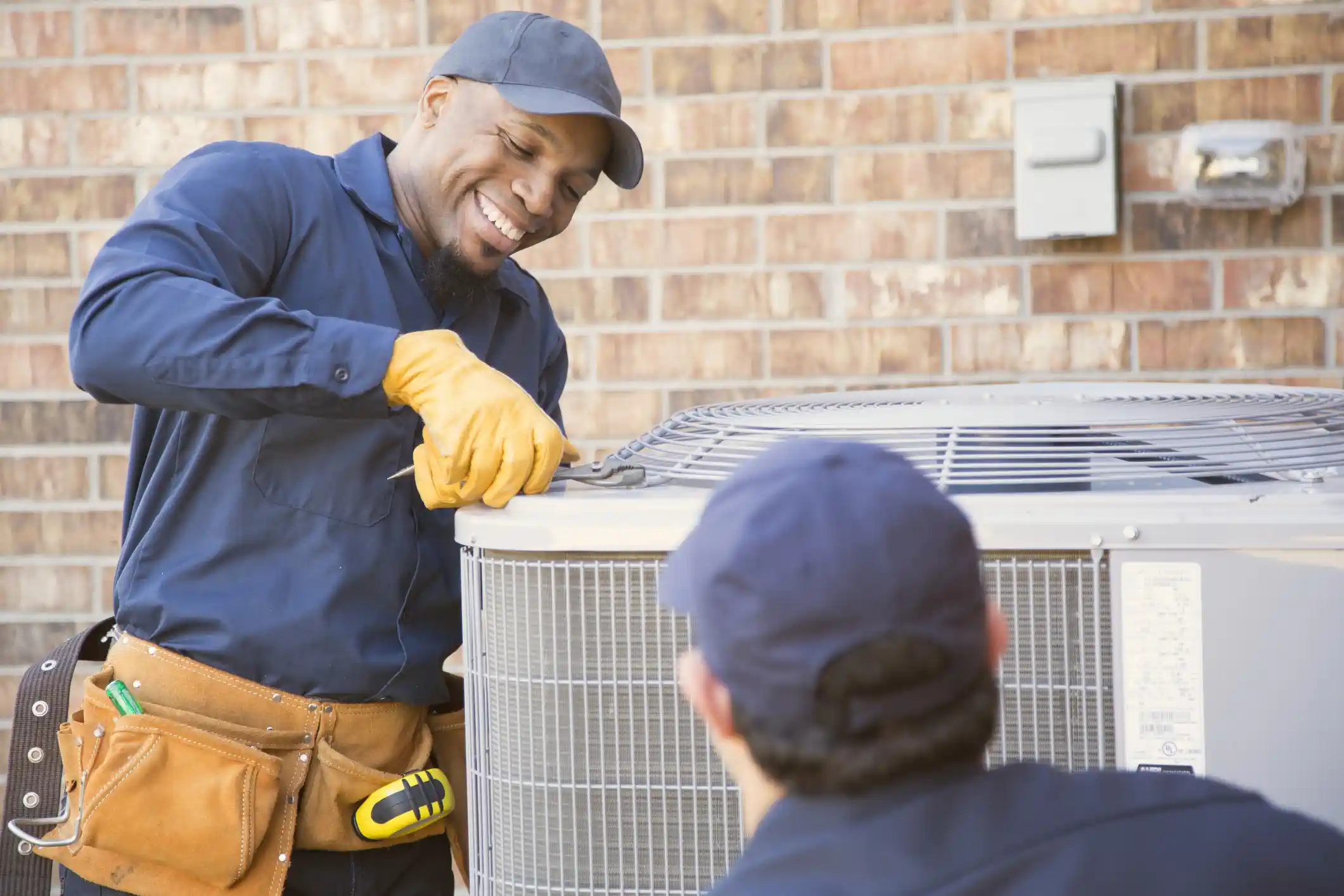
The Installation Process: From Assessment to Airflow
A successful HVAC installation follows a rigid, technical procedure to ensure safety and efficiency. Skipping steps or rushing the process can lead to premature compressor failure or safety hazards like carbon monoxide leaks. Here is how the installation process works.
Site Evaluation and Load Calculation
- The process begins with a Manual J load calculation. This engineering calculation determines the exact heating and cooling capacity required for your specific square footage, window orientation, and insulation values.
- Technicians verify the electrical panel capacity to ensure it can handle the amperage of the new equipment.
- Measurements of the installation site are taken to ensure proper clearance for airflow and service access.
System Removal and Preparation
- Power and gas supplies are shut off and locked out for safety.
- Certified technicians recover existing refrigerant from the old system according to EPA Section 608 regulations.
- The old equipment is disconnected and removed, and the mounting pad is leveled or replaced to prevent vibration.
Equipment Installation
- The indoor evaporator coil and furnace (or air handler) are positioned and sealed to the supply and return plenums.
- The outdoor condenser is set on the pad, and copper refrigerant lines are brazed using nitrogen purging to prevent oxidation inside the pipes.
- Electrical wiring is connected, including the high-voltage power supply and low-voltage control wires for the thermostat.
- A condensate drain line is installed with a safety float switch to prevent water damage in case of clogs.
Commissioning and Testing
- The system is pressure-tested with nitrogen to ensure there are no leaks in the brazed joints.
- A vacuum pump removes moisture and air from the lines before the system is charged with the factory-specified amount of refrigerant.
- Technicians measure static pressure, airflow, and temperature split (the difference between supply and return air) to verify the system is operating within manufacturer specifications.
- Jims Air Systems technicians perform a final safety check on gas connections and exhaust venting.
Deciding Between Replacement and Repair
Determining whether to repair an aging unit or invest in a new installation is a financial and logical decision. While repairs can solve immediate issues, they often act as a temporary bandage on a system that is nearing the end of its lifecycle. Knowing the specific criteria for replacement helps homeowners avoid throwing money at a failing asset.
The 50% Rule
If the cost of the repair approaches or exceeds 50% of the value of a new system, replacement is generally the smarter financial move. Major component failures, such as a blown compressor or a cracked heat exchanger, often fall into this category. The warranty coverage on a new unit typically outweighs the risk of repairing an out-of-warranty system.
Equipment Age and Reliability
The average lifespan of a central air conditioner or furnace is between 10 and 15 years. If your equipment is within this age range and requires frequent repairs, reliability becomes a major concern. As parts wear out, efficiency drops, and the likelihood of a breakdown during a heatwave increases.
Refrigerant Type and Availability
Older systems often utilize R-22 refrigerant, which has been phased out due to environmental regulations. Supplies of R-22 are scarce and extremely expensive. If your older unit leaks refrigerant, repairing it is often cost-prohibitive compared to installing a modern system that uses widely available refrigerants like R-410A or the newer R-454B.
Energy Efficiency Improvements
Modern HVAC technology has advanced significantly in the last decade. A system installed 15 years ago likely has a SEER (Seasonal Energy Efficiency Ratio) rating of 10 or 12. Modern standards and Title 24 requirements in California demand higher efficiency. Upgrading to a 16+ SEER system can result in substantial savings on monthly utility bills, offsetting the cost of installation over time.
Navigating Local Logistics in Concord
Operating in the East Bay requires specific knowledge of regional climate patterns, utility requirements, and building codes. The Mediterranean climate, characterized by warm, dry summers and mild, wet winters, dictates specific HVAC configurations. Unlike areas with high humidity, Concord installations focus heavily on managing dry heat loads and ensuring adequate filtration for dust and seasonal allergens.
Permits and Title 24 Compliance
- Installing a new HVAC system in Concord triggers the need for a building permit. This is not optional; it ensures the installation meets safety standards.
- California’s Title 24 energy standards are among the strictest in the nation. This code often requires duct pressure testing (HERS rating) to verify that the ductwork is not leaking conditioned air into the attic.
- Technicians must verify that the new thermostat is capable of programmable setbacks, another Title 24 requirement aimed at reducing grid load during peak hours.
Utility Rebates and Electrification
- Local utility providers, such as PG&E, frequently offer rebates for high-efficiency heat pumps and air conditioners. These programs often require specific installation documentation and equipment ratings.
- There is a growing trend toward electrification. Homeowners replacing gas furnaces may consider dual-fuel systems or full heat pump conversions. This requires an assessment of the electrical service panel to ensure it can support the increased load.
Seasonality and Scheduling
- The demand for HVAC services in Concord follows a distinct seasonal pattern. November through March sees peak rainfall and heating demand, while summer brings intense heat.
- Planning an installation during the "shoulder seasons" of spring (April-May) or fall (September-October) often results in faster appointment availability. Emergency replacements during July or August can be stressful; proactive replacement prevents being left without cooling during a heat spike.
Why Technical Precision Matters
The most important day in the life of an HVAC system is the day it is installed. Industry studies suggest that a significant percentage of HVAC equipment is incorrectly installed, reducing efficiency by as much as 30%. Improper sizing, poor duct design, and incorrect refrigerant charge are common issues that shorten equipment life.
Choosing a provider that prioritizes technical precision ensures that the manufacturer’s specifications are met exactly. This includes proper airflow balancing, which eliminates noisy operation and ensures that distant rooms receive the same amount of airflow as rooms close to the unit. It involves using the correct gauge of wire and high-quality brazing materials to prevent future failures.
Jims Air Systems focuses on the science of building performance. The goal is to create a sealed, efficient loop where energy is not wasted. This approach protects the manufacturer’s warranty, as most manufacturers will deny claims if the equipment was installed improperly. By adhering to strict installation protocols, homeowners receive a system that performs quietly, reliably, and efficiently for years to come.
Upgrade your home’s comfort and efficiency with a professional installation that stands the test of time.
Why Choose Jims Air Systems
Choosing the right HVAC provider is just as important as selecting the right equipment. Installation quality, technical accuracy, and local experience directly affect system performance, efficiency, and lifespan.
Local Expertise and Code Knowledge
- Concord-specific experience: Familiarity with East Bay climate demands, housing styles, and airflow challenges
- Regulatory compliance: In-depth understanding of local permitting requirements and California Title 24 energy standards
- Utility coordination: Experience navigating inspections, documentation, and rebate qualification requirements
Precision-Driven Installation Standards
- Correct system sizing: Manual J load calculations used on every installation
- Airflow optimization: Duct sealing, balancing, and static pressure verification performed as standard practice
- Manufacturer alignment: Installations completed strictly to factory specifications to protect warranties
Qualified, Certified Technicians
- EPA compliance: Refrigerant handling performed by certified professionals
- Safety-first process: Gas, electrical, and exhaust systems tested before final commissioning
- Ongoing training: Technicians stay current with evolving HVAC technologies and efficiency standards
Transparent Process and Long-Term Value
- Clear scope of work: Homeowners understand exactly what is included before installation begins
- System longevity focus: Emphasis on durability, efficiency, and reduced future repair risk
- Clean job sites: Old equipment removal and responsible disposal included with every project
Call Now
Secure your comfort for the season ahead—schedule your HVAC installation consultation now.

Your Trusted Local AC Experts
When the summer heat hits, you need an air conditioning system you can rely on. At Jim's Air Systems, we specialize in keeping your home cool and comfortable. Whether you need an emergency repair, a seasonal tune-up, or a brand new high-efficiency air conditioner, our family is here to help.
Our Air Conditioning Services include

AC Repair
We service all makes and models, quickly diagnosing and fixing any issue.
AC Installation & Replacement
Get a perfectly sized, high-efficiency system with our owner-led design and installation process.
AC Maintenance
Prevent breakdowns and improve efficiency with our comprehensive AC tune-ups.
Signs You Needs AC Service
.svg)

Frequently Asked Questions

We recommend having your air conditioning system professionally serviced once a year, ideally in the spring, to ensure it's ready for the summer heat.
Yes! Jim’s Air Systems is a family-owned and operated business. We take pride in delivering honest, reliable service and treating our customers like family, with a strong focus on quality workmanship and long-term relationships.
A trained, licensed HVAC professional from Jim’s Air Systems will visit your home for the estimate. Our technician will assess your needs, answer your questions, and provide a clear, upfront estimate with no pressure or hidden fees.
Ready for a Cooler, More Comfortable Home?
Whether you need an emergency repair or a free estimate on a new, energy-efficient air conditioner, our family is ready to provide honest advice and expert service. Contact us today!