
Is Your Current Heating System Leaving You in the Cold?
Battling unpredictable temperatures in Concord, CA, can be challenging, especially when the wet winter season arrives and your equipment fails to keep up. Whether your furnace has stopped working completely or you are looking to upgrade an aging unit before it breaks down, addressing the issue promptly ensures your home remains comfortable and efficient. Contact us today to schedule a consultation or discuss financing options for your new installation.
- Same-day installation available to minimize disruption to your daily life.
- Expert services ensure optimal heating efficiency and lower monthly utility bills.
- Comprehensive warranties and financing options provided for your peace of mind.
All installations are fully compliant with local codes, backed by robust warranties, and supported by flexible financing options to fit your budget.
What You Get With Professional Heating Installation
When you invest in a new heating system, you are purchasing more than just a piece of equipment; you are investing in the long-term comfort and safety of your home. A modern installation involves a comprehensive approach to climate control, ensuring that every component works in harmony to deliver consistent heat.
At Jims Air Systems, we focus on delivering a complete solution rather than a simple swap-out of machinery. The installation process includes a detailed load calculation. This technical assessment determines the exact heating requirements of your specific floor plan. An oversized unit will short-cycle, leading to wear and tear, while an undersized unit will run continuously without ever reaching the desired temperature. Getting this calculation right is the foundation of a successful installation.
- High-Efficiency Equipment Selection: We provide access to furnaces and heat pumps with high AFUE (Annual Fuel Utilization Efficiency) ratings. Modern units convert a higher percentage of fuel into usable heat, which directly translates to lower operational costs compared to units from a decade ago.
- Ductwork Inspection and Modification: Even the best furnace cannot perform well if the air distribution system is compromised. The service includes inspecting existing ductwork for leaks, disconnects, or poor insulation. If necessary, modifications are made to the plenum or transition ducts to ensure proper airflow and static pressure.
- Smart Thermostat Integration: Modern installations often include the setup of smart thermostats. these devices allow for precise control over your indoor environment, enabling you to set schedules that align with your lifestyle and reduce energy waste when the house is empty.
- Safe Removal and Disposal: The service includes the safe disconnection of gas lines and electrical wiring, followed by the removal and environmentally responsible disposal of your old unit. This eliminates the hassle of dealing with heavy, obsolete equipment.
- Post-Installation Support: You receive documentation regarding the warranty registration and maintenance guidelines. This ensures you know exactly how to care for the new system to maximize its lifespan.
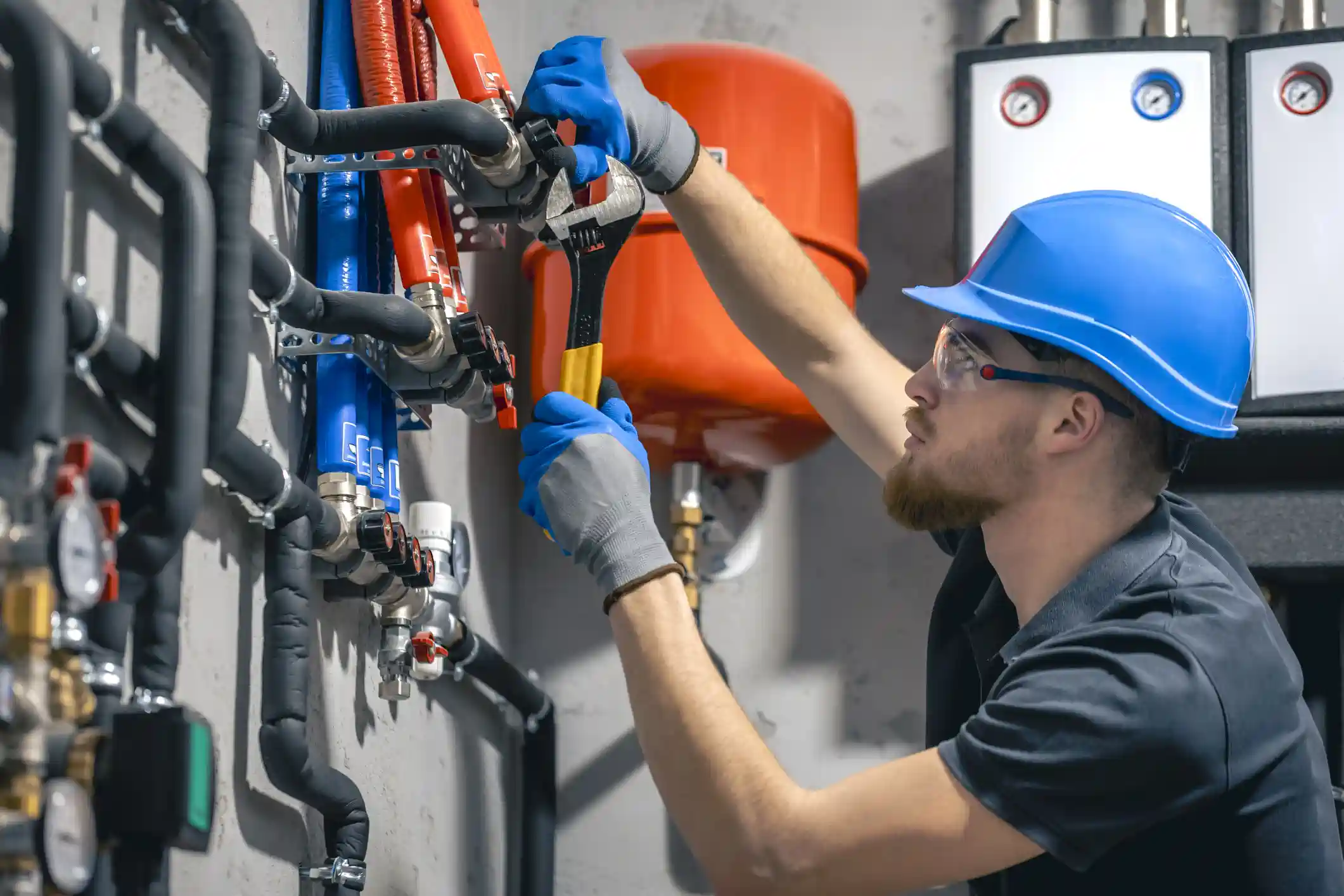
How The Installation Process Works
Understanding the timeline and steps involved in a heating installation helps homeowners prepare for the service. The goal is to make the transition to a new system as seamless as possible, restoring heat to the home quickly and safely.
- Site Evaluation and Sizing: The process begins with a technician visiting the home to assess the current setup. This involves measuring the square footage, checking insulation levels, and evaluating window quality to perform a Manual J load calculation. This data dictates the size and type of heater required.
- Proposal and Selection: Based on the evaluation, you are presented with options that fit the heating needs and budget. This phase involves discussing fuel types—such as natural gas or electric heat pumps—and selecting the specific model that offers the best balance of initial cost and long-term efficiency.
- Preparation and Safety: On the day of installation, technicians prepare the workspace. This includes laying down drop cloths to protect flooring and ensuring the area around the furnace is clear. Safety protocols regarding gas lines and electrical breakers are strictly followed to prevent accidents during the exchange.
- System Installation: The old unit is disconnected and removed. The new furnace or air handler is positioned and leveled. Technicians then connect the gas lines, flue pipes for ventilation, electrical wiring, and the condensate drain. If Jims Air Systems is installing a heat pump, refrigerant lines are also connected and vacuum-tested.
- Testing and Commissioning: Once physically installed, the system is not merely turned on; it is commissioned. This involves checking gas pressure, measuring temperature rise (the difference between air entering and leaving the unit), and verifying that the thermostat controls the unit correctly.
- Final Walkthrough: The lead technician walks you through the operation of the new system. You will learn how to change filters, operate the thermostat, and recognize any alerts. This is the time to ask questions about maintenance schedules and warranty coverage.
When Replacement Beats Repair
Deciding between repairing an existing unit and investing in a new installation is a common dilemma for homeowners. While repairs often seem cheaper upfront, they can be less economical over time, especially with aging equipment. There are specific technical indicators that suggest replacement is the more prudent financial decision.
- Age of the Unit: If the furnace is over 15 years old, it is nearing or has passed its expected service life. Even if it is currently running, the risk of a catastrophic failure—such as a cracked heat exchanger—increases significantly. Replacement prevents emergency outages during the coldest weeks of the year.
- The 50% Rule: Industry experts often recommend replacement if the cost of a repair approaches 50% of the cost of a new system. Spending significant money to patch a dying unit is rarely a good return on investment.
- Rising Energy Bills: As heating systems age, they lose efficiency due to wear on internal components. If you notice a steady increase in heating costs despite normal usage, the unit is likely working harder to produce the same amount of heat. A new, high-efficiency model can reduce these costs immediately.
- Frequent Breakdowns: If you have required multiple service calls in the last two years, the system is becoming unreliable. The cumulative cost of service fees and parts often outweighs the monthly payments on a financed new system.
- Uneven Heating: When a furnace can no longer distribute air effectively, some rooms become stiflingly hot while others remain cold. This often indicates failing blower motors or compromised heat exchangers that are not worth repairing in older models.
- Safety Concerns: Older gas furnaces are susceptible to cracks in the heat exchanger, which can leak carbon monoxide into the home. If a safety inspection reveals this issue, the unit must be replaced immediately, as it poses a severe health risk.
Critical Local Considerations for Concord Homeowners
Operating a heating system in Concord requires specific attention to regional factors. The local climate and regulatory environment influence how systems should be selected and installed.
- Climate-Specific Needs: While summers are hot, the winters in Concord bring distinctive challenges. The region sees the majority of its rainfall between November and March, with January often being the wettest month. This damp cold feels different than dry cold and requires a heating system capable of removing humidity or working effectively alongside the home’s ventilation to prevent condensation issues.
- Permitting and Code Compliance: The City of Concord Building Division requires permits for HVAC installations and replacements. This ensures that the installation meets safety standards, particularly regarding gas line connections and electrical loads. Professional installers handle the permitting process, scheduling the required city inspections to close out the permit properly. Unpermitted work can lead to fines and complications when selling the home.
- PG&E Rebates and Incentives: Pacific Gas and Electric (PG&E) often offers rebates for upgrading to energy-efficient appliances. Installing a high-efficiency furnace or a heat pump can qualify homeowners for financial incentives. Additionally, federal tax credits may apply to units that meet specific SEER2 and HSPF2 ratings.
- Duct Sealing Requirements: California’s Title 24 energy standards are strict. When installing a new central heating unit, leak testing of the ductwork is often mandatory. If leakage exceeds a certain percentage, duct sealing must be performed. This regulation ensures that the energy you pay for isn’t lost in the attic or crawlspace.
- Dual Fuel Considerations: Given the high cost of electricity and gas in the Bay Area, some homeowners opt for dual-fuel systems. These systems utilize an electric heat pump for mild winter days and switch to a gas furnace only when temperatures drop significantly, optimizing fuel costs based on current rates.
Why Professional Installation Matters
Choosing the right partner for your heating installation determines the longevity and performance of the system. A high-quality furnace installed poorly will operate less efficiently than a budget model installed perfectly. Technical precision is non-negotiable in HVAC work.
- Accurate Sizing: Guesswork in sizing leads to short-cycling and humidity problems. Professionals use industry-standard calculations to match the equipment to the home’s thermal envelope.
- Warranty Protection: Manufacturers require proof of professional installation to honor warranties. DIY or handyman installations often void these warranties, leaving the homeowner liable for expensive parts failures.
- Safety Assurance: Handling natural gas, high-voltage electricity, and venting requires specialized training. Certified technicians ensure that there are no gas leaks and that carbon monoxide is safely vented out of the living space.
- Tooling and Diagnostics: Professional installers utilize specialized tools for measuring static pressure, gas flow, and refrigerant levels. These diagnostic tools are essential for tuning the system to the manufacturer's exact specifications.
Ready to Upgrade Your Home’s Heating Comfort?
Proper heating installation is an investment in your home’s infrastructure. It requires a clear understanding of building science, local codes, and mechanical engineering. By securing a professional installation, you ensure reliable warmth through the wettest Concord winters and protect the value of your property.
If you are ready to upgrade your comfort and efficiency, take the next step toward a reliable heating solution.
Get a Quote for Your New Heating System Today
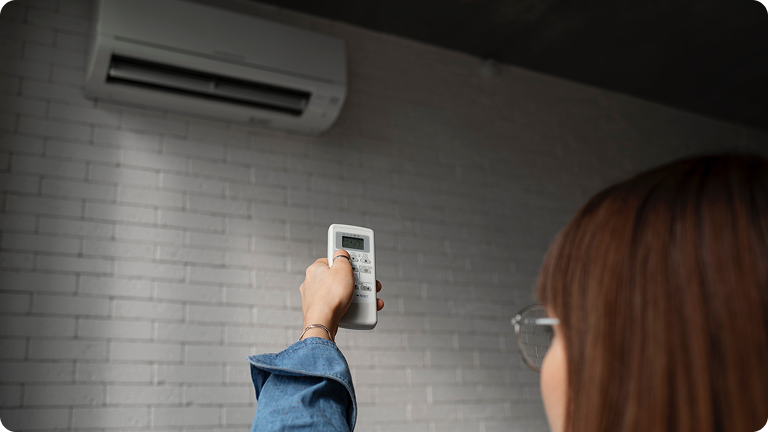

Your Trusted Local AC Experts
When the summer heat hits, you need an air conditioning system you can rely on. At Jim's Air Systems, we specialize in keeping your home cool and comfortable. Whether you need an emergency repair, a seasonal tune-up, or a brand new high-efficiency air conditioner, our family is here to help.
Our Air Conditioning Services include

AC Repair
We service all makes and models, quickly diagnosing and fixing any issue.
AC Installation & Replacement
Get a perfectly sized, high-efficiency system with our owner-led design and installation process.
AC Maintenance
Prevent breakdowns and improve efficiency with our comprehensive AC tune-ups.
Signs You Needs AC Service
.svg)
Ready for a Cooler, More Comfortable Home?
Whether you need an emergency repair or a free estimate on a new, energy-efficient air conditioner, our family is ready to provide honest advice and expert service. Contact us today!