
Unreliable Heating Can Turn Cold Nights into a Crisis
Cold nights in Hayward can be harsh without a reliable heating system, especially when humidity levels rise during the winter months. You need a heating solution that guarantees consistent warmth, lowers energy consumption, and operates safely for years to come. Contact us today to discuss flexible financing options or to schedule your site assessment.
- Experience rapid installation services that restore heat to your home, often available the same day you call.
- Choose from a variety of high-efficiency furnaces engineered to reduce monthly utility bills and enhance indoor comfort.
- Gain peace of mind with comprehensive labor and equipment warranties that protect your investment.
All installations comply with local building codes, including Title 24 requirements, extensive warranty options, and flexible financing.
What You Get With a Professional Furnace Installation
Investing in a new heating unit is about more than just swapping out a metal box. It is a comprehensive service designed to optimize the airflow and thermal dynamics of your entire home. When you authorize a professional installation, you are paying for a complete system overhaul that addresses the specific heating load requirements of your property.
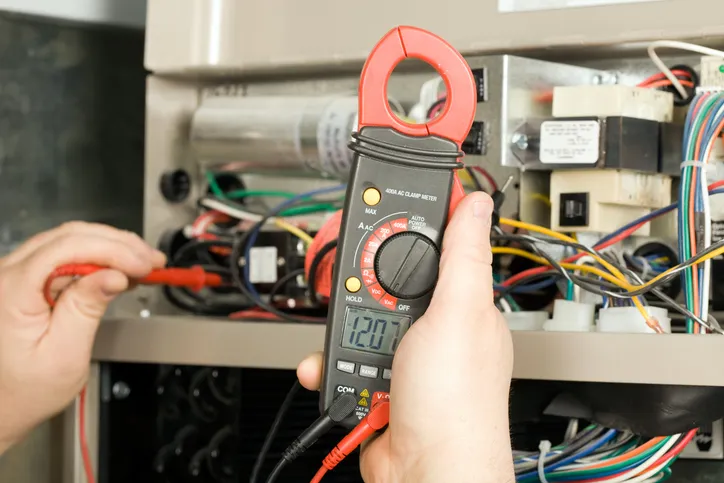
A standard installation includes the safe removal and disposal of your existing unit. This ensures that hazardous materials, such as old refrigerants or compromised heat exchangers, are handled according to environmental regulations. Following removal, the focus shifts to preparing the infrastructure. This involves inspecting the plenum and existing ductwork to ensure they can handle the airflow of modern, high-efficiency equipment. Older ductwork often leaks or is undersized, which can strangle a new furnace and lead to premature failure.
The scope of work also covers the precise calibration of gas lines and electrical connections. Modern furnaces often require different voltage consistency or gas pressure settings than units manufactured 15 or 20 years ago. Technicians update these connections to meet current safety standards. Furthermore, the installation includes the setup of a programmable or smart thermostat if required, ensuring the interface between the homeowner and the machine is seamless. You receive a fully commissioned system, tested for carbon monoxide safety, airflow balance, and ignition sequencing before the technicians leave the premises.
How the Installation Process Works
A structured installation process ensures that nothing is overlooked and that your home remains clean and safe throughout the project. The goal is to minimize disruption while maximizing the performance of the new heating system.
- Site Evaluation and Sizing: Technicians begin by performing a load calculation, often referred to as a Manual J calculation. This determines the exact British Thermal Unit (BTU) output required for your specific square footage, insulation levels, and window orientation. Guessing the size often leads to "short cycling," where a unit turns on and off too frequently, wasting energy.
- Workspace Preparation: Floors and surrounding areas are protected with drop cloths to prevent damage. The gas supply and electrical power to the existing furnace are shut off and locked out for safety.
- Old Equipment Removal: The existing furnace is disconnected from the plenum, flue pipe, gas line, and electrical wiring. It is then carefully maneuvered out of the home to avoid dinging walls or doorframes.
- Infrastructure Adaptation: If the new unit is a high-efficiency condensing furnace (90% AFUE or higher), technicians install new PVC venting and drainage lines, as these units produce condensation that must be drained away. Metal flue liners may be inspected or replaced if the previous venting is incompatible.
- System Positioning and Connection: The new furnace is leveled and sealed to the supply and return air plenums. An airtight seal is critical to prevent air leakage, which can depressurize the mechanical room and draw in dangerous fumes. Gas lines are reconnected with new sediment traps (drip legs) to protect the gas valve.
- Commissioning and Testing: Once physically installed, the system is fired up. Technicians measure the temperature rise—the difference in air temperature between the return and supply—to ensure it matches the manufacturer’s specifications. They also test static pressure and verify that all safety switches are operational.
- Final Walkthrough: The team demonstrates how to change the filter and operate the thermostat. All debris is removed, and the workspace is left cleaner than it was found.
Choosing the Right Technology for Your Home
Selecting the hardware is a critical decision that impacts your comfort and budget for the next two decades. Modern furnaces vary significantly in how they deliver heat. Jims Air Systems helps homeowners navigate these technical options to find the best fit for their specific usage patterns.
Single-Stage Furnaces
These are the traditional entry-level models. They have one setting: "High." When the thermostat calls for heat, the furnace blasts at 100% capacity until the target temperature is reached, then shuts off. While reliable and affordable upfront, they can be louder and less energy-efficient, leading to temperature swings.
Two-Stage Furnaces
These units operate at two distinct capacities: usually around 60% (low) and 100% (high). For mild Hayward winter days, the unit runs quietly on low, maintaining an even temperature without consuming maximum fuel. It only kicks into high gear during extreme cold snaps. This results in longer, gentler heating cycles that filter the air more effectively.
Variable-Speed Modulating Furnaces
These represent the pinnacle of HVAC technology. The blower motor and gas valve can adjust in tiny increments—often as little as 1%—to precisely match the heating demand of the home. If the temperature drops by one degree, the furnace runs at a very low speed to bring it back up without a massive surge of energy. This provides the most consistent comfort, the quietest operation, and the highest energy efficiency ratings (AFUE).
Deciding Between Repair and Replacement
Determining whether to sink more money into an aging system or invest in a new one is a common dilemma. While repairs are sometimes feasible, there is a mathematical tipping point where replacement becomes the smarter financial move.
- The 50% Rule: If the cost of a necessary repair approaches 50% of the value of a new system, replacement is generally recommended. Spending thousands on a compressor or heat exchanger for a 15-year-old unit is rarely a good return on investment.
- Age of the Equipment: The average lifespan of a gas furnace is between 15 and 20 years. If your unit is in this age range, parts are likely becoming obsolete and expensive. Even if it runs, it has likely lost significant efficiency, meaning you are paying more for gas to generate the same amount of heat.
- Rising Energy Bills: A sudden spike in heating costs without a change in usage often indicates internal wear or failure. As components degrade, the system must work harder to satisfy the thermostat. A modern system can cut fuel consumption by up to 30%, essentially paying for itself over time through utility savings.
- Safety Concerns: Visible rust, soot around the registers, or a yellow (instead of blue) pilot flame can indicate incomplete combustion or a cracked heat exchanger. This poses a carbon monoxide risk. In such cases, immediate replacement is a matter of safety, not just comfort.
- Uneven Heating: If some rooms are freezing while others are stifling hot, the old furnace likely lacks the blower power or variable speed capability to distribute air evenly through the ductwork.
Navigating Local Requirements and Climate Factors
Operating in Hayward and the greater Bay Area requires adherence to specific regulations and an understanding of the local microclimate. California has some of the strictest energy codes in the nation, specifically Title 24. These standards dictate not just the efficiency of the unit installed, but also the condition of the ductwork.
When installing a new furnace, local codes often trigger a requirement to test the existing ducts for leakage. If leakage exceeds a certain percentage, duct sealing or replacement becomes mandatory. This ensures that the high-efficiency furnace you just purchased isn't pumping warm air into your attic or crawlspace. Professional installers handle the permitting process, ensuring that the installation passes city inspections and that you have the documentation needed for insurance purposes and future home resale.
From a climate perspective, the region experiences wet winters. This humidity can make 50-degree weather feel significantly colder, colloquially known as "bone-chilling." A properly sized furnace helps control indoor humidity levels. Unlike dry desert heat, the heating system here needs to cycle enough to move air and prevent moisture buildup, which can lead to mold growth in stagnant corners of the home. This makes the correct sizing of the system—balancing BTU output with airflow—vital for protecting the structural integrity of the home as well as the comfort of its occupants.
Why Professional Sizing and Calibration Matters
The most expensive equipment will underperform if it is not installed correctly. One of the most common issues in the industry is oversized equipment. An oversized furnace will heat the house too quickly, satisfying the thermostat before the heat has reached the furthest rooms. It then shuts off, only to turn back on minutes later. This constant on-off cycling wears out components faster and creates hot and cold spots.
Professional installation involves balancing the static pressure of the system. Think of static pressure like blood pressure for your HVAC system; if it is too high, the blower motor will burn out prematurely. Technicians use manometers to measure this pressure and adjust the fan speed or modify the duct transitions to ensure the system "breathes" easily. This technical calibration is what separates a long-lasting installation from one that requires constant repairs.
Ensuring Long-Term Performance
Once the new furnace is in place, protecting that investment is the final step. A new installation generally comes with a manufacturer’s warranty on parts—often 10 years—and a warranty on the heat exchanger, which can be 20 years or lifetime. However, these warranties almost always require proof of regular maintenance to remain valid.
Neglecting the system can void these protections. Homeowners should establish a routine of changing air filters every 1-3 months, depending on pet ownership and allergies. Beyond filters, professional annual maintenance is crucial. This involves cleaning the flame sensor, checking the igniter, inspecting the flue for blockages, and tightening electrical connections. Jims Air Systems emphasizes that a well-maintained furnace operates at peak efficiency, keeping utility bills low and extending the life of the equipment.
Don’t Let Falling Temperatures Catch You Off Guard: Upgrade Now
Secure your home’s comfort and efficiency before the temperature drops further. Call us now to schedule your furnace installation estimate and ensure your family stays warm this winter.
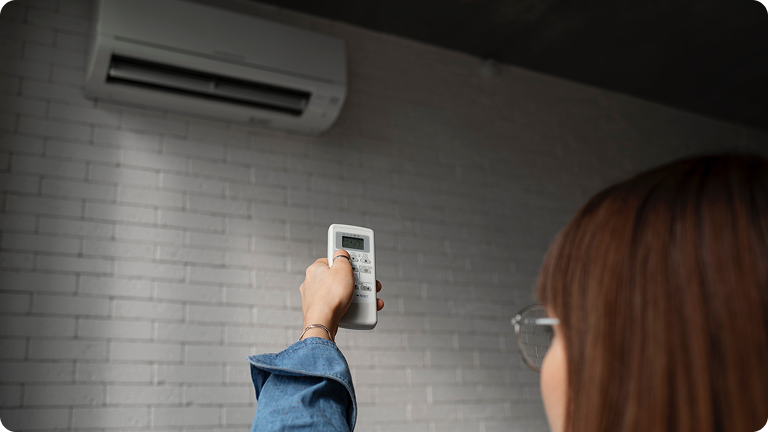

Your Trusted Local AC Experts
When the summer heat hits, you need an air conditioning system you can rely on. At Jim's Air Systems, we specialize in keeping your home cool and comfortable. Whether you need an emergency repair, a seasonal tune-up, or a brand new high-efficiency air conditioner, our family is here to help.
Our Air Conditioning Services include

AC Repair
We service all makes and models, quickly diagnosing and fixing any issue.
AC Installation & Replacement
Get a perfectly sized, high-efficiency system with our owner-led design and installation process.
AC Maintenance
Prevent breakdowns and improve efficiency with our comprehensive AC tune-ups.
Signs You Needs AC Service
.svg)
Ready for a Cooler, More Comfortable Home?
Whether you need an emergency repair or a free estimate on a new, energy-efficient air conditioner, our family is ready to provide honest advice and expert service. Contact us today!