
Inconsistent Heating Performance Leaving Your Home Uncomfortable?
Is your heater failing to warm up your home during the damp, chilly winter nights common in the East Bay? When your heating system falters, you need a responsive team to restore safety and warmth immediately; contact us today for urgent service or to discuss financing options. A malfunctioning furnace or heat pump is not just an inconvenience; it can lead to higher energy bills and potential safety hazards for your household.
Reliable heating service addresses the root cause of temperature fluctuations and mechanical failures.
- Same-day heating service ensures you and your family remain comfortable.
- Certified technicians provide accurate diagnostics and peace of mind with every repair.
- Affordable solutions are available, with financing options tailored for all budget types.
Fully licensed and insured — all services are guaranteed with substantial warranty protection. Jims Air Systems brings professional expertise to every service call in Hayward, ensuring your system operates at peak efficiency.
What to Expect From Professional Heating Service
When you request heating service, the objective is to minimize downtime and maximize system efficiency. You are not just paying for a repair; you are investing in a comprehensive assessment of your home’s thermal regulation. The process begins with a thorough evaluation of the existing equipment. Whether you have a gas furnace, an electric heat pump, or a ductless mini-split system, the goal is to identify why the unit is struggling to meet the thermostat’s demands.
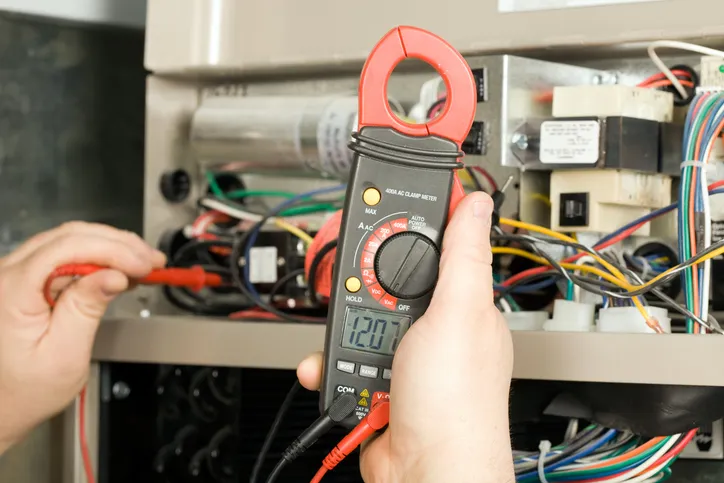
Modern heating systems are complex networks of electrical sensors, fuel lines, and air handling components. A technician arrives equipped to handle specific failures common to the region. This includes issues ranging from ignition failure in older furnaces to refrigerant leaks in heat pumps. You receive a transparent explanation of the issue, a breakdown of necessary parts, and a clear timeline for restoration. Most standard repairs are completed in a single visit, provided the necessary components are on hand.
Scope of service typically includes:
- Safety Inspection: Verification of carbon monoxide levels and gas line integrity.
- Electrical Testing: Assessment of capacitors, relays, and thermostat wiring.
- Airflow Analysis: Checking for blockages in filters or ductwork that restrict heat distribution.
- Component Integrity: Inspecting heat exchangers for cracks and blower motors for wear.
Comprehensive Diagnostics and Repair Workflow
The difference between a quick fix and a lasting solution lies in the diagnostic workflow. Professional service providers utilize a systematic approach to isolate the malfunction. This prevents the "parts-changing" method where components are swapped blindly until the unit works. Instead, the focus is on data-driven repair.
The workflow generally follows a specific sequence to ensure no component is overlooked.
- First, the technician conducts a static test of the system. This involves turning the thermostat to call for heat and observing the startup sequence. This step reveals immediate failures, such as a pilot light that won't stay lit or a blower that fails to engage.
- Next, safety controls are tested. Limit switches, flame rollout switches, and pressure switches are critical safety mechanisms. If these are tripping, it indicates a dangerous condition, such as overheating or back-drafting, rather than a simple mechanical failure.
- Following the safety check, the electrical consumption of motors and compressors is measured. Amperage draws are compared against the manufacturer's rated specifications. If a motor is overworking, it is often a precursor to complete failure.
- Finally, the combustion process is analyzed for gas furnaces. The fuel-to-air ratio must be precise to ensure efficient burning and to prevent the buildup of soot or carbon monoxide.
This rigorous process ensures that when the heat comes back on, it stays on. It also helps in identifying potential future issues, allowing homeowners in Hayward to make informed decisions about preventative maintenance.
Deciding Between Heating Repair and System Replacement
One of the most critical decisions a homeowner faces is whether to invest in repairs or opt for a full system replacement. This decision should be based on data, age, and cost-efficiency, not just immediate urgency. While repair is often the most cost-effective short-term solution, there is a tipping point where maintaining an obsolete unit becomes a financial drain.
Assessing the Viability of Repair
Repair is typically the recommended path if the system still has a significant projected lifespan. If the unit is under ten years old and the cost of the repair is less than 50% of the cost of a new unit, fixing the existing equipment is usually logical.
- Warranty Coverage: If the unit is still under a manufacturer’s warranty, the cost of parts may be covered, leaving only labor costs.
- Minor Component Failure: Issues like a failed capacitor, a worn fan belt, or a dirty flame sensor are routine maintenance items that do not indicate the end of the system's life.
- Performance History: If the system has been reliable and this is the first major breakdown, repair is likely the best course of action.
When Replacement Is the Smarter Investment
There are specific indicators that suggest a heating system has reached the end of its serviceability. Continuing to patch a failing system can be more expensive in the long run due to cumulative repair costs and inefficient energy usage.
- Age of the Unit: Furnaces and heat pumps typically last between 15 and 20 years. If your unit is approaching or has surpassed this age, major components like the heat exchanger or compressor are at high risk of failure.
- Rising Energy Bills: As systems age, they lose efficiency. If your heating costs have spiked despite normal usage, the unit is working harder to produce the same amount of heat. Jims Air Systems can calculate the potential savings of a high-efficiency replacement.
- Safety Concerns: A cracked heat exchanger in a gas furnace is a non-negotiable red flag. This poses a carbon monoxide risk, and replacement is the only safe option.
- Comfort Issues: If certain rooms remain cold while others are hot, or if the unit runs constantly without reaching the set temperature, the system may be undersized or nearing total failure.
Navigating Local Heating Standards and Climate Factors
Operating a heating system in the East Bay requires an understanding of the specific local climate and regulatory environment. While the winters are not freezing compared to other parts of the country, the region experiences a damp cold that penetrates homes. This moisture content in the air can affect how heating systems perform and age.
Managing Moisture and Corrosion
The specific microclimates in Hayward, from the hills to the shoreline, introduce salt air and humidity.
- Rust and Corrosion: High humidity levels can accelerate rust on metal components, particularly on the burners and heat exchanger. Regular service checks include inspecting for corrosion that could lead to gas leaks or airflow obstructions.
- Mold Growth: Ductwork in damp environments is susceptible to mold growth if not properly sealed and insulated. Professional service often includes inspecting the plenum and ducts to ensure the air quality remains healthy.
Permitting and Title 24 Compliance
When significant repairs or replacements are required, local building codes come into play. California’s Title 24 energy standards are among the strictest in the nation.
- Duct Testing: In many cases, if a furnace is replaced or significantly altered, the ductwork must be pressure-tested to ensure leakage is below a certain percentage.
- Thermostat Upgrades: Regulations may require the installation of programmable or smart thermostats to improve overall energy efficiency.
- Permit Acquisition: Professional service providers handle the acquisition of necessary city permits. This ensures that all work is code-compliant and validates the homeowner’s insurance coverage in the event of an incident.
Expert Installation Protocols for Long-Term Efficiency
If a new system is required, the installation process is the single most important factor in determining the unit's longevity and efficiency. A top-tier unit installed poorly will perform worse than a mid-tier unit installed correctly.
The installation workflow adheres to strict industry standards:
- Load Calculation: Technicians perform a Manual J load calculation. This determines the exact heating requirements of the home based on square footage, insulation levels, window types, and orientation. This prevents the installation of oversized units, which cycle on and off too frequently (short-cycling), or undersized units that run continuously.
- Ductwork Modification: The existing ductwork is evaluated to ensure it can handle the airflow of the new system. Adjustments may be made to the return air drop or supply plenums to reduce static pressure.
- Venting and Exhaust: For gas furnaces, proper venting is critical to safely expel combustion gases. High-efficiency condensing furnaces require specialized PVC venting to handle acidic condensate.
- System Testing: Once installed, the system is not just turned on; it is commissioned. This involves measuring static pressure, temperature rise, and gas pressure to ensure the unit is operating within the manufacturer’s design parameters.
Why Professional Heating Service Matters
Attempting DIY repairs on heating systems is rarely advisable due to the high voltage and combustible fuels involved. Professional service offers more than just a functioning heater; it provides safety and efficiency assurance.
Licensed technicians understand the nuances of modern HVAC technology.
- Safety Assurance: Handling natural gas and high-voltage electricity requires specific training. Professionals ensure that all connections are tight and that there are no leaks.
- Efficiency Optimization: A tuned system uses less energy. By cleaning blower wheels, calibrating gas valves, and optimizing airflow, technicians lower your monthly utility expenses.
- Warranty Preservation: Most manufacturer warranties require proof of professional maintenance. DIY repairs can void these warranties, leaving the homeowner liable for future component failures.
Don’t Wait for a Breakdown: Address Heating Issues Before They Escalate
Securing your home’s comfort is a priority that requires professional attention. From urgent repairs on the coldest nights to strategic replacements that lower energy bills, expert service ensures your environment remains stable and safe. Do not wait for a complete system failure to address heating inconsistencies.
If you are experiencing heating issues or want to ensure your system is ready for the season, secure a professional assessment today; contact us today.
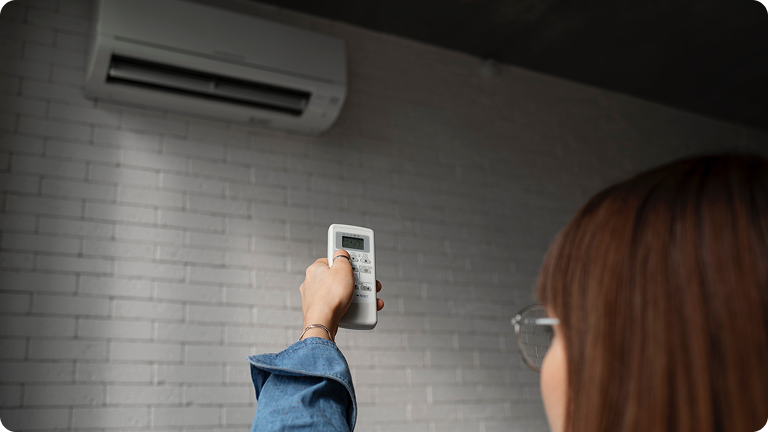

Your Trusted Local AC Experts
When the summer heat hits, you need an air conditioning system you can rely on. At Jim's Air Systems, we specialize in keeping your home cool and comfortable. Whether you need an emergency repair, a seasonal tune-up, or a brand new high-efficiency air conditioner, our family is here to help.
Our Air Conditioning Services include

AC Repair
We service all makes and models, quickly diagnosing and fixing any issue.
AC Installation & Replacement
Get a perfectly sized, high-efficiency system with our owner-led design and installation process.
AC Maintenance
Prevent breakdowns and improve efficiency with our comprehensive AC tune-ups.
Signs You Needs AC Service
.svg)
Ready for a Cooler, More Comfortable Home?
Whether you need an emergency repair or a free estimate on a new, energy-efficient air conditioner, our family is ready to provide honest advice and expert service. Contact us today!