
Is Your Heating and Cooling System Failing to Keep Up?
Is your HVAC system cycling on and off unpredictably just when you need consistent temperatures the most? You are not alone—many residents in the Hayward area face this frustration, especially when the coastal fog rolls in or the summer sun breaks through the clouds. A system that struggles to maintain a set temperature often points to underlying mechanical issues that require immediate professional attention to prevent a total breakdown.
If you suspect your system is compromised, contact us immediately to schedule a comprehensive inspection.
- Same-day HVAC maintenance service to restore your comfort promptly and prevent expensive emergency repairs.
- Expert technicians with years of local experience diagnosing specific regional climate wear-and-tear.
- Transparent pricing structures with no hidden costs or surprise fees upon completion.
All services are fully licensed and come with a satisfaction guarantee to ensure your peace of mind regarding safety and compliance.
Comprehensive System Audits and Maintenance Scope
When you book a professional maintenance visit, the objective is to return the unit to factory specifications. This is not a cursory glance at the unit; it is a deep mechanical audit designed to identify inefficiencies before they become failures. A typical maintenance appointment focuses on the critical components that drive the heating and cooling cycle, ensuring that energy consumption is minimized while output is maximized.
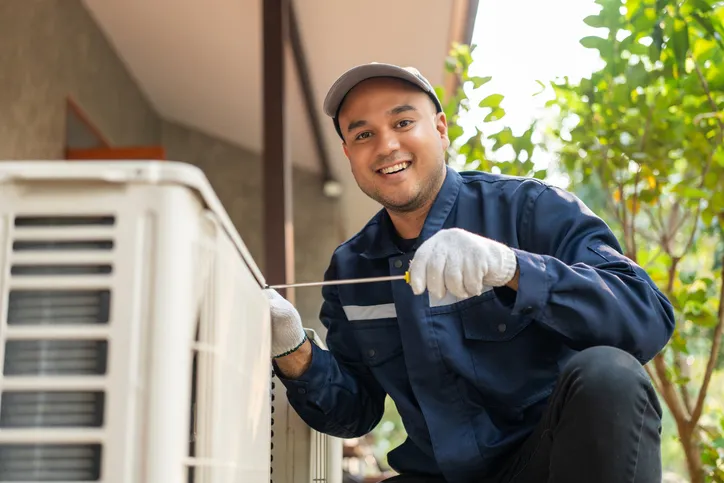
One of the primary focal points during a service call is the heat transfer capability of the system. Over time, the evaporator and condenser coils accumulate dust, pollen, and debris. This buildup acts as an insulator, preventing the refrigerant from effectively absorbing or releasing heat. In Hayward, where humidity levels can fluctuate due to bay proximity, dirty coils can also lead to ice formation on the evaporator, freezing the system entirely. Technicians chemically clean these coils to restore proper heat exchange.
Electrical components are another major inspection point. Vibrations from normal operation can cause wires to loosen, leading to arcing, overheating, and potential fire hazards. The maintenance scope includes tightening all electrical connections, measuring voltage and amperage on motors, and inspecting the contactor for pitting or burning. Capacitors, which provide the torque necessary to start the compressor and fan motors, are tested to ensure they are within the manufacturer's microfarad rating. A weak capacitor is a leading cause of compressor failure, which is often the most expensive repair a homeowner can face.
The condensate drain system is also thoroughly flushed. During the cooling process, your system removes moisture from the air. If the drain line becomes clogged with algae or sediment, water can back up, triggering safety float switches that shut down the unit or, worse, causing water damage to the surrounding structure. Clearing this line ensures proper humidity control and drainage.
Finally, the blower assembly requires attention. The blower motor drives air through the ductwork. If the wheel is dirty, it adds load to the motor, reducing airflow and increasing electricity usage. Technicians inspect the belt tension (if applicable), lubricate bearings, and clean the blower wheel to ensure optimal static pressure and airflow throughout the home.
The Maintenance Execution Process
Understanding the workflow of a maintenance visit helps homeowners prepare for the appointment. The process is systematic, ensuring no component is overlooked.
Arrival and Site Assessment
The technician arrives and begins by assessing the general environment of the equipment. This includes checking the thermostat placement and settings to ensure it is reading the indoor temperature accurately. They will also inspect the area surrounding the outdoor unit to ensure there is adequate clearance for airflow, free from overgrown vegetation or debris that is common in local yards.
System Operation Test
Before opening the unit, the system is run in both heating and cooling modes (if weather permits) to establish a baseline of performance. The technician listens for irregular noises such as grinding, rattling, or squealing, which indicate mechanical wear. They also check the temperature differential (Delta T) between the supply and return air to gauge the system’s current cooling or heating capacity.
Safety and component Inspection
Power is disconnected for safety. The technician removes service panels to access internal components. For gas furnaces, this involves checking the heat exchanger for cracks, which is a critical safety step to prevent carbon monoxide leaks. Burners are inspected for proper ignition and flame color. For air conditioners and heat pumps, the focus shifts to the refrigerant charge, checking for leaks and verifying pressures.
Cleaning and Adjustment
This is the hands-on restoration phase. Filters are replaced or cleaned. Coils are washed, and drains are cleared. Moving parts like fan motors and bearings are lubricated to reduce friction. If refrigerant levels are slightly low, the charge may be adjusted to meet sub-cooling or super-heat requirements specific to the unit.
Final Testing and Reporting
Once the physical work is done, the system is powered back on and tested again to verify improvements in performance. The technician then generates a detailed report outlining the work performed, the current status of the equipment, and any recommendations for future repairs or proactive part replacements.
Deciding Between Repair and Replacement
A common dilemma during maintenance visits is determining whether to continue investing in an aging system or to opt for a replacement. While maintenance extends the life of a unit, there is a point of diminishing returns where replacement becomes the more financially sound decision.
The Age Factor
Most HVAC systems have a lifespan of 10 to 15 years. If your unit is approaching or has surpassed this age range, major components like the compressor or heat exchanger are at higher risk of failure. Even with excellent maintenance, metal fatigue and mechanical wear are inevitable. If your system is over 12 years old and requires a significant repair, replacement is often the recommended path to avoid throwing money at a dying asset.
The Frequency of Breakdowns
If you find yourself calling for service multiple times a year, the system has likely become unreliable. Maintenance is designed to prevent breakdowns, but if a unit requires frequent "band-aid" fixes—such as topping off refrigerant or replacing contactors repeatedly—it signals that the core integrity of the system is compromised.
The 50% Rule
A standard industry benchmark for decision-making is the 50% rule. If the cost of a necessary repair approaches 50% of the cost of a new system, replacement is the better investment. A new system comes with a fresh warranty, whereas a repair typically only warranties the specific part replaced, leaving you vulnerable to other component failures shortly after.
Energy Efficiency Considerations
Older systems often operate with SEER (Seasonal Energy Efficiency Ratio) ratings of 10 or 12. Modern standards require higher efficiency, often SEER 14, 16, or higher. If your energy bills have been steadily climbing despite regular maintenance, your system may have lost its efficiency. Upgrading to a modern system can significantly reduce monthly utility costs, helping to offset the initial installation price over time.
Local Climate and Regulatory Considerations
Operating an HVAC system in Hayward requires specific attention to local environmental factors and regulations. The region’s unique microclimate and building standards influence how maintenance should be approached.
Coastal Influence and Humidity
While the local climate is generally mild, the coastal fog and marine layer bring humidity that can impact HVAC performance. High humidity levels can accelerate corrosion on outdoor units and lead to mold growth within the ductwork if the system is not dehumidifying properly. Maintenance in this area places a heavy emphasis on checking the evaporator coil and drain pan to ensure moisture is being effectively removed from the home, preventing "dirty sock syndrome" and other air quality issues.
PG&E Utility Requirements
Pacific Gas and Electric (PG&E) services the area, and energy rates can be high. This makes efficiency a top priority for local homeowners. A system that is undercharged by just 10% can increase operating costs by 20%. Regular maintenance ensures that the unit is consuming electricity in line with PG&E’s efficiency standards. Furthermore, keeping a record of professional maintenance can be useful if you plan to apply for any energy-efficient upgrade rebates in the future, as proof of system condition is often required.
City Building Codes and Compliance
The City of Hayward Residential Building Codes dictate specific requirements for HVAC safety and installation. When maintenance involves significant repairs or component replacements, adherence to these codes is mandatory. This includes proper venting for gas furnaces to prevent exhaust back-drafting and ensuring that electrical disconnects are accessible and up to code. Professional technicians are familiar with these local ordinances and ensure that your system remains compliant, which is vital for insurance purposes and future home sales.
Seasonal Transitions
The transition from the wet winter months to the dry summer season is the critical window for maintenance. November to March sees the bulk of rainfall, meaning outdoor units must be checked for debris or mud accumulation that could block airflow. Conversely, the dry summers require the AC to handle heat loads without the benefit of rain to naturally clean the coils. Scheduling maintenance during the shoulder seasons ensures the system is prepared for these specific shifts.
Why Professional Execution is Critical
Attempting to service modern HVAC equipment without professional training carries significant risks. Jims Air Systems provides the technical expertise required to handle high-voltage electricity, combustible gases, and high-pressure refrigerants safely.
Manufacturers of HVAC equipment, including major brands like Carrier, Trane, and Lennox, often require proof of professional maintenance to keep their warranties valid. If a compressor fails under warranty but the homeowner cannot prove that the coils were cleaned and the filters changed by a licensed professional, the manufacturer may deny the claim. This makes professional service not just a matter of performance, but of financial protection.
Furthermore, professional technicians utilize diagnostic tools that are not available to the average homeowner. From combustion analyzers that detect invisible cracks in heat exchangers to digital manifolds that measure refrigerant pressures down to the decimal, these tools provide a level of accuracy that ensures the system is running exactly as designed.
Safety is the ultimate priority. A gas furnace with a compromised flue pipe or a cracked heat exchanger can leak carbon monoxide, a colorless and odorless gas, into the living space. Regular professional maintenance includes rigorous safety checks to identify these hazards before they endanger the occupants. Electrical connections are also torqued to prevent resistive heating, which is a common cause of residential electrical fires.
By entrusting your system to a dedicated service provider, you ensure that your home remains comfortable, efficient, and safe regardless of the weather conditions outside. The investment in regular maintenance pays dividends through extended equipment life, lower energy bills, and the assurance that your heating and cooling system will perform when you need it most.
Protect Your Comfort with Proactive HVAC Care
An HVAC system that can’t keep up puts your comfort, efficiency, and safety at risk—especially in Hayward’s unique coastal climate. Regular professional maintenance helps prevent sudden failures, reduces energy waste, and extends the life of your equipment before small issues turn into major repairs. Jims Air Systems provides detail-driven HVAC service designed to keep your system operating at peak performance year-round.
Secure your home comfort and efficiency today. Schedule your professional HVAC maintenance service now.

Your Trusted Local AC Experts
When the summer heat hits, you need an air conditioning system you can rely on. At Jim's Air Systems, we specialize in keeping your home cool and comfortable. Whether you need an emergency repair, a seasonal tune-up, or a brand new high-efficiency air conditioner, our family is here to help.
Our Air Conditioning Services include

AC Repair
We service all makes and models, quickly diagnosing and fixing any issue.
AC Installation & Replacement
Get a perfectly sized, high-efficiency system with our owner-led design and installation process.
AC Maintenance
Prevent breakdowns and improve efficiency with our comprehensive AC tune-ups.
Signs You Needs AC Service
.svg)

Frequently Asked Questions

We recommend having your air conditioning system professionally serviced once a year, ideally in the spring, to ensure it's ready for the summer heat.
Yes! Jim’s Air Systems is a family-owned and operated business. We take pride in delivering honest, reliable service and treating our customers like family, with a strong focus on quality workmanship and long-term relationships.
A trained, licensed HVAC professional from Jim’s Air Systems will visit your home for the estimate. Our technician will assess your needs, answer your questions, and provide a clear, upfront estimate with no pressure or hidden fees.
Ready for a Cooler, More Comfortable Home?
Whether you need an emergency repair or a free estimate on a new, energy-efficient air conditioner, our family is ready to provide honest advice and expert service. Contact us today!