
Stay Warm This Winter Without the Wait
Is your heater struggling to keep up with the cold Hayward nights, leaving you worried about a complete breakdown during the wettest part of the year? Ensure your comfort and safety with our rapid, reliable heating maintenance services designed to identify issues before they become expensive repairs. Contact us today to schedule your comprehensive tune-up or ask about our flexible financing options.
- Same-day service available to restore your heat quickly.
- Transparent pricing with no hidden fees.
- Experienced technicians equipped to handle all heater models.
Licensed and insured professionals with easy financing options.
The winter months in the East Bay bring a specific set of challenges for residential heating systems. While temperatures generally remain mild, the combination of consistent moisture and nightly lows in the 50s creates a heavy workload for furnaces and heat pumps. When a system fails to kick on or begins making unusual noises, it is often a sign of neglected maintenance catching up with the equipment. Jims Air Systems provides thorough inspections and tune-ups that address the root causes of inefficiency and failure, ensuring your home remains warm regardless of the weather outside.
What Is Included in a Professional Heater Tune-Up
A proper heating tune-up goes far beyond simply changing a filter. It involves a rigorous inspection of the system’s mechanical, electrical, and safety components. The goal is to return the unit to factory specifications, ensuring it operates as safely and efficiently as the day it was installed. Homeowners in Hayward often notice an immediate improvement in airflow and a reduction in short-cycling behaviors following a professional service visit.
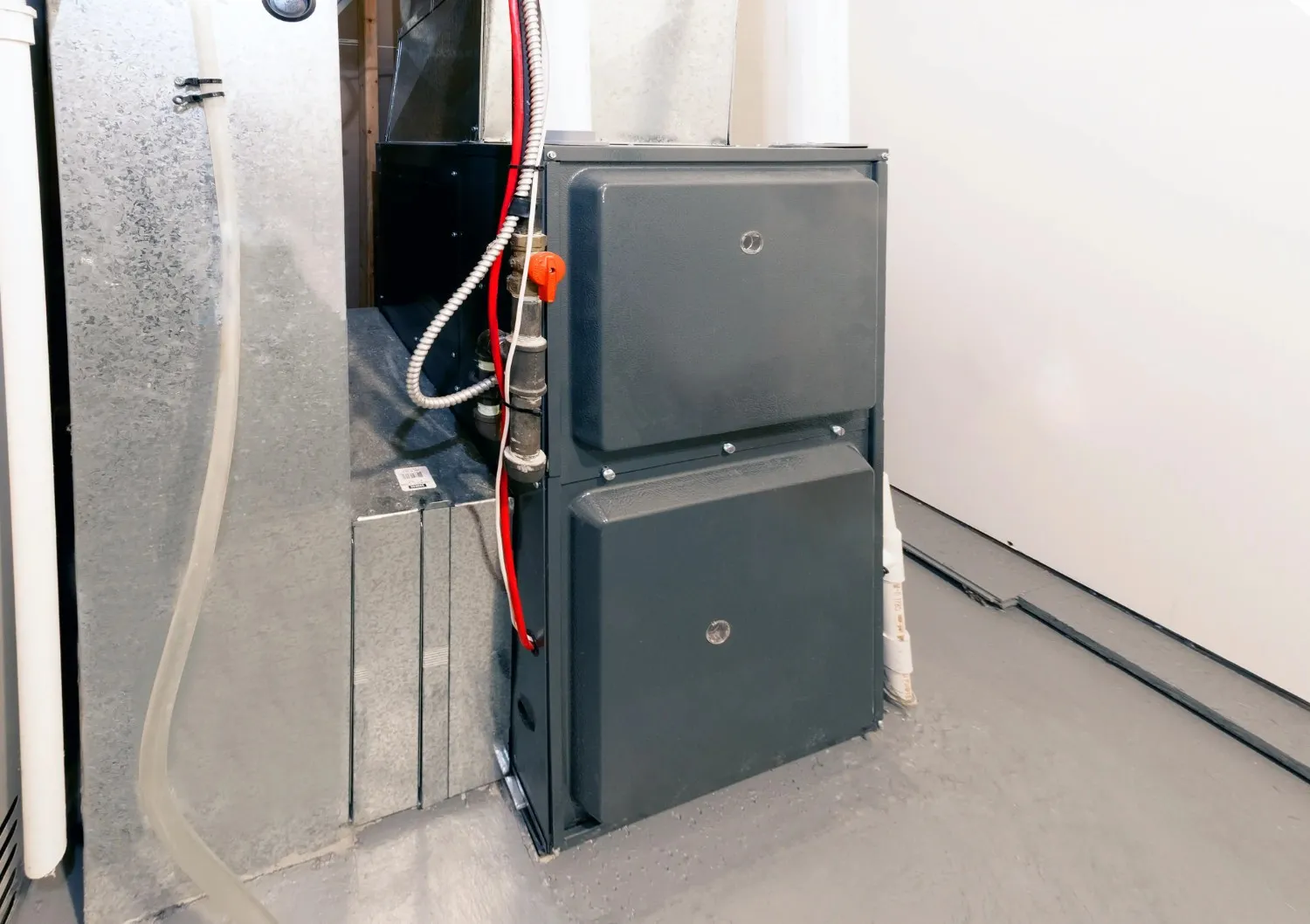
Safety Inspection and Carbon Monoxide Testing
The most critical aspect of any heating maintenance visit is safety. Gas furnaces involve combustion, which produces carbon monoxide (CO) as a byproduct. If the system is compromised, this odorless gas can leak into the living space.
- Technicians inspect the heat exchanger for cracks, rust, or corrosion that could allow gas to escape.
- The venting system is checked for blockages, leaks, or improper drafting that could force exhaust back into the home.
- Safety switches, such as the limit switch and rollout switch, are tested to ensure they automatically shut the unit down if dangerous conditions are detected.
- Burner flames are analyzed for proper color and stability; a yellow or flickering flame often indicates incomplete combustion and a safety hazard.
Airflow and Filtration Assessment
Restricted airflow is the leading cause of premature component failure. When air cannot move freely through the system, the blower motor works harder, and the heat exchanger can overheat.
- The blower assembly is removed and cleaned to remove dust buildup that weighs down the fan blades.
- The evaporator coil (in hybrid systems) and secondary heat exchangers are inspected for debris accumulation.
- Technicians check the static pressure within the ductwork to identify leaks or crushed ducts that are wasting energy.
- Existing air filters are evaluated, and recommendations are provided for the correct MERV rating to balance filtration with airflow requirements.
Electrical Connections and Component Testing
Modern heating systems rely heavily on electronic controls. Loose connections or failing capacitors can cause the system to stop working suddenly, usually on the coldest night of the year.
- All electrical connections are tightened to prevent voltage drops and wire overheating.
- Capacitors are tested to ensure they are holding the correct charge required to start the blower and inducer motors.
- The thermostat is calibrated to ensure it is reading the indoor temperature accurately.
- The flame sensor is cleaned to prevent the system from shutting off prematurely due to a false "no flame" reading.
The Professional Maintenance Process: From Arrival to Completion
Understanding exactly what happens during a service appointment helps homeowners plan their day and know what to expect. Professional maintenance is a structured process designed to be non-intrusive while providing a deep clean and assessment of the heating unit.
- First, the technician arrives within the scheduled window, equipped with the necessary diagnostic tools and common replacement parts. The workspace around the furnace is prepped to ensure the home remains clean throughout the process.
- Next, the system is run through a full heating cycle. This allows the technician to listen for abnormal sounds, such as banging, rattling, or squealing, which indicate mechanical wear.
- Then, power and gas are shut off to the unit to allow for a safe internal inspection. The cabinet is opened, and all internal components are vacuumed and wiped down. This includes cleaning the burners, pilot assembly, and blower compartment.
- Following the cleaning, the technician performs distinct electrical measurements using a multimeter. Amp draws on motors are recorded to compare against manufacturer specifications. If a motor is drawing too much power, it is flagged as a potential future failure.
- Finally, the system is restarted, and the temperature rise (the difference between the air temperature entering the return and leaving the supply) is measured. The technician provides a detailed report of the findings, including any recommended repairs or adjustments needed to prevent future breakdowns.
Determining If Maintenance Is Enough or If It Is Time to Upgrade
While routine maintenance extends the life of a heating system, there comes a point where repair costs outweigh the benefits of keeping an old unit running. Making the decision to replace a unit is significant, and it should be based on data rather than guessing. Jims Air Systems helps homeowners analyze the condition of their current system against the efficiency of modern alternatives.
The Age and Reliability Factor
Heating systems generally have a lifespan of 15 to 20 years. Once a unit passes the 15-year mark, parts become harder to source, and the metal within the heat exchanger becomes more prone to fatigue failure.
- If the unit requires frequent repairs—more than once a season—it is often more economical to replace it.
- If the system is making loud noises that persist even after a tune-up, it indicates that major mechanical components like the blower motor or inducer assembly are nearing the end of their life.
- Uneven heating, where some rooms in a Hayward home are freezing while others are hot, suggests the system is no longer capable of distributing air effectively.
The Financial Equation: Repair vs. Replace
A common industry standard for making this decision is the "50% Rule." If the cost of a necessary repair approaches 50% of the cost of a brand-new system, replacement is the smarter financial move.
- New systems offer significantly higher AFUE (Annual Fuel Utilization Efficiency) ratings. Upgrading from an 80% AFUE furnace to a 96% AFUE model means 16% less gas is wasted, resulting in lower monthly utility bills.
- Major failures, such as a cracked heat exchanger or a blown compressor in a heat pump, are catastrophic repairs. The labor and parts cost for these fixes rarely justify the investment in an aging unit.
- Warranty coverage is another factor. New units come with 10-year parts warranties, whereas repairs on old units typically only carry a 1-year warranty on the specific part replaced.
Regional Factors Impacting Heating Performance in the East Bay
The climate and regulatory environment in this region dictate specific maintenance needs. While the area does not experience sub-zero temperatures, the specific weather patterns creates unique stressors for HVAC equipment.
Managing Humidity and Corrosion
The Bay Area experiences significant wet seasons, particularly in December and January. This moisture content in the air can be detrimental to heating systems, especially those located in unconditioned spaces like garages, attics, or crawlspaces.
- High humidity promotes rust on the burners and within the heat exchanger. Regular cleaning is required to remove oxidation that can block gas ports.
- Electronic components are susceptible to corrosion in damp environments. Maintenance ensures that control boards and wiring are protected from moisture damage.
- Condensate lines in high-efficiency furnaces must be kept clear. In the mild but wet winters, algae and sediment can block these drains, causing water to back up and shut down the system.
Navigating Local Energy Standards and Rebates
California leads the nation in energy efficiency standards. Homeowners need to be aware of how these regulations affect their heating systems.
- Title 24 compliance is required for major alterations and replacements. This includes duct sealing and testing requirements to ensure minimal air leakage.
- Local utility providers, such as PG&E, often offer rebates for upgrading to high-efficiency heat pumps or furnaces. Maintenance records are sometimes required to verify the baseline performance of the old unit before an upgrade is approved.
- Ductwork in older homes in the region is often uninsulated or leaky. A maintenance visit can identify if duct sealing is necessary to improve system performance and meet current energy codes.
Protecting Your Investment and Warranty Coverage
Most homeowners are unaware that the manufacturer’s warranty on their heating equipment is contingent upon proof of annual maintenance. If a part fails while the unit is still under the warranty period, the manufacturer may request service records before authorizing the replacement.
- Neglecting maintenance effectively voids the warranty, leaving the homeowner responsible for the full cost of parts and labor.
- Regular service ensures that the serial numbers and model numbers are logged correctly, streamlining the process if a warranty claim ever needs to be filed.
- Professional documentation proves that the system was not subject to "owner negligence," which is a common reason for warranty claim denial.
Furthermore, a well-maintained system protects the resale value of the home. When selling a property, home inspectors will look at the condition of the HVAC system. A unit that is clean, quiet, and has a service sticker showing recent maintenance reassures buyers that the home has been well cared for. Conversely, a rusted, dirty furnace can be a red flag that leads to price negotiations or demands for replacement credits.
Why Professional Execution Matters
Attempting DIY maintenance on a modern heating system is rarely advisable due to the complexity of the components and the safety risks involved. Gas pressure adjustments, for example, require precise manometers to ensure the manifold pressure matches the manufacturer's rating plate. Too high, and the unit overheats; too low, and condensation forms inside the heat exchanger.
Additionally, checking refrigerant levels in heat pumps requires EPA certification and specialized gauges. An incorrect charge reduces capacity and increases electricity usage. Professionals carry the correct instrumentation to diagnose issues that are invisible to the naked eye. They can identify a capacitor that is weak before it fails or a contactor that is pitted and causing voltage irregularities.
Routine professional care transforms a heating system from a potential liability into a reliable asset. It changes the dynamic from reacting to emergency breakdowns to proactively managing home comfort. By scheduling annual service, homeowners avoid the stress of waking up to a freezing house and the high cost of emergency repairs.
Don’t Wait for Cold Weather Delays: Secure Expert Heating Care Now
For residents in Hayward seeking to secure their home comfort this season, taking action now prevents delays later. Jims Air Systems is ready to inspect, tune, and optimize your heating equipment for peak performance.
Secure your appointment today and guarantee a warm, worry-free winter for your home.
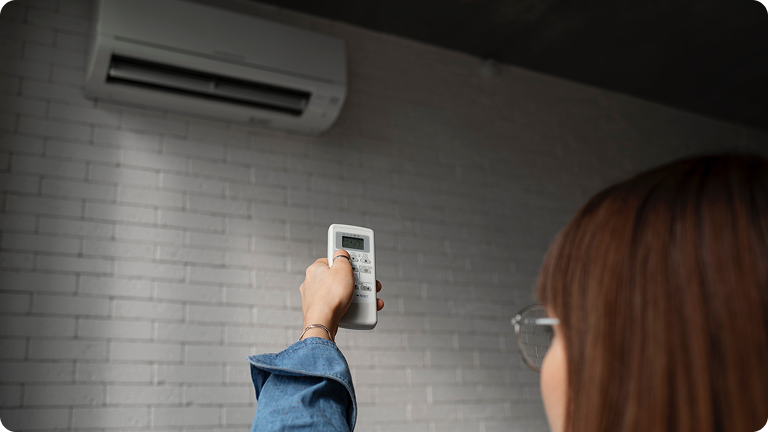

Your Trusted Local AC Experts
When the summer heat hits, you need an air conditioning system you can rely on. At Jim's Air Systems, we specialize in keeping your home cool and comfortable. Whether you need an emergency repair, a seasonal tune-up, or a brand new high-efficiency air conditioner, our family is here to help.
Our Air Conditioning Services include

AC Repair
We service all makes and models, quickly diagnosing and fixing any issue.
AC Installation & Replacement
Get a perfectly sized, high-efficiency system with our owner-led design and installation process.
AC Maintenance
Prevent breakdowns and improve efficiency with our comprehensive AC tune-ups.
Signs You Needs AC Service
.svg)
Ready for a Cooler, More Comfortable Home?
Whether you need an emergency repair or a free estimate on a new, energy-efficient air conditioner, our family is ready to provide honest advice and expert service. Contact us today!