Is Your Furnace Not Keeping Up with the Cold?
When your home starts feeling chilly despite the furnace running, it's a sign of trouble that requires immediate professional attention. Don't let furnace issues leave you in the cold this winter; contact us to discuss financing options or schedule a service visit today. In Hayward, where the damp winter chill can set in quickly, a malfunctioning heating system disrupts your daily routine and compromises your comfort. Jims Air Systems understands that restoring heat is a priority, not just a convenience.
- Get a quick diagnosis and repair from our certified technicians.
- 24/7 emergency services to ensure your comfort day and night.
- Flexible financing options to ease the stress of unexpected repairs.
All repairs are backed with a warranty for your peace of mind. We focus on diagnosing the root cause of the failure, whether it is an electrical fault, a gas supply issue, or a mechanical breakdown, ensuring that the fix lasts for the long term.
Quick Fixes for Common Furnace Problems
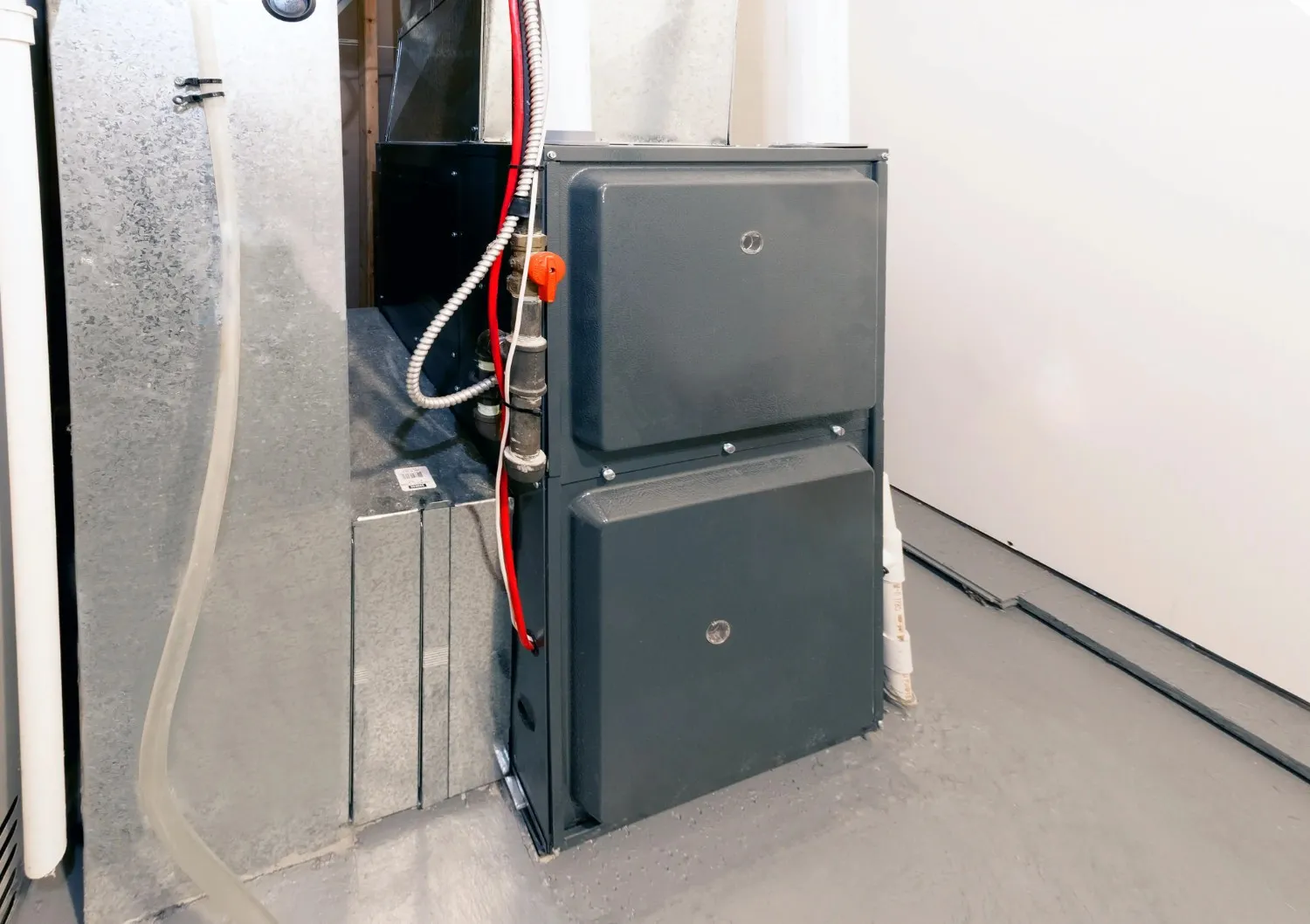
Before a technician arrives, homeowners often want to know if the issue is a simple oversight or a catastrophic failure. While modern heating systems are complex, specific symptoms often point to identifiable issues. Understanding these can help you communicate better with your service provider or potentially resolve minor airflow obstructions yourself. However, anything involving gas lines, electrical wiring, or internal mechanical components must be handled by a professional to ensure safety and code compliance.
Thermostat Inconsistencies
Sometimes the issue originates in the control center, not the basement. If the thermostat is battery-operated, weak batteries can cause the relay signals to fail, preventing the furnace from firing. Additionally, if the settings were accidentally switched to "Fan On" rather than "Auto," the system will blow cool air even when the burners are off. Ensuring the thermostat is set to "Heat" and the temperature is set at least five degrees above the current room temperature is the first step in troubleshooting.
Restricted Airflow and Dirty Filters
A furnace breathes in air to heat it. If the intake is choked by a clogged filter, the heat exchanger can overheat. Modern furnaces have safety limit switches that detect this overheating and shut the burners down to prevent fire hazards. If your unit cycles on and off rapidly—known as short cycling—a dirty filter is often the culprit. Replacing a black or gray filter with a fresh one can sometimes restore normal operation immediately.
Pilot Light and Ignition Failures
Older furnaces utilize a standing pilot light, while newer high-efficiency models use electronic ignition or hot surface ignitors. If a pilot light refuses to stay lit, the thermocouple may be faulty or coated in carbon buildup. For electronic systems, a failure to ignite often indicates a cracked ignitor or a dirty flame sensor. These components prevent the gas valve from opening as a safety precaution, ensuring gas does not accumulate without a flame present.
Noisy Operation
Furnaces should run relatively quietly. If you hear banging, scraping, or squealing, these are mechanical distress signals. A squealing noise usually indicates a slipped or worn blower belt. A scraping sound often means the blower wheel has come loose and is hitting the housing. Banging or "booming" upon ignition suggests delayed ignition, where gas builds up before the flame catches, creating a mini-explosion. This requires immediate professional repair to prevent damage to the heat exchanger.
Comprehensive Service Today—What’s Included
When you book a professional repair, the goal is not just to swap a part but to ensure the entire heating ecosystem is operating safely and efficiently. A segmented approach ensures that no component is overlooked. Service visits are comprehensive, covering the immediate repair and a check of surrounding systems to prevent call-backs or future failures in the middle of winter.
Detailed Safety Inspection
The most critical aspect of furnace repair is safety. Technicians inspect the heat exchanger for cracks. A cracked heat exchanger can leak carbon monoxide into the living space, a silent and deadly hazard. We also test for gas leaks around the shut-off valve and internal gas/air mixtures to ensure combustion is clean and contained.
Electrical and Control Circuit Analysis
Modern furnaces are driven by circuit boards and sensors. We test the voltage and amperage draw of the blower motor to ensure it isn't straining. We also verify the sequence of operation: the thermostat signals the board, the draft inducer fan starts, the pressure switch proves airflow, the ignitor glows, and the gas valve opens. Identifying exactly where this sequence stops allows for precise repairs.
Combustion Tuning
Simply burning gas isn't enough; it must burn efficiently. Technicians check the burner flames. They should be blue and steady. Yellow or flickering flames indicate incomplete combustion, often caused by dirty burners or improper gas pressure. We clean the burner assembly and the flame sensor to ensure the system detects heat correctly and keeps the gas valve open during the cycle.
Airflow and Blower Optimization
The blower motor pushes the heat through your ductwork. If this motor is dirty, it runs hot and fails prematurely. Service includes inspecting the blower wheel for dust buildup, which acts like weights on a tire, throwing it off balance. We also check the capacitor, a small component that gives the motor the torque to start. A weak capacitor is a common, inexpensive part that, if left unchecked, leads to expensive motor failure.
Your Furnace Repair Process, Step by Step
Understanding the workflow of a service call helps homeowners prepare and reduces the anxiety associated with home repairs. We believe in transparency from the moment you pick up the phone until the heat is fully restored. There are no hidden steps; just a logical progression toward a warm home.
The Initial Assessment and Dispatch
The process begins with your call. Dispatchers gather critical information regarding the make and model of your unit and the specific symptoms you are experiencing. This allows Jims Air Systems to send a technician equipped with the most likely necessary parts. You receive a notification when the technician is en route to your Hayward home, minimizing the time you spend waiting.
On-Site Diagnostics and Troubleshooting
Upon arrival, the technician respects your property by wearing shoe covers and using drop cloths. They proceed to the furnace location to perform a diagnostic series. This involves using multi-meters to test electrical continuity, manometers to measure gas pressure, and visual inspections of the mechanical linkage. This phase is purely about data gathering to provide an accurate picture of the failure.
Clear Explanations and Upfront Quoting
Once the problem is isolated, the technician explains the issue in plain English, avoiding jargon. You are presented with repair options. For example, if a blower motor is dead, you might be given the option of an OEM replacement or a universal motor if compatible. You receive a flat-rate price for the repair, meaning the cost does not change regardless of how long the physical work takes. No work begins without your explicit approval.
Execution of Repairs and Testing
The technician performs the approved repairs using industrial-grade tools and parts. After the new component is installed, the job isn't done. The system is run through a full heating cycle to verify that the repair held, that the airflow is correct, and that the thermostat is satisfying the temperature setting. We double-check safety limits and ensure no gas leaks were created during the manipulation of the unit.
Cleanup and Final Walkthrough
The workspace is returned to its original condition. Old parts are removed from your premises unless you request to keep them. Finally, the technician walks you through what was done, provides maintenance tips to prevent recurrence, and processes the payment and warranty documentation on the spot.
Deciding Between Repair and Replacement
One of the most difficult decisions a homeowner faces is determining when a furnace has reached the end of its viable life. Pouring money into an aging system can sometimes be less economical than investing in a modern, high-efficiency unit. We help you navigate this decision using industry-standard metrics and logical cost-benefit analysis.
The 50% Rule
A general guideline in the HVAC industry is the 50% rule. If the cost of the repair approaches 50% of the cost of a new furnace, replacement is usually the wiser financial choice. This is especially true if the unit is out of warranty. Spending $1,500 to fix a system worth $3,000 implies that you are heavily investing in a depreciating asset that may fail again soon.
Age and Frequency of Repairs
The average lifespan of a gas furnace is between 15 and 20 years. If your furnace is over 15 years old and requires a significant repair, parts availability becomes a concern, and efficiency has likely degraded significantly. If you have called for repairs more than twice in the last two years, the system is signaling that its internal components are wearing out collectively. "Nickel and diming" repairs often exceed the monthly cost of financing a new unit.
Efficiency and Utility Bills
Older furnaces in Hayward homes often operate at 60% to 70% AFUE (Annual Fuel Utilization Efficiency). This means 30 to 40 cents of every dollar you spend on gas goes up the flue pipe. Modern units operate at 95% efficiency or higher. If your utility bills have been climbing despite consistent usage, upgrading can result in monthly savings that help offset the cost of the new installation.
Comfort and Safety Concerns
If the furnace has a cracked heat exchanger, repair is rarely an option due to safety liabilities; replacement is mandatory. Furthermore, if your current furnace fails to heat the home evenly, leaving some rooms cold while others are hot, a repair will not fix the underlying design or sizing issue. A replacement allows for a system that is properly sized for your specific square footage and insulation levels.
Hayward-Specific Permits and Seasonal Tips
Operating a furnace in the Bay Area comes with specific regional considerations. While we don't have the sub-zero temperatures of the Midwest, our specific climate and regulatory environment dictate how heating systems should be maintained and repaired.
Navigating Local Permits
In Hayward, major repairs involving gas line alterations or full system replacements usually require a permit from the local building department. This ensures that the work meets current safety codes, particularly regarding seismic bracing and gas pipe sizing. Professional technicians handle the permitting process, ensuring that your home remains compliant with city regulations and that your insurance coverage is not jeopardized by unpermitted work.
Dealing with Mediterranean Humidity
Our climate is characterized by rainy, damp winters. This moisture can be detrimental to furnaces located in unconditioned spaces like garages or crawl spaces. Excess humidity can accelerate rust on the burners and the heat exchanger. It can also cause corrosion on electrical contacts. We recommend annual inspections in early autumn, before the heavy rains begin in November, to ensure that moisture hasn't compromised the ignition system.
PG&E Coordination
As PG&E is the primary utility provider, ensuring your gas pressure matches their delivery specifications is vital. Fluctuations in line pressure can cause furnace lockouts. Qualified repair services ensure your gas valve is calibrated to handle the specific inlet pressure provided to your neighborhood, ensuring efficient combustion and preventing soot buildup.
Why Choose Us? Experience and Reliability in Hayward
When your heat goes out, you need a partner who combines technical expertise with local reliability. We focus on delivering results that restore your home’s comfort without unnecessary upselling or delays. Our team is deeply familiar with the housing stock in Hayward, from the historic bungalows to the newer developments in the hills, allowing us to anticipate the specific heating challenges your home may face.
Certified and Insured Professionals
Every technician is fully licensed and insured, protecting you from liability. We invest heavily in ongoing training to keep our staff updated on the latest furnace technologies and local building codes.
Stocked Trucks for Faster Resolution
We understand that waiting for parts means waiting in the cold. Our service vehicles are stocked with the most common universal parts, including ignitors, capacitors, control boards, and pressure switches. This inventory strategy allows us to complete a high percentage of repairs on the very first visit.
Transparent Warranties
We stand behind our craftsmanship. Every repair comes with a clear warranty on both parts and labor. If the specific part we replaced fails within the warranty period, we replace it at no cost to you.
Don’t Risk a Cold Home: Schedule Expert Furnace Repair Today
Your comfort and safety are too important to leave to chance. If your furnace is making strange noises, cycling frequently, or simply failing to provide heat, do not wait for the problem to escalate. Secure your appointment with Jims Air Systems now and ensure your home stays warm throughout the season.
Contact Us Today for Expert Furnace Repair

Your Trusted Local AC Experts
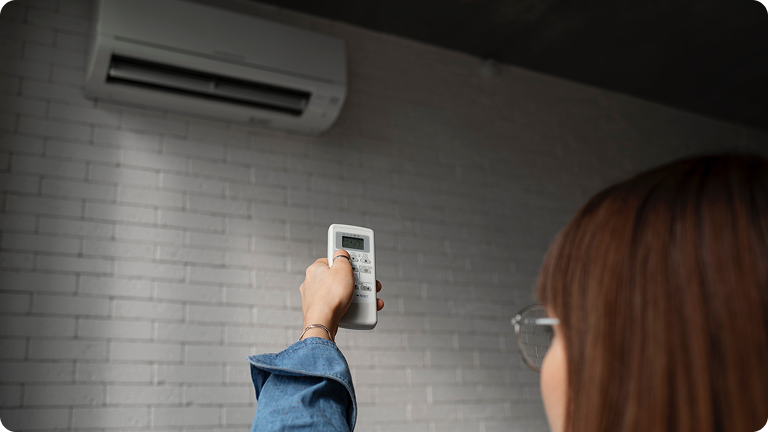
When the summer heat hits, you need an air conditioning system you can rely on. At Jim's Air Systems, we specialize in keeping your home cool and comfortable. Whether you need an emergency repair, a seasonal tune-up, or a brand new high-efficiency air conditioner, our family is here to help.
Our Air Conditioning Services include

AC Repair
We service all makes and models, quickly diagnosing and fixing any issue.
AC Installation & Replacement
Get a perfectly sized, high-efficiency system with our owner-led design and installation process.
AC Maintenance
Prevent breakdowns and improve efficiency with our comprehensive AC tune-ups.
Signs You Needs AC Service
.svg)
Ready for a Cooler, More Comfortable Home?
Whether you need an emergency repair or a free estimate on a new, energy-efficient air conditioner, our family is ready to provide honest advice and expert service. Contact us today!