
Unpredictable Temperature Control Affecting Your Home Comfort?
Facing a sudden breakdown of your heating or air conditioning can immediately disrupt your daily routine and comfort levels. In Hayward, where the climate shifts from damp, chilly winters to warm, dry summers, often complicated by rolling fog, you need an HVAC system that reacts consistently to these changes. When your system fails, waiting days for a technician isn't an option; you need rapid, decisive action to restore your indoor environment. Contact us immediately to schedule a diagnostic visit or inquire about our financing options to get your system back on track.
Jims Air Systems provides the immediate technical expertise required to resolve these interruptions.
- Rapid response teams are available to address your urgent HVAC malfunctions and restore airflow.
- Experienced technicians arrive fully equipped to evaluate and repair your system using high-quality components.
- Clear, upfront assessments ensure you understand the scope of work without hidden fees or surprises.
All services are performed by licensed professionals, backed by warranty options and straightforward financing.
Immediate HVAC Solutions and Diagnostic Scope
When you request service, the priority is identifying the root cause of the inefficiency or failure. A surface-level fix often leads to recurring issues, which is why a comprehensive diagnostic approach is necessary. The goal is to evaluate the entire thermal envelope of the home and the mechanical health of the unit. Service appointments focus on rigorous testing and component analysis to ensure the system can handle the specific load requirements of your property in Hayward.
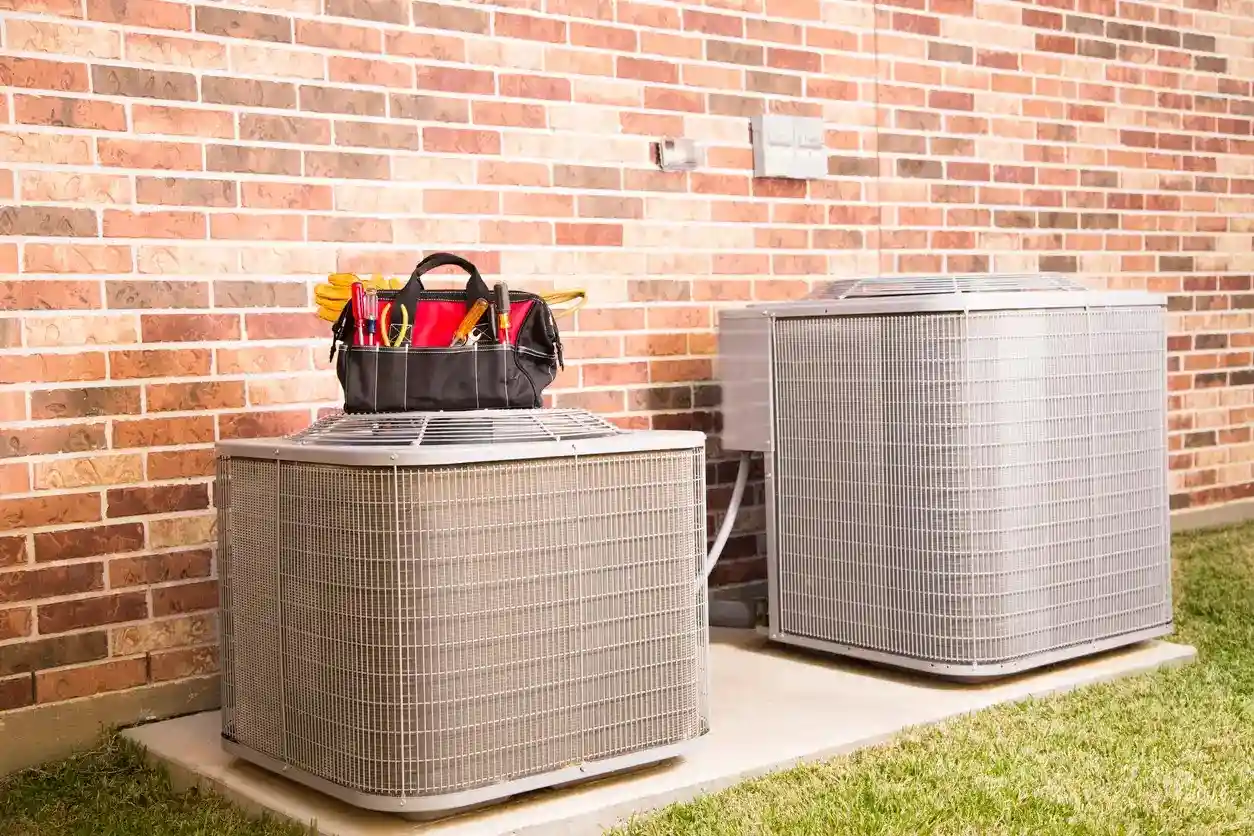
Technicians focus on the following core areas during a service visit:
- Airflow and Static Pressure Analysis: Technicians measure the static pressure within the ductwork to ensure the blower motor is moving the correct volume of air. Restricted airflow is a primary cause of frozen coils in summer and cracked heat exchangers in winter.
- Electrical Component Safety: Loose connections, worn contactors, and failing capacitors can cause intermittent outages or catastrophic compressor failure. Every electrical connection is tightened and tested for voltage drops.
- Refrigerant Charge Verification: For air conditioners and heat pumps, maintaining the correct refrigerant level is critical. Low levels indicate a leak that must be repaired, while overcharging can damage the compressor.
- Combustion Safety Testing: For gas furnaces, ensuring proper venting and combustion is a safety priority. This includes analyzing flue gases for carbon monoxide and checking the integrity of the heat exchanger.
- Thermostat Calibration: Often, the issue lies in the control center. Technicians verify that the thermostat is reading ambient temperatures accurately and communicating correctly with the control board.
This level of detail ensures that when a repair is made, it solves the problem permanently. You receive a detailed report of the findings, allowing you to make an informed decision on how to proceed with the repair.
The Installation and System Replacement Process
There comes a point where a system is beyond the age of efficient repair, or a homeowner chooses to upgrade for better energy management. A proper installation is the single most important factor in the longevity and efficiency of a new HVAC system. Simply swapping out a box without addressing the surrounding infrastructure often leads to premature failure. The installation process is methodical, adhering to manufacturer specifications and local building codes.
The replacement process generally follows this sequence:
- Load Calculation and Sizing: First, a Manual J load calculation is performed. This mathematical calculation determines the exact heating and cooling capacity required for your specific home. It accounts for square footage, window placement, insulation levels, and the local Hayward climate data.
- Ductwork Inspection and Modification: Next, the existing ductwork is evaluated. If the ducts are undersized, leaking, or poorly designed, they will choke the new system. Modifications are made to the plenum and transition points to ensure optimal airflow.
- Safe Removal of Old Equipment: The old unit is disconnected and removed. Refrigerant is recovered safely according to EPA regulations, and old equipment is disposed of responsibly to minimize environmental impact.
- Equipment Setting and Connection: The new furnace, air handler, or condenser is set in place. For outdoor units, a level pad is ensured to prevent vibration and noise. Copper refrigerant lines are brazed with nitrogen to prevent oxidation, and electrical whips are connected.
- Commissioning and Testing: Finally, the system is not just turned on; it is commissioned. This involves adjusting blower speeds, setting gas manifold pressure, and verifying temperature splits (the difference between air entering and leaving the system).
- User Walkthrough: You are shown how to operate the new thermostat, how to change filters, and what maintenance schedule is required to keep the warranty valid.
Determining When to Repair vs. Replace
Homeowners often struggle with the decision of whether to invest in a repair or commit to a full system replacement. This decision should be based on data and financial logic rather than guesswork. BOFU (Bottom of the Funnel) customers need to know which path offers the best return on investment.
Consider the following factors when making your decision:
- The 50% Rule: If the cost of the repair approaches 50% of the value of the system (or the cost of a new one), replacement is usually the smarter financial move. Investing heavy capital into a degrading asset yields diminishing returns.
- Age of the Unit: Most air conditioners and heat pumps have a lifespan of 10–15 years, while furnaces may last 15–20. If your system is nearing the end of this window, a major repair is essentially a temporary patch on a dying system.
- Frequency of Breakdowns: If you have required service more than twice in the last two years, the system has become unreliable. The cumulative cost of service calls often outweighs the monthly cost of financing a new, high-efficiency unit.
- Energy Efficiency Ratios: Older units often operate at 8–10 SEER (Seasonal Energy Efficiency Ratio), whereas modern standards require 14 SEER or higher. Upgrading can result in significant monthly utility savings, which helps offset the installation cost over time.
- Safety Concerns: Specifically for gas furnaces, any crack in the heat exchanger acts as a strict "replace immediately" signal due to the risk of carbon monoxide poisoning. This is non-negotiable for household safety.
Jims Air Systems helps you weigh these factors by providing clear quotes for both repair and replacement, allowing you to choose the path that fits your budget and long-term plans.
Critical Local Considerations for HVAC
Operating heating and cooling equipment in Hayward requires specific attention to local environmental factors and regulations. The region's unique microclimate and municipal codes influence how systems are installed and maintained. Ignoring these local variables can lead to failed inspections or equipment that rots prematurely.
Climate and Environmental Impact
The proximity to the San Francisco Bay means that equipment is frequently exposed to marine layer fog and higher humidity levels than inland areas.
- Corrosion Protection: Outdoor condenser units are susceptible to accelerated corrosion. It is vital to check the condition of condenser coils and ensure the unit’s finish is intact to prevent rust from compromising the structural integrity.
- Dehumidification Needs: While summers are generally dry, the transition seasons can bring moisture. Systems must be sized correctly to run long enough cycles to remove humidity; an oversized unit will cool the air too quickly without dehumidifying, leading to a clammy indoor feel.
- Drainage Management: During the wet winter months, condensate drains and furnace flues must be checked to prevent water backup, which can damage internal electronics and cause mold growth in the system.
Permitting and Title 24 Compliance
Any significant alteration to an HVAC system, including the replacement of a furnace or AC unit, requires a building permit from the City of Hayward Building Division.
- Duct Testing: California’s Title 24 energy standards often require duct leakage testing (HERS rating) when a new unit is installed or substantial ductwork is replaced. This ensures that conditioned air is not leaking into attics or crawlspaces.
- Thermostat Requirements: Regulations may mandate the installation of programmable or smart thermostats to improve overall grid efficiency.
- Refrigerant Phase-Outs: Older systems running on R-22 refrigerant are becoming obsolete due to federal regulations. Repairs involving refrigerant for these units are becoming prohibitively expensive, pushing the market toward R-410A and newer, eco-friendly alternatives.
Why Professional Management Matters
Choosing a service provider involves looking for technical competence and operational stability. The HVAC industry is technical; incorrect wiring or poor brazing can lead to system failure weeks or months after the technician leaves. Professional management ensures that every variable—from static pressure to voltage drops—is accounted for.
Technical Competence and Training
Modern HVAC equipment involves complex circuit boards, variable-speed motors, and proprietary communication protocols. Technicians must undergo continuous training to stay current with these technologies. A professional provider ensures that the person working on your home understands the specific sequence of operations for your brand and model of equipment.
Accountability and Warranties
A legitimate service provider stands behind their work. This goes beyond the manufacturer's warranty on parts. It includes labor warranties that cover the workmanship of the installation or repair. If a fitting leaks or a wire comes loose shortly after service, professional providers return to correct the issue without additional charge. This accountability provides peace of mind that the job is done right the first time.
Safety and Liability
HVAC work involves high-voltage electricity, natural gas, and high-pressure refrigerants. Licensed contractors carry the necessary insurance and bonding to protect your property. Attempting DIY repairs or hiring unlicensed handymen exposes homeowners to significant liability and safety risks, including fire hazards and gas leaks.
Secure Your Indoor Comfort: Contact Us Now
Your home’s heating and cooling system is the engine of your daily comfort. Whether you are dealing with a furnace that blows cold air, an air conditioner that freezes over, or simply an old system that drives up utility bills, the solution lies in professional intervention. Delaying service often results in more extensive damage to the compressor or heat exchanger.
Take control of your indoor climate today. Ensure your system is operating safely, efficiently, and reliably.
Contact Jims Air Systems today to schedule your service or consultation.
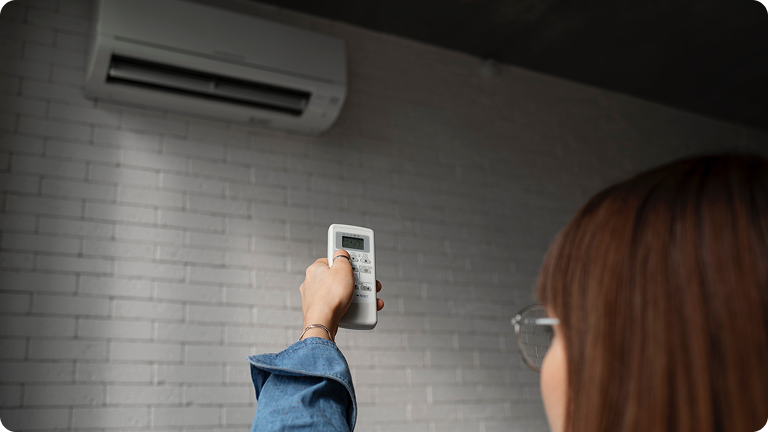

Your Trusted Local AC Experts
When the summer heat hits, you need an air conditioning system you can rely on. At Jim's Air Systems, we specialize in keeping your home cool and comfortable. Whether you need an emergency repair, a seasonal tune-up, or a brand new high-efficiency air conditioner, our family is here to help.
Our Air Conditioning Services include

AC Repair
We service all makes and models, quickly diagnosing and fixing any issue.
AC Installation & Replacement
Get a perfectly sized, high-efficiency system with our owner-led design and installation process.
AC Maintenance
Prevent breakdowns and improve efficiency with our comprehensive AC tune-ups.
Signs You Needs AC Service
.svg)

Frequently Asked Questions

We recommend having your air conditioning system professionally serviced once a year, ideally in the spring, to ensure it's ready for the summer heat.
Yes! Jim’s Air Systems is a family-owned and operated business. We take pride in delivering honest, reliable service and treating our customers like family, with a strong focus on quality workmanship and long-term relationships.
A trained, licensed HVAC professional from Jim’s Air Systems will visit your home for the estimate. Our technician will assess your needs, answer your questions, and provide a clear, upfront estimate with no pressure or hidden fees.
Ready for a Cooler, More Comfortable Home?
Whether you need an emergency repair or a free estimate on a new, energy-efficient air conditioner, our family is ready to provide honest advice and expert service. Contact us today!